The allure of Marriott Bonvoy’s Ambassador Elite status lies in its exclusivity. Requiring a minimum of 100 qualifying nights and $23,000 in annual spend, this top-tier status is the only one in Marriott’s loyalty program with a monetary requirement. But once achieved, what tangible value does it actually offer beyond Titanium Elite? Let’s break down the nuanced layers of this premium tier and assess if it truly justifies the effort—and expense.
The Personal Ambassador Advantage: Concierge or Cosmetic?
At the heart of the Ambassador Elite tier is a key differentiator: a personalized Ambassador service. Unlike lower tiers that rely on general customer support, Ambassador members are paired with a dedicated point of contact who assists with booking, resolving stay-related issues, and tailoring hotel experiences. In this case, the assigned Ambassador—Mike—sets the gold standard. Attentive, proactive, and responsive, Mike embodies what the program advertises: a trusted concierge-like figure who enhances loyalty through seamless service.

However, it’s crucial to understand the scope of this role. The Ambassador isn’t stationed on-property but operates remotely. Their capacity is bound by Marriott’s broader infrastructure, meaning real-time, on-site hospitality still depends heavily on the individual hotel teams. In practice, Mike may send welcome notes or expedite issue resolution, but he can’t force a hotel to upgrade a room or deliver a bottle of champagne.
Welcome Amenities: A Token of Appreciation or Mere Formality?
One of the more noticeable perks is the increase in welcome amenities, even at limited-service properties. While luxury hotels tend to provide these by default, Ambassador status seems to subtly nudge even modest hotels to acknowledge elite presence with extra gestures—ranging from handwritten notes to snacks and drinks.
That said, the quality of these amenities varies wildly. A bag of trail mix or a bottle of water, though appreciated, doesn’t scream ultra-premium. These are gestures of recognition rather than true differentiators. Still, receiving these tokens consistently across global stays can foster a deeper emotional connection with the brand, which is precisely what loyalty programs aim for.
The U.S. Conundrum: Prestige Meets Apathy
Marriott’s elite recognition in the United States remains the Achilles’ heel of the Ambassador experience. Despite the theoretical perks, including room upgrades, early check-in, late check-out, and welcome gifts, the execution is often perfunctory. Hotel staff may offer verbal acknowledgments of status, but actionable benefits rarely follow.

The upgrade experience is especially lackluster—frequently a move from a parking lot view to a marginally better room, rather than to a suite or premium category. While top-tier upgrades are sometimes granted—such as at the St. Regis Longboat Key, a standout performer—they are exceptions rather than the norm. The prevailing sentiment? Many U.S. Marriott properties treat Ambassador elites no differently than Titanium guests.
International Hospitality: A Glimmer of Distinction
As seasoned travelers often attest, elite status becomes more meaningful the farther one ventures from the U.S. The same is true here. Properties across Asia, Europe, and the Middle East tend to exhibit greater deference toward elite guests. Staff at international locations frequently extend more generous upgrades, personalized welcomes, and anticipatory service.
However, in practice, Ambassador members still rarely see upgrades that feel uniquely tailored to their status. Junior suites or executive rooms are common, but substantial suite upgrades remain elusive unless using Nightly Upgrade Awards, which do not prioritize Ambassador guests over Titanium ones.
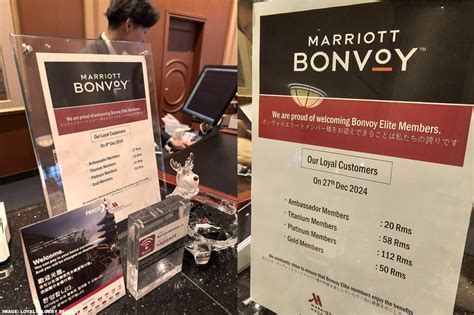
In essence, while international properties may make a stronger effort, the benefits often parallel those available at the Titanium level. The distinction lies more in attitude and hospitality ethos than in concrete deliverables.
Your24: A Flexible Yet Fragile Benefit
One of the few published, tier-exclusive benefits is Your24, a feature that allows members to check in at any time and stay for a full 24 hours. This can be incredibly valuable for red-eye arrivals or late-night departures, offering hotel room access precisely when needed.
But there’s a catch: Your24 is subject to hotel approval. In this case, the benefit was honored once, at the Courtyard Paris Charles de Gaulle Airport, though the property was not full. Thus, while it provided peace of mind, it’s unclear whether the status or availability was the deciding factor.
The sporadic enforcement of Your24 further illustrates a recurring theme: the effectiveness of Ambassador status hinges less on the program itself and more on the individual property’s policies and discretion.
The Unquantifiable Benefit: Emotional Loyalty
A key aspect of top-tier loyalty programs is often overlooked: the emotional payoff. For those with a consistent travel rhythm, there’s comfort in being recognized, remembered, and prioritized. Having a responsive Ambassador like Mike, small touches like thank-you notes, and being treated with warmth abroad contribute to a sense of belonging.
This emotional resonance might be the most valuable component of Ambassador Elite. But for it to matter, travelers must already be embedded in the Marriott ecosystem—frequent guests who organically hit the $23K threshold. Chasing the status outright rarely offers enough ROI to justify the cost.
Final Verdict: A Premium Status with Incremental Perks
Ambassador Elite status, at its core, offers a polished but restrained experience. While the personal Ambassador service, welcome amenities, and Your24 program add layers of value, their impact is uneven. The real-world distinction between Ambassador and Titanium is often blurred, particularly in U.S. hotels where upgrades and service culture fail to meet expectations.
Internationally, the status finds stronger footing, bolstered by more consistent recognition and heartfelt hospitality. Yet even then, the upgrades and perks don’t radically differ from those extended to Titanium members.
So, who should aim for Ambassador? If you’re already traveling enough to organically reach the $23K spend requirement, the status brings meaningful (if modest) enhancements. But for aspirational travelers thinking of making large financial commitments to hit this tier, the payoff may feel underwhelming.
In the end, Ambassador Elite is a refined expression of loyalty, not a transformative travel game-changer. It’s best viewed as a soft luxury—a smoother journey within Marriott’s world, rather than a leap into a different class of experience.