Luxury travel across the Asia Pacific region is undergoing a transformational shift, fundamentally changing how high-net-worth individuals perceive and engage with travel. A recent study by Marriott International, titled The Intentional Traveler, surveyed 1,750 affluent travelers from key countries including Australia, Singapore, India, Indonesia, South Korea, Japan, and Thailand. The findings indicate a departure from traditional notions of luxury, characterized by opulence and excess, toward experiences that prioritize emotional well-being, personalization, and deep cultural engagement.
This emerging trend signifies a new mindset among the region’s wealthiest travelers. It emphasizes the importance of meaningful connections and long-term fulfillment, which are now valued more than extravagant accommodations or overly ambitious itineraries. Travelers are increasingly seeking deeper engagement with destinations, focusing on thoughtful planning and experiences that enhance their overall lifestyle and well-being.
Wellness: The Cornerstone of Luxury Travel
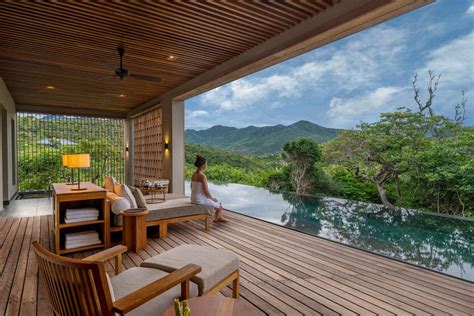
In this evolving landscape, wellness has emerged as a crucial pillar in the decision-making process for luxury travel. According to the report, an astounding 90% of respondents prioritize wellness offerings when choosing their travel destinations. However, the definition of wellness has expanded beyond the traditional spa treatments and massages. Today’s affluent travelers are looking for holistic healing experiences, which include:
- Forest immersion
- Mindfulness retreats
- Nutritional consultations
- Sound therapy
- Sleep optimization programs
Asia has positioned itself as a leading destination for wellness travel, with 67% of respondents favoring this region for health-focused journeys. Additionally, 26% of these affluent travelers are planning trips specifically centered around wellness or spa retreats, highlighting the increasing demand for experiences that rejuvenate both body and soul.
Spending Patterns Reflect Shifts in Values
The trend towards intentional travel is also evident in the spending habits of high-net-worth individuals. A remarkable 72% of respondents indicated they plan to increase their expenditure on luxury travel. Countries like Australia (85%), Indonesia (81%), and Singapore (80%) are leading this surge in premium travel investments. Rather than cramming multiple destinations into a single trip, travelers are now opting for fewer journeys but investing more time and resources in each experience.
This shift is reflected in the average duration of trips. Short getaways now average four nights, while long vacations are being meticulously planned months, or even up to a year, in advance. This change underscores a collective desire for quality over quantity, as travelers seek deliberate, high-value experiences that resonate with their personal values.
Balancing Nostalgia with Discovery
While many affluent travelers still cherish familiar destinations—93% express a preference for returning to places they love—there is a growing interest in exploring lesser-known luxury spots. Countries such as Bangladesh, New Zealand, and Cambodia are gaining popularity, appealing to those seeking cultural authenticity, unique landscapes, and regional accessibility. These emerging destinations not only capture attention for their novelty but also promise rich, locally grounded experiences that feel meaningful and less commercialized.
Nature and Gastronomy: Essential Elements of Luxury Travel
Beyond wellness, nature and gastronomy have become critical components of luxury travel itineraries. An impressive 92% of high-net-worth individuals now prioritize access to natural settings when planning their trips. This burgeoning interest in the outdoors has fueled a rise in countryside escapes and wildlife safaris. The report reveals that 28% of travelers are planning rural getaways, a significant increase from 19% the previous year, while 30% intend to embark on safari adventures.
Food also plays a pivotal role in luxury travel decisions. Culinary experiences have evolved beyond fine dining; they now encompass farm-to-table excursions, food heritage tours, and immersive cooking experiences that connect travelers with local traditions. This gastronomic engagement enhances the overall travel experience, fostering a deeper connection to the destinations visited.
Family Travel: The Emphasis on Personalization
Among various travel categories, family travel stands out as the area where emotional and financial investments are most pronounced. Approximately 47% of wealthy travelers indicate a willingness to splurge on vacations with their immediate family. These journeys are designed to promote quality time, multigenerational bonding, and shared discovery, making personalization the cornerstone of these experiences.
A staggering 93% of surveyed travelers expect their trips to be tailored to their individual interests and preferences. Furthermore, 62% prefer to take charge of planning every detail themselves, often doing so months ahead of time. This need for control, clarity, and authenticity reflects a broader desire for personalized experiences that align with their values and lifestyle choices.
Conclusion: The Future of Luxury Travel in Asia Pacific
The evolution of luxury travel in Asia Pacific represents a conscious pursuit that transcends traditional definitions of extravagance. Today’s affluent travelers yearn for experiences that resonate on a deeper level, contribute positively to their well-being, and create lasting memories. Whether it’s a wellness retreat in the mountains of Thailand, a culinary adventure through Japan, or a family safari in Cambodia, the essence of luxury is undergoing a profound redefinition.
For travel and hospitality brands, this transformative shift presents both challenges and opportunities. To meet the rising expectations of high-net-worth travelers, brands must focus on delivering highly personalized, culturally rich, and emotionally fulfilling offerings. Ultimately, the future of luxury travel in Asia Pacific lies not in mere indulgence but in purpose, intention, and genuine connection.