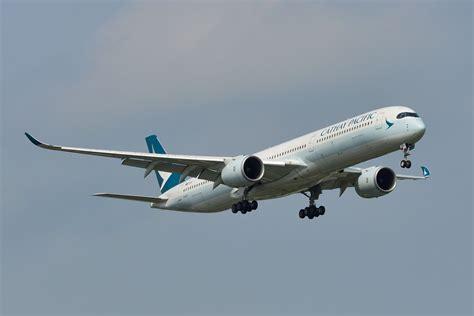
The landscape of trans-Pacific travel is undergoing a seismic shift as Cathay Pacific joins forces with American Airlines, United Airlines, EVA Air, Japan Airlines, and Korean Air to launch or expand service to Dallas–Fort Worth (DFW). This coordinated push marks the emergence of a new corridor designed to meet surging demand from Chinese tourists, business travelers, and cargo operators. With Hong Kong–Dallas flights beginning as four weekly Airbus A350 rotations in April 2025 and scaling to daily nonstop service from October 27, 2025, Cathay Pacific is doubling its capacity from 4,000 to over 9,000 seats per month, solidifying DFW as its eighth North American destination alongside New York, Los Angeles, San Francisco, Boston, Vancouver, and Toronto.
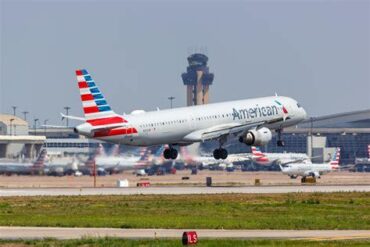
Dallas–Fort Worth Airport is more than a regional hub—it’s a global gateway. Home to American Airlines and offering nearly 200 domestic connections, DFW enables seamless onward travel across the United States, Mexico, and the Caribbean via the oneworld alliance. For Asia–U.S. travelers, this translates into single-ticket itineraries, shorter layovers, and simplified baggage transfers that transform a long-haul journey into a series of well-connected segments. As ticketing systems populate with new Dallas departures and arrivals, travelers weigh factors like jet-lag mitigation, cabin comfort, and value—a competitive dynamic fueling innovation across each carrier’s product.
The timing of these route launches couldn’t be more strategic. Chinese outbound tourism is rebounding strongly post-pandemic, and corporate flight volumes are climbing alongside trade between Hong Kong and Dallas, both of which rank among the world’s top financial and commercial centers. Airlines are betting on this synergy: leisure travelers seeking cultural exchange and authentic experiences in America’s southern states, and business clients requiring efficient service that aligns with quarterly cycles and major industry events.
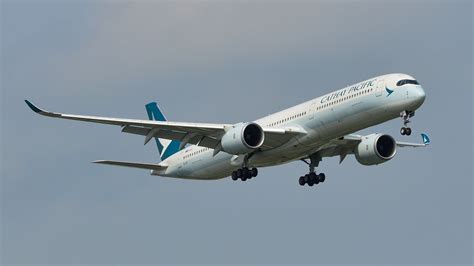
Cathay Pacific’s Strategic Leap to Dallas–Fort Worth
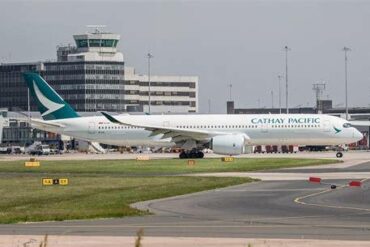
Cathay Pacific’s decision to scale its Hong Kong (HKG)–Dallas–Fort Worth (DFW) service from four weekly rotations to daily nonstop flights represents a bold statement of intent. Deploying its modern Airbus A350-1000 fleet (with select A350-900 rotations), the airline enhances fuel efficiency, reduces carbon emissions, and elevates passenger comfort through quieter cabins, advanced climate control, and panoramic windows. The winter schedule optimizes connectivity: CX898 departs HKG at 16:05, arriving DFW at 17:55 local time, while CX897 departs DFW at 23:55, touching down in HKG at 05:05 two days later. These timings maximize onward connections to major Asian markets such as Thailand, India, the Philippines, and Vietnam, as well as American Airlines’ vast domestic network from DFW.
Beyond passenger service, the route underpins Cathay Pacific’s cargo ambitions. Dallas is a pivotal freight hub, and the airline’s freighter operations now account for nearly 40 weekly flights to North America. By aligning bellyhold and dedicated freighter capacity, Cathay leverages DFW’s strategic location to accelerate cross-Pacific supply chains, benefiting sectors from technology to perishables.
Dallas–Fort Worth: A Premier Global Hub
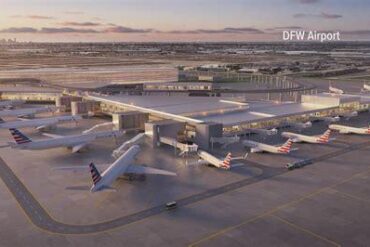
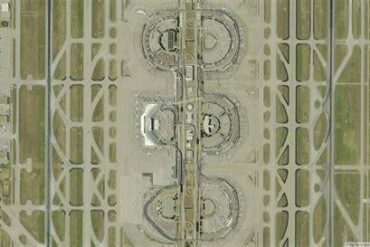
Dallas–Fort Worth International Airport stands out for its unmatched connectivity and infrastructure. As the headquarters of American Airlines, DFW handles upwards of 190 daily departures to domestic destinations including Austin, Atlanta, Orlando, and Omaha, as well as international flights to Mexico and the Caribbean. The airport’s five terminals, linked by the Skylink automated people mover, ensure swift transfers and ample lounge facilities for premium passengers. Oneworld alliance members and partner carriers deliver unified check-in, streamlined loyalty benefits, and reciprocal lounge access—key selling points for discerning travelers seeking consistency and convenience.
DFW’s strategic location in America’s heartland reduces overflight complexities and weather disruptions common on coastal routes. For airlines, this translates into higher schedule reliability, fewer delays, and improved operational resilience. In an era when punctuality and dependability rank as top consumer priorities, these advantages bolster Dallas’s appeal relative to traditional gateways like Los Angeles (LAX) and San Francisco (SFO).
One-Stop Connections from Leading Carriers
While Cathay Pacific remains the sole nonstop operator on HKG–DFW, a broad set of airlines now offer one-stop itineraries through their regional hubs. Each option delivers distinct route flexibility and pricing tiers:
- Japan Airlines routes via Tokyo Narita, leveraging its premium cabin service and extensive Asia–Europe network.
- Korean Air connects through Seoul Incheon, featuring upgraded lounges and an award-winning Delta One–style business suite on select flights.
- EVA Air operates via Taipei Taoyuan with a focus on cargo-integrated passenger services and its popular Premium Economy product.
- China Eastern feeds through Shanghai Pudong, catering to mainland Chinese outbound demand.
- United Airlines and American Airlines offer through-connections in Chicago O’Hare and San Francisco, using partner code-share agreements to extend reach.
- Air Canada provides a North American bridge via Vancouver or Toronto, appealing to travelers combining Asian and Canadian destinations.
- Emirates, Turkish Airlines, STARLUX, T’way Air, and HK Express round out the field, each delivering competitive cabin options, stopover programs, and loyalty benefits.
These one-stop services address an uncertain travel climate by offering redundancy: if disruptions occur on one route, passengers can pivot to alternate carriers or itineraries, minimizing risk for time-sensitive trips.
Meeting Rising Demand for Comfort and Connectivity
As flight durations extend beyond 14 hours, passenger well-being is paramount. Airlines are responding by retrofitting cabins, enhancing seat ergonomics, and expanding in-flight entertainment libraries. Cathay Pacific’s A350 cabins boast tailored lighting schemes that align with natural circadian rhythms, larger overhead bins for personal items, and Wi-Fi connectivity for business travelers. Likewise, connecting carriers have invested in lounge refurbishments, adding private nap rooms, wellness zones, and local culinary partnerships that showcase regional flavors.
Premium Economy and Business Class products have emerged as key differentiators. Wider seats with increased recline, amenity kits curated by luxury brands, and chef-designed menus appeal to travelers seeking respite on long-haul sectors. As ticket price elasticity tightens, these cabins not only boost ancillary revenue but also cultivate loyalty among frequent flyers and corporate accounts.
Post-Pandemic Recovery and Capacity Surge
The Dallas expansion is emblematic of a broader industry rebound. At its pandemic nadir, Cathay Pacific slashed operations by over 90%, sidelining most long-haul routes. Yet by late 2024, the carrier had restored 100% of its pre-COVID capacity and achieved a milestone of 100,000 passengers in a single network-wide day. Now, with 108 weekly return flights to North America by May 2025, Cathay is nearly back to its full trans-Pacific footprint.
Beyond Cathay, industry-wide indicators mirror this momentum. Global air travel demand reached 85% of 2019 levels by mid-2025, driven by Asia–North America traffic. Cargo volumes have likewise rebounded, with e-commerce fueling consistent demand for reliable, time-definite shipments. The Dallas route thus serves as both a barometer and catalyst for future growth, signaling confidence among airlines, airports, and travel stakeholders.
Shaping the Future of Trans-Pacific Travel
Looking forward, the HKG–DFW corridor could become one of the most coveted nonstop routes. As passenger traffic scales, other carriers may contemplate launching their own direct services, intensifying competition and driving further product innovation. Airlines will monitor yield performance, load factors, and cargo yields to inform fleet deployment—potentially unlocking new nonstop sectors between Asia and secondary U.S. markets.
For travelers, the benefits are clear: more choices, greater reliability, and an elevated travel experience spanning cabin comfort to seamless connections. For the industry, Dallas represents a blueprint for hub diversification beyond coastal megacities. As airlines adapt to evolving passenger preferences and global trade patterns, the trans-Pacific map will continue to redraw itself, promising ever-closer ties between East and West.
The race to redefine long-haul travel is well underway, and Dallas–Fort Worth sits squarely at the intersection of ambition and opportunity. Whether you’re a holiday-bound explorer, a boardroom-bound executive, or a logistics planner charting global supply chains, the gateway between Hong Kong and Dallas has never been more compelling.