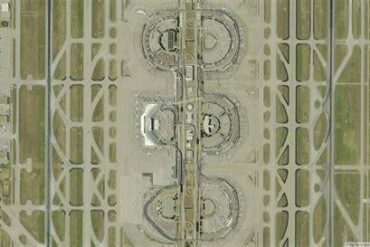
Dallas/Fort Worth International Airport is about to become the center of a major transformation in airline boarding technology. American Airlines, the dominant carrier at the airport, is introducing a large-scale automated boarding gate system, marking the first time such technology will be deployed widely at a major hub in the United States. The rollout will begin this summer and will coincide with the opening of newly expanded piers in Terminal C and Terminal A, bringing a new era of streamlined passenger flow to one of the world’s busiest aviation hubs.
The initiative reflects a broader shift in the airline industry toward digital automation and operational efficiency. While travelers in Europe and Asia have grown accustomed to automated boarding gates, the United States has largely relied on traditional gate agents scanning boarding passes manually. By implementing electronic boarding gates, or eGates, American Airlines is positioning Dallas/Fort Worth as a testing ground for a new boarding model that could eventually spread throughout the country.
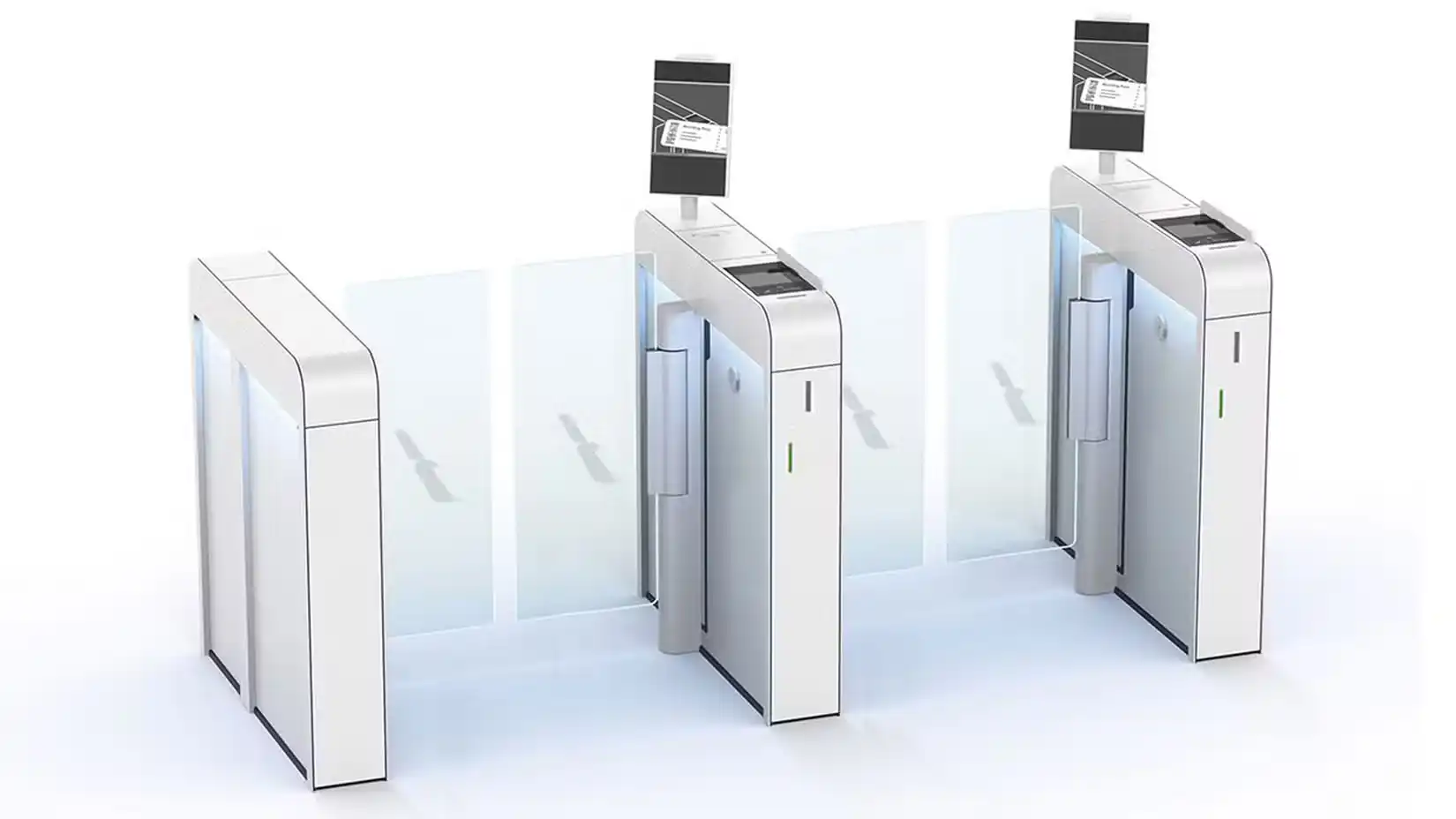
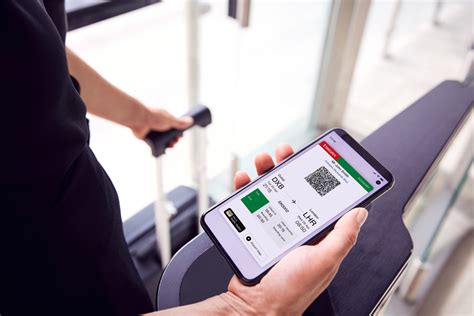
At its core, the system allows passengers to scan their own mobile or printed boarding passes at a gate equipped with digital displays and automated barriers. Once verified, the gate opens and the traveler proceeds directly onto the jet bridge. The process reduces bottlenecks, improves boarding speed, and enables gate staff to focus on more complex customer service tasks.
Automated Boarding Gates Arrive at a Major US Hub
American Airlines plans to install approximately 20 Dormakaba Argus Air XS automated gates at Dallas/Fort Worth International Airport. These sleek systems include touchscreen displays that guide travelers through each step of the process, ensuring the boarding pass is properly scanned and verified before entry.
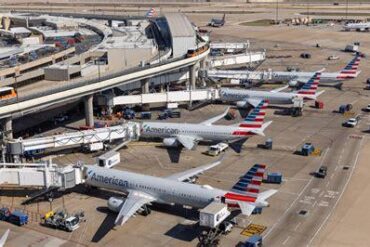
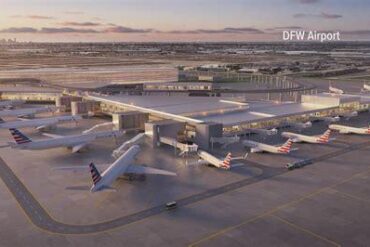
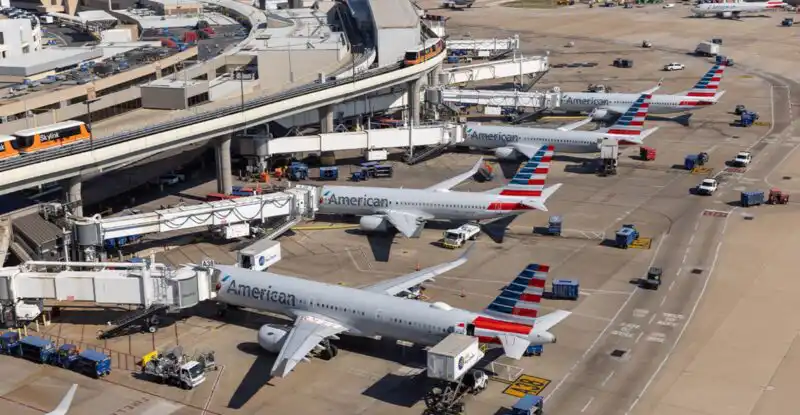
The deployment will begin at the Terminal C Pier Expansion, a newly constructed section designed to handle increased passenger traffic at the airline’s busiest hub. Shortly after the initial launch, the technology will also be installed at Terminal A’s expanded pier, creating a concentrated zone of automated boarding infrastructure.
Dallas/Fort Worth is uniquely suited for such an experiment. American Airlines holds more than 80% market share at the airport, operating as many as 930 departures per day during peak periods. That enormous flight volume makes the airport an ideal location to test whether automated boarding can scale effectively across domestic operations.
The airline expects the technology to significantly improve the final stage of the airport journey. Heather Garboden, American Airlines’ Chief Customer Officer, emphasized the importance of the boarding process as the last interaction travelers have before takeoff. By reducing congestion and simplifying the process, the company hopes to deliver a smoother and more predictable departure experience.
How eGate Boarding Technology Works
Automated boarding gates function similarly to systems used in airport immigration eGates. Passengers approach the barrier, scan their boarding pass on a reader, and receive immediate confirmation through the display. Once validated, the gate opens automatically, allowing entry to the jet bridge.
The technology introduces several operational advantages:
- Self-service boarding that reduces reliance on manual scanning
- Faster passenger throughput during busy boarding periods
- Improved passenger flow control at the gate area
- Reduced congestion in the jet bridge and aircraft aisle
- Enhanced oversight of boarding groups and access permissions
Unlike traditional boarding lanes, where a single agent scans every boarding pass, the automated setup allows multiple passengers to process simultaneously, drastically improving efficiency during peak boarding moments.
A Successful Pilot Program Paved the Way
Before committing to a full rollout, American Airlines conducted a pilot program at Dallas/Fort Worth in November 2025. The trial involved testing the automated gates in a live operational environment, gathering feedback from both passengers and airport staff.
The results proved highly encouraging. Travelers adapted quickly to the new system, and operational teams reported smoother boarding flows compared to conventional procedures. Positive feedback from the trial convinced the airline that expanding the technology across the hub was both practical and beneficial.
The pilot also highlighted how automation can alleviate pressure on frontline airport employees. Gate agents frequently manage multiple responsibilities simultaneously—boarding passengers, assisting travelers with seat changes, handling standby lists, and coordinating with flight crews. By removing the repetitive task of scanning each boarding pass, the eGate system allows staff to focus on problem-solving and customer support.
The airline industry has seen similar staffing pressures in recent years. During security staffing shortages at some airports, airline employees have occasionally stepped in to help manage passenger flow and provide assistance in screening areas. Automation tools like eGates help mitigate those operational strains.
Refining the Boarding Process
The introduction of automated gates builds on several other recent adjustments to American Airlines’ boarding procedures. The carrier has already shifted boarding start times five minutes earlier, giving crews more flexibility to organize passengers before departure.
Another innovation introduced at gates is an audible alert system that activates when a passenger attempts to board before their assigned group is called. This system helps enforce boarding order while minimizing awkward interactions between passengers and gate agents.
When combined with the new automated gates, these measures create a highly structured boarding environment. The airline expects fewer interruptions, better adherence to boarding groups, and a more orderly flow of travelers into the aircraft cabin.
Part of a Larger Digital Innovation Strategy
The automated gate rollout is only one element of American Airlines’ broader push toward digital transformation in airport operations. Over the past few years, the airline has introduced several technology-driven programs designed to simplify the passenger journey.
One major initiative is One Stop Security, which allows international connecting passengers to move between certain flights without repeating the full security screening process. The airline has also integrated its loyalty program with advanced identity verification technologies.
Members of the AAdvantage loyalty program can now access the TSA PreCheck Touchless ID system at select US airports, enabling identity verification through facial recognition rather than traditional document checks. These technologies are gradually reshaping how travelers interact with airport infrastructure.
American Airlines has also made substantial progress in onboard digital services. The company now offers complimentary WiFi connectivity on more aircraft than any other airline, reinforcing its strategy of blending operational efficiency with improved passenger convenience.
A Glimpse Into the Future of US Airport Boarding
Although automated boarding gates have been common in international airports for years, their widespread introduction in the United States has been slow. Regulatory requirements, operational complexity, and the unique structure of domestic airline networks have historically slowed adoption.
The rollout at Dallas/Fort Worth could change that trajectory. If the system delivers the expected benefits—faster boarding times, reduced gate congestion, and improved staff productivity—other American Airlines hubs may soon follow.
For passengers, the transition may require a short adjustment period, particularly for those unfamiliar with self-service boarding technology. Yet the long-term benefits are clear: shorter queues, more predictable boarding, and fewer chaotic moments at crowded departure gates.
As airlines continue to explore automation across ground operations, the new eGate system at Dallas/Fort Worth stands as a landmark step toward the digital airport of the future, where efficiency, technology, and passenger experience intersect seamlessly.