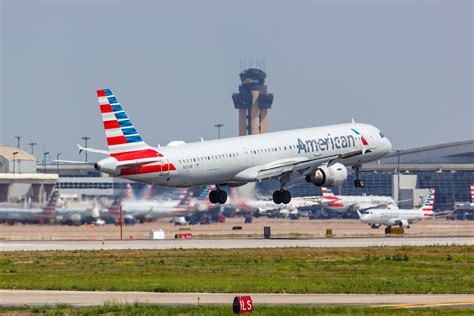
American Airlines has reshaped its global network once again, and the biggest story of 2026 is the return of Dallas/Fort Worth International Airport (DFW) as the carrier’s largest long-haul hub. After several years in which London Heathrow Airport (LHR) held the top position, DFW has reclaimed the crown, highlighting changing passenger demand, network priorities, and the growing strategic importance of Texas in the airline’s worldwide operations.
The shift represents more than a simple ranking change. It reflects how American Airlines is balancing international growth, strengthening its domestic connectivity, and adapting its long-haul strategy around one of the most geographically advantageous hubs in North America.
For years, Heathrow occupied a unique position within American Airlines’ network. Supported by the airline’s deep partnership with British Airways through their transatlantic joint venture, the London gateway generated enormous volumes of long-haul traffic. The relationship allowed both airlines to coordinate schedules, capacity, and revenue on key transatlantic routes, effectively functioning as a unified operation across many markets.
Despite Heathrow’s importance, 2026 marks a significant turning point. American Airlines is now operating more qualifying long-haul departures from DFW than from any other airport in its network, signaling a renewed focus on the airline’s home-market strengths.
After nearly two decades of fluctuating leadership among various hubs, DFW has once again emerged as the airline’s primary long-haul gateway.
A History of Constant Change Among American Airlines’ Long-Haul Hubs
The identity of American Airlines’ largest long-haul airport has changed repeatedly over the past twenty years. Various economic conditions, fleet developments, alliance partnerships, and regional demand patterns have influenced which hub occupied the top position during different periods.
In the mid-2000s, Chicago O’Hare International Airport (ORD) briefly led the airline’s long-haul network. Soon afterward, Heathrow became dominant, particularly during the years surrounding the global financial crisis. As international travel patterns evolved, John F. Kennedy International Airport (JFK) temporarily rose to prominence before Miami International Airport (MIA) emerged as the carrier’s leading long-haul hub between 2013 and 2015.
Miami’s position at the top was driven largely by American Airlines’ extensive South American network. During that period, the airline operated a far larger portfolio of long-haul services to destinations across Latin America than it does today.
Beginning in 2016, Dallas/Fort Worth became the dominant long-haul gateway and maintained that status through 2021. Heathrow then regained leadership between 2022 and 2025. Now, the pendulum has swung back toward Texas.
The repeated shifts demonstrate how dynamic airline network planning can be, particularly for a global carrier operating hundreds of international routes across multiple continents.
Why Dallas/Fort Worth Has Regained the Top Spot
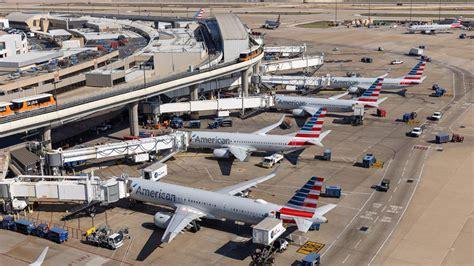
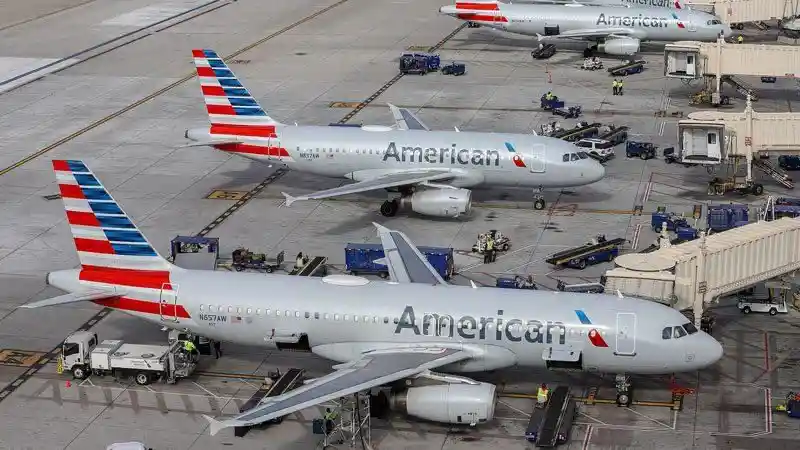
American Airlines plans approximately 2,073 long-haul departures from DFW during the third quarter of 2026, making it the airline’s busiest long-haul airport. On average, the hub will see around 23 outbound long-haul flights every day throughout the peak summer season.
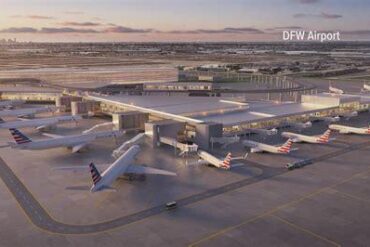
The scale of the operation is remarkable. DFW serves as American’s largest hub overall, connecting passengers from hundreds of domestic markets to international destinations throughout Europe, South America, and beyond. The airport’s central location within the United States allows travelers from both coasts and numerous interior cities to connect efficiently onto long-haul flights.
This advantage becomes especially valuable during summer travel peaks when airlines seek to maximize aircraft utilization and passenger connectivity.
Compared with the same period in 2025, American Airlines has expanded its long-haul operation at DFW by approximately six percent. While that growth may appear modest, it proved sufficient to overtake Heathrow, which experienced a substantial decline in activity.
Several network additions contributed directly to DFW’s resurgence.
New International Routes Fuel Growth
One of the most notable developments was the launch of nonstop service between Dallas/Fort Worth and Athens, a route introduced in May 2026. The service immediately strengthened American’s European portfolio and provided additional connectivity for travelers heading to one of the Mediterranean’s most popular summer destinations.
Simultaneously, American Airlines restored service to Zurich, ending a nineteen-year absence from the Swiss market. The return of Zurich demonstrates renewed confidence in premium European demand and highlights the airline’s efforts to diversify its transatlantic network beyond traditional gateways.
The airline also expanded operations to Buenos Aires, extending service into periods that historically saw little or no activity. By maintaining flights during parts of the Northern Hemisphere summer, American improved year-round connectivity between Texas and Argentina.
Another important contributor was the growth of flights to Honolulu. Although Hawaii is often viewed differently from intercontinental destinations, the route qualifies as long-haul under the distance criteria used in this analysis. American increased Honolulu service from a daily operation to as many as two flights per day during portions of the summer schedule, creating additional long-haul capacity from DFW.
Together, these adjustments strengthened Dallas/Fort Worth’s position and expanded its role as a global connecting hub.
Heathrow’s Decline Reflects Network Optimization Rather Than Weakness
While Heathrow has lost its status as American Airlines’ largest long-haul station, the airport remains one of the carrier’s most important international gateways.
American plans approximately 1,932 outbound long-haul departures from Heathrow during the third quarter of 2026, representing a decline of around 13 percent compared with the previous year. The reduction follows record activity levels achieved in earlier seasons and reflects strategic adjustments rather than a retreat from the market.
Flights continue to connect Heathrow with major American Airlines hubs, including Dallas/Fort Worth, Charlotte, Chicago, Philadelphia, Phoenix, Los Angeles, Miami, Boston, Raleigh-Durham, and New York JFK.
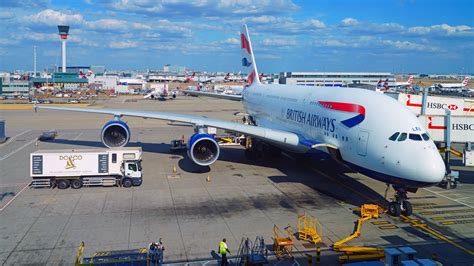
The primary reason for the reduction lies in the airline’s close partnership with British Airways. Because both carriers coordinate their transatlantic operations, capacity can be shifted between airlines without reducing overall network coverage.
When British Airways resumed service between London and Dallas/Fort Worth, American Airlines no longer needed to maintain the same level of frequency on the route. Similar adjustments occurred on services to New York and Miami, where British Airways increased its own presence.
Rather than representing lost market share, the changes illustrate the efficiency of a metal-neutral joint venture. The two airlines can allocate aircraft and frequencies where they create the greatest collective value while maintaining extensive customer choice.
The Strategic Importance of DFW in American Airlines’ Future
Dallas/Fort Worth’s return to the top position underscores a broader trend within American Airlines’ long-term strategy. The airline increasingly relies on DFW as the centerpiece of its global network because of the airport’s unmatched domestic feed, strong local economy, and geographic reach.
Few hubs in North America can match DFW’s ability to gather passengers from across the United States and distribute them efficiently onto international flights. The airport serves as a powerful bridge between domestic markets and destinations throughout Europe and Latin America.
As American Airlines continues evaluating future route opportunities, DFW is likely to remain at the center of expansion plans. The addition of destinations such as Athens and Zurich demonstrates that the carrier still sees considerable growth potential from Texas.
The 2026 summer schedule confirms a clear reality: while Heathrow remains an indispensable international gateway, Dallas/Fort Worth has once again become the beating heart of American Airlines’ long-haul network, reclaiming its place as the carrier’s most important global hub.