Sun Country Airlines Faces Major Schedule Cuts at Minneapolis Hub
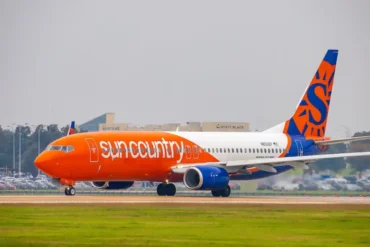
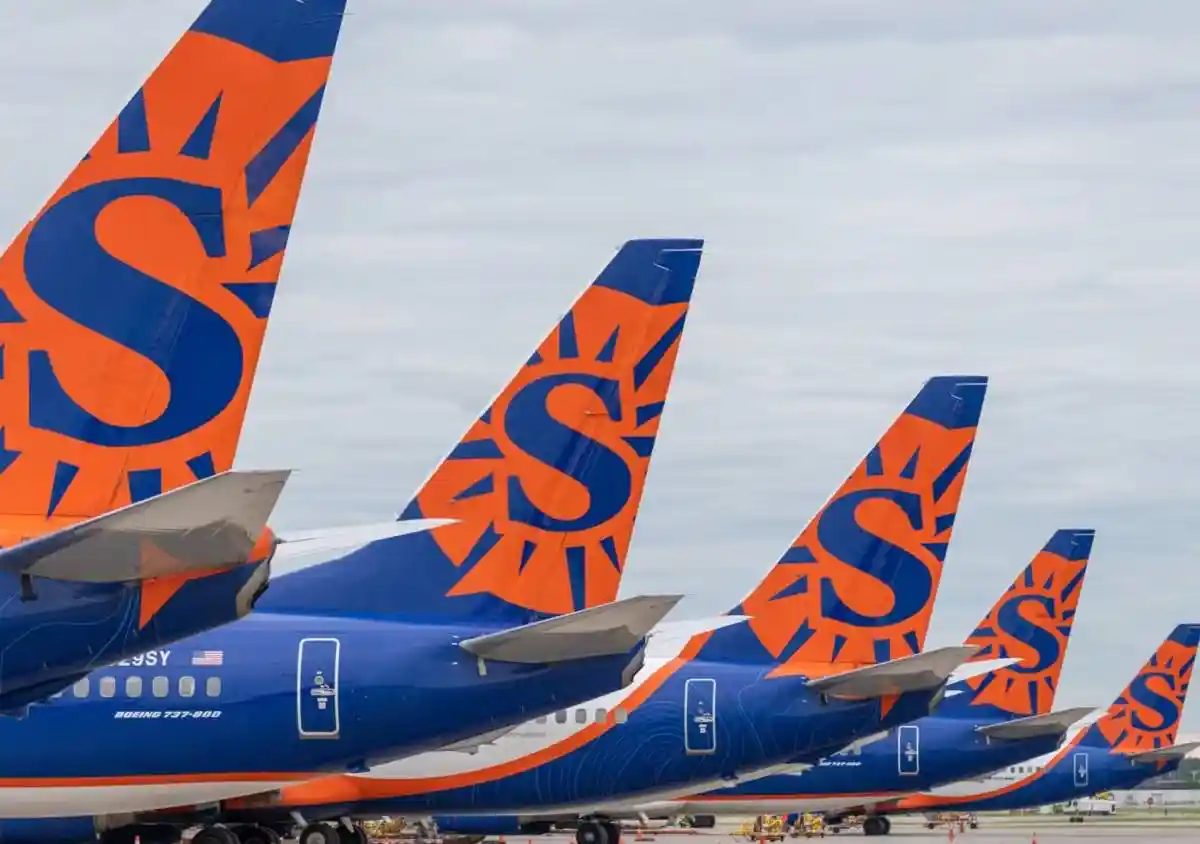
Sun Country Airlines is significantly reducing its flight schedule from Minneapolis–Saint Paul International Airport (MSP) after losing a large number of pilots to a much larger local competitor. The airline’s leadership has acknowledged that increased hiring by Delta Air Lines has contributed to elevated pilot attrition, forcing Sun Country to scale back operations during September.
The cuts represent one of the biggest capacity adjustments Sun Country has made in recent years. According to aviation data from Cirium, the airline is expected to operate approximately 344 flights from MSP in September, providing around 63,866 seats. Compared with the same month a year earlier, this represents a decline of nearly 40% in both flights and available seats.
The reduction highlights the challenges smaller airlines face when competing for experienced flight crews in markets dominated by major network carriers. For Sun Country, the issue is especially significant because Minneapolis is also the home base of Delta, one of the largest airlines in the United States.
Pilot Attrition Linked to Delta’s Increased Hiring
During Allegiant Air’s second-quarter earnings call, company leadership discussed the situation involving Sun Country after Allegiant became the airline’s new parent company. Allegiant CEO Greg Anderson explained that Sun Country has experienced unusually high pilot departures, particularly among junior pilots based at MSP.
Although Anderson did not directly name Delta Air Lines during his comments, he referred to increased hiring by the largest full-service carrier in the Twin Cities, a description that clearly points to Delta’s dominant position at Minneapolis–Saint Paul.
The airline executive noted that many Sun Country pilots had joined the company relatively recently but were attracted by opportunities at a larger legacy carrier offering expanded career paths, stronger network opportunities, and the benefits associated with flying for a global airline.
“Over the past few months, Sun Country has experienced elevated pilot attrition, concentrated among its junior MSP pilots and largely driven by increased hiring at the largest carrier in the Twin Cities,” Anderson explained.
The situation reflects a broader trend across the aviation industry, where airlines continue competing aggressively for qualified pilots. Major carriers have expanded recruitment efforts as travel demand remains strong and thousands of pilots are needed to support future growth.
Delta’s Dominant Position at Minneapolis–Saint Paul
Delta’s influence at MSP helps explain why Sun Country has struggled to retain pilots in the region. Cirium data shows that Delta is scheduled to operate approximately 9,557 flights from Minneapolis in September, making it by far the airport’s largest airline.
Delta’s operations represent around 77.5% of all MSP flights during the month, demonstrating the scale of its presence compared with other carriers. American Airlines, the second-largest airline at MSP by flight count, is scheduled to operate only about 650 flights during the same period.

Delta’s MSP network includes domestic, regional, and international services. Of its scheduled September departures, about 3,498 flights will be operated by regional partners under the Delta Connection brand. The airline’s mainline fleet will handle more than 6,000 flights, including hundreds of international services.
The carrier’s international network from Minneapolis continues expanding, with destinations such as Vancouver, Calgary, and Amsterdam among its most important routes. This extensive operation gives Delta a significant advantage when attracting pilots who want access to long-term career progression.
Sun Country’s Position in a Competitive Market
Sun Country remains one of Minneapolis’s important airlines, but its smaller scale makes it more vulnerable to employee movement toward larger competitors. The airline is scheduled to rank as MSP’s fifth-largest carrier in September, behind Delta, American Airlines, United Airlines, and Southwest Airlines.
Unlike Delta, Sun Country primarily focuses on leisure travel, seasonal routes, and value-oriented service. While this business model has allowed the airline to grow efficiently, it also means pilots may eventually seek opportunities at network carriers with broader international operations and larger fleets.
The current flight reductions show how workforce challenges can quickly affect airline schedules. A shortage of available crews can force carriers to remove flights even when passenger demand remains strong.
The Future Impact on Sun Country Airlines
Sun Country’s leadership will likely focus on rebuilding its pilot workforce and stabilizing operations at MSP. The airline has benefited from strong demand for leisure travel, but maintaining reliable growth will depend on its ability to retain and recruit qualified crews.
The situation also demonstrates the continuing importance of pilot competition in the airline industry. As major carriers such as Delta expand hiring, smaller airlines must find new ways to attract pilots and create career paths that keep employees from moving elsewhere.
For Sun Country, the challenge is not simply reducing flights for one month. It is managing the long-term balance between growth plans, staffing levels, and competition from one of the most powerful airlines in its own home market.