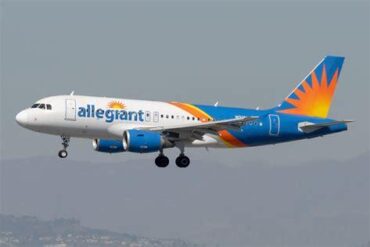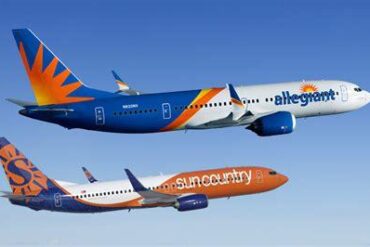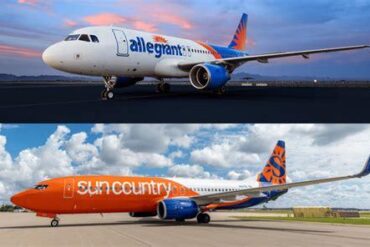
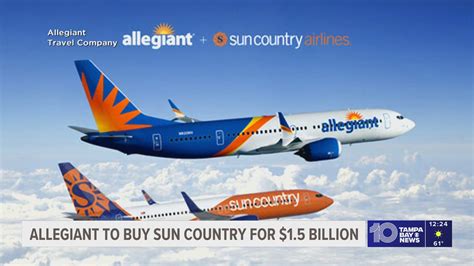
The US airline industry has entered a new era of consolidation after Allegiant Air officially finalized its $1.5 billion acquisition of Sun Country Airlines, creating a combined leisure-focused carrier that now ranks as the eighth-largest airline in the United States by seat capacity. The merger dramatically expands Allegiant’s national footprint, giving the newly combined airline access to nearly 175 cities and more than 650 routes across North America.
The deal arrives at a pivotal moment for the low-cost airline sector. Rising fuel prices, shifting travel demand, and growing operational costs have placed enormous pressure on budget carriers throughout the country. Just weeks before the acquisition closed, Spirit Airlines collapsed after struggling to withstand the same economic challenges that continue to reshape the industry. Against that backdrop, Allegiant’s move to absorb Sun Country signals a decisive push toward scale, diversification, and long-term resilience.
Unlike mergers designed primarily around international expansion or premium business traffic, this acquisition focuses heavily on the leisure market. Both airlines built their reputations around connecting underserved cities with vacation destinations while operating lean cost structures. By combining fleets, route networks, and revenue streams, Allegiant is positioning itself as the dominant player in the US leisure travel segment.
The newly merged airline will continue operating under separate brands in the near term, though executives have confirmed that the Sun Country identity will eventually be integrated into the Allegiant brand over time.
After the merger, the combined fleet now approaches 200 aircraft, giving the airline significantly greater operational flexibility and network reach.
Allegiant Expands Into A National Leisure Aviation Giant
The scale of the merger immediately transforms Allegiant from a niche ultra-low-cost operator into one of the most influential leisure airlines in North America. According to aviation analytics firm Cirium, the combined carrier now possesses enough seat capacity to place it among the country’s largest airlines, overtaking several regional competitors in the process.
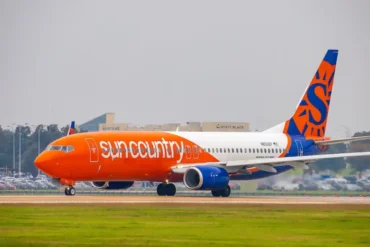
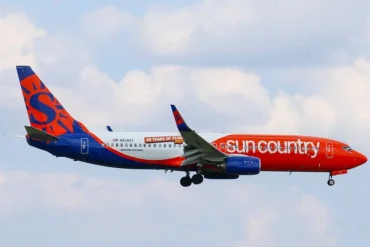
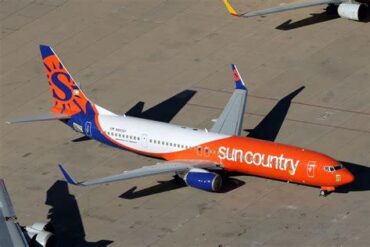
Allegiant’s existing fleet of 124 aircraft, consisting primarily of Airbus A319s, A320s, and newly introduced Boeing 737 MAX jets, now joins Sun Country’s 69 Boeing 737NG aircraft. The merged operation totals approximately 193 aircraft, with additional aircraft orders potentially pushing the fleet beyond 300 planes in the coming years.
That fleet expansion matters for more than just numbers. Sun Country brings operational strengths that Allegiant historically lacked, particularly in charter flying and cargo transportation. Sun Country’s cargo partnership with Amazon Prime Air introduces a stable non-passenger revenue stream that could help insulate the combined company during periods of weak leisure demand.
Allegiant CEO Greg Anderson described the acquisition as a “defining moment” for the airline, emphasizing that the merger creates a more durable business model capable of weathering future market shocks.
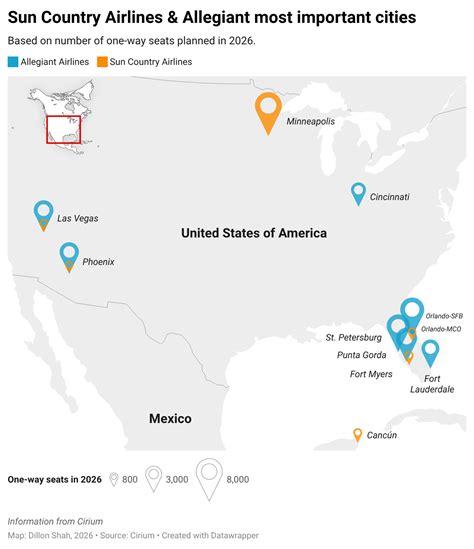
The combined network also unlocks broader connectivity between smaller regional airports and major vacation markets. Allegiant has long focused on connecting underserved communities to destinations like Las Vegas, Orlando, and Florida beach cities. Sun Country adds strength in Minneapolis and upper Midwest markets, creating complementary rather than overlapping route structures.
What Passengers Can Expect After The Merger
For travelers, the immediate impact will likely feel minimal. Both airlines plan to maintain separate operations during the integration process, meaning customers will still book flights through their existing platforms and continue flying under familiar branding for the foreseeable future.
However, significant long-term changes are already taking shape behind the scenes.
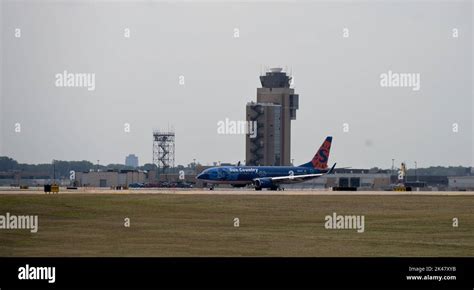
Sun Country’s Minneapolis-St. Paul International Airport hub will remain operational and continue serving as a central strategic base for the merged airline. Meanwhile, Allegiant’s Las Vegas operations are expected to become increasingly important as the corporate headquarters evolves into the nerve center of the expanded carrier.
Passengers can also expect future integration of loyalty programs. Allegiant Allways Rewards and Sun Country Rewards currently remain separate, but the airlines have indicated plans for unified booking systems, expanded redemption opportunities, and cross-network benefits later in the integration process.
The merger could ultimately provide travelers with more flexibility when planning leisure trips. Customers in smaller cities may gain access to broader destination options without relying on major legacy carriers such as Delta, United, or American Airlines.
Fuel Prices And Industry Pressure Accelerated Consolidation
The timing of the merger reflects mounting financial pressure throughout the low-cost airline industry. Budget airlines traditionally operate on extremely thin margins, leaving them particularly vulnerable when fuel prices surge or economic conditions weaken.
Fuel costs have reportedly doubled since the beginning of the year, dramatically increasing operational expenses across the aviation sector. Larger legacy airlines possess premium cabin revenue, international partnerships, and extensive corporate contracts that help offset those costs. Leisure-focused carriers rarely enjoy the same financial cushions.
That vulnerability became painfully clear with the collapse of Spirit Airlines, which failed to stabilize its finances despite aggressive cost-cutting measures. The downfall sent shockwaves through the ultra-low-cost market and accelerated fears that additional smaller airlines might struggle to survive independently.
For Allegiant, acquiring Sun Country creates economies of scale that could prove critical in maintaining profitability. The airline projects approximately $140 million in annual savings within three years, generated through operational synergies, purchasing power, and integrated infrastructure.
Equally important is diversification. Sun Country’s charter business includes government contracts, sports team transportation, and cargo operations tied to Amazon Prime Air. Those segments generate revenue even when leisure demand softens, reducing dependence on vacation travelers alone.
Industry analysts increasingly view diversification as essential for airline survival, particularly in volatile economic environments where passenger demand can fluctuate rapidly.
A New Competitive Force In US Aviation
The merger creates a carrier with a distinctly different identity from the traditional network airlines dominating the US market. Instead of prioritizing global hubs or corporate travelers, the combined airline is concentrating almost entirely on affordable leisure travel and secondary airport connectivity.
That strategy could resonate strongly with price-sensitive travelers seeking nonstop service from smaller cities without navigating congested mega-hubs.
At the same time, integration challenges remain substantial. Combining fleets, reservation systems, employee groups, and loyalty programs is rarely seamless in the airline industry. Preserving operational reliability while merging two distinct corporate cultures will become one of Allegiant’s biggest tests over the next several years.
Still, the acquisition signals confidence at a moment when many low-cost airlines are retreating or restructuring. By securing Sun Country’s fleet, charter business, cargo contracts, and Midwest presence, Allegiant has rapidly expanded from a regional leisure specialist into a national aviation powerhouse.
The US airline landscape is becoming increasingly concentrated, and this merger may only be the beginning of another broader consolidation cycle across the budget travel sector.