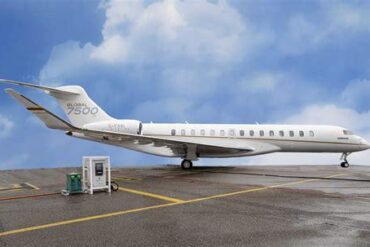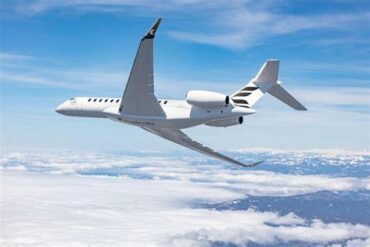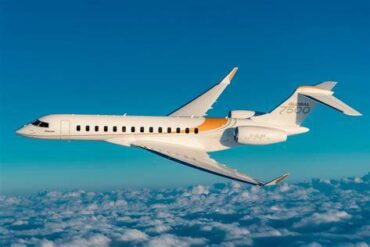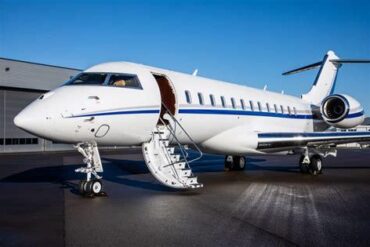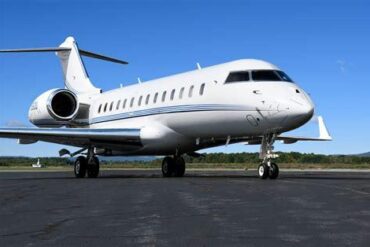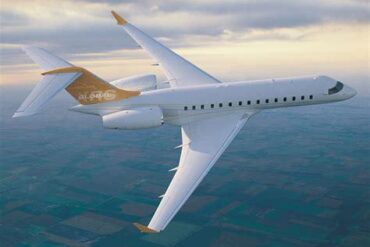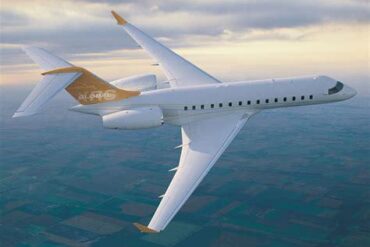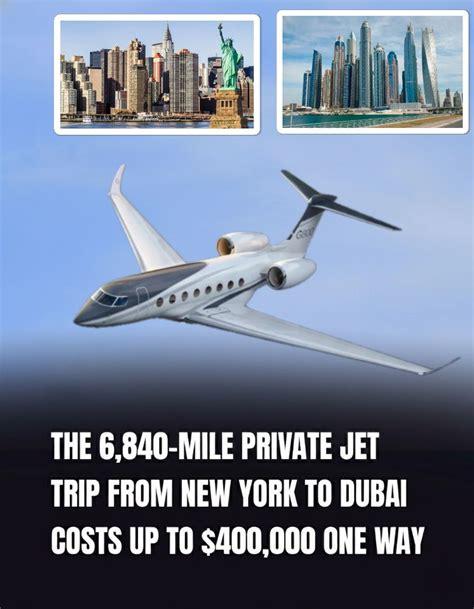
A 14-hour nonstop private jet flight from New York to Dubai represents one of the most exclusive travel experiences available in modern aviation. Unlike commercial airline tickets, where the published fare usually reflects most of the final cost, a Bombardier Global 7500 charter involves a complex pricing structure built around aircraft availability, operational logistics, fuel, crew requirements, and international handling.
The route between New York and Dubai is among the most demanding missions in business aviation. Covering approximately 6,850 nautical miles (12,685 km), the journey pushes aircraft performance, crew planning, and operational efficiency to the limit. For most business jets, such a mission requires a fuel stop or compromises in passenger load. The Bombardier Global 7500, however, was designed precisely for these ultra-long-range operations.
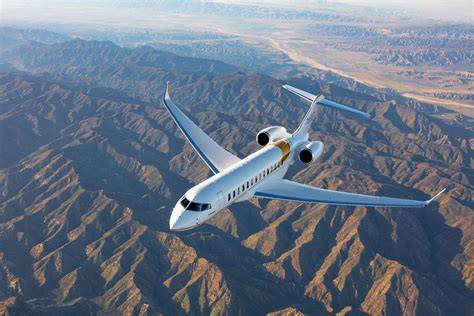
The ability to connect two global financial centers without stopping is the aircraft’s defining advantage. Executives can leave New York, spend nearly an entire workday in the air, sleep comfortably, hold private meetings, and arrive in Dubai ready for business. Yet this level of convenience comes with a remarkable price tag. Depending on circumstances, the real cost of this private flight can range from around $150,000 to nearly $300,000 for a one-way journey.
The difference between the advertised price and the final invoice often surprises even experienced private aviation customers. An hourly charter rate may appear straightforward, but it only represents the aircraft’s flight time. The actual mission requires a network of additional services and expenses that transform a simple hourly calculation into a highly customized international operation.
Why The Bombardier Global 7500 Is Designed For New York To Dubai
The Bombardier Global 7500 occupies the highest level of business aviation. Introduced into service in 2018, it was developed as an aircraft capable of connecting distant cities that previously required traditional long-range jets to make intermediate stops.
With a maximum range of 7,700 nautical miles (14,300 km), the Global 7500 can perform some of the longest business jet missions in the world. Routes such as New York to Dubai, Los Angeles to Singapore, and London to Perth demonstrate the aircraft’s unique capability.
The aircraft’s performance comes from a combination of advanced aerodynamics, efficient engines, and sophisticated flight systems. Two General Electric Passport engines provide the necessary power and efficiency for intercontinental operations, while the aircraft’s advanced wing design improves fuel economy and ride comfort.
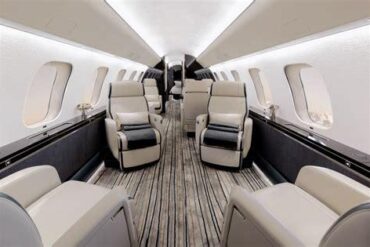
The Global 7500 also benefits from a spacious cabin architecture rarely found on private aircraft. Instead of simply transporting passengers, it functions almost like a flying executive residence.
Depending on configuration, the aircraft can carry up to 19 passengers and offers four distinct cabin zones. Operators can include:
- A dedicated bedroom area
- A full-size galley
- Conference and dining space
- Lounge seating
- Private entertainment areas
- Optional shower facilities
For wealthy travelers and corporate teams, these features provide something commercial aviation cannot easily replicate: complete control over time and privacy.
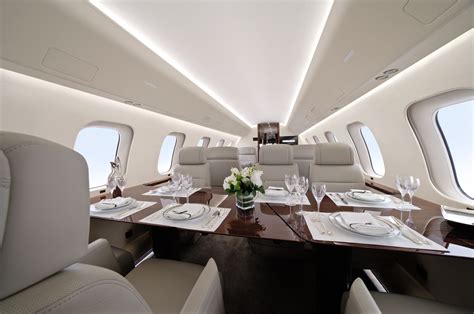
A nonstop private flight is not only about avoiding a connection. It eliminates airport crowds, commercial security lines, transfer delays, and unpredictable schedule disruptions. For passengers whose time is worth thousands of dollars per hour, these advantages become a major part of the aircraft’s value.
The Advertised Hourly Rate Does Not Show The Real Cost
Private jet companies often advertise aircraft prices using an hourly charter rate. This method makes different aircraft categories easier to compare, but it can create unrealistic expectations.
For a Global 7500, advertised rates can begin around $12,000 per flight hour under favorable conditions. However, premium operators frequently quote closer to $16,000 to $19,000 per hour depending on market demand, aircraft location, and service level.
A simple calculation demonstrates why the final bill quickly becomes substantial.
A 14-hour flight at $16,000 per hour creates a base aircraft cost of approximately $224,000. Even before adding international fees or operational expenses, the price already exceeds what many people expect.
However, the customer rarely pays only for the time passengers spend onboard.
Private aviation operates differently from airlines. Every flight is individually planned around aircraft location, crew schedules, airport availability, and passenger requirements. Two identical New York-to-Dubai trips can have significantly different prices depending on when and how they are arranged.
During periods of strong demand, pricing can increase sharply. Summer travel seasons, major international events, and limited aircraft availability can push charter costs higher as operators manage a small supply of ultra-long-range aircraft.
Hidden Expenses That Push A $200,000 Flight Toward $300,000
The largest difference between a basic charter estimate and the final invoice comes from operational expenses that passengers rarely see.
One of the biggest factors is aircraft positioning.
A Global 7500 may not already be waiting at New York’s departure airport. If the aircraft is based elsewhere, it must fly empty to collect passengers. This repositioning flight still consumes fuel, requires pilots, creates maintenance costs, and uses valuable aircraft availability.
These empty positioning flights, commonly called ferry flights, can add tens of thousands of dollars to a charter.
For international missions, positioning may occur on both sides of the journey. After arriving in Dubai, the aircraft may need to continue to another destination or return to its home base. Those movements influence the final quotation.
Fuel represents another major expense. Although the Global 7500 is among the most efficient aircraft in its category, a 14-hour nonstop flight requires a significant amount of jet fuel. Because fuel prices fluctuate, operators often adjust pricing based on current market conditions.
Crew expenses also contribute substantially. Ultra-long-range flights require careful scheduling to comply with aviation duty regulations. Depending on the operation, additional crew members may be needed.
Pilots may require:
- Hotel accommodations
- Meals
- Ground transportation
- Rest arrangements before returning
International airport costs create another layer of complexity. Departing from John F. Kennedy International Airport (JFK) and arriving at Dubai International Airport (DXB) involves handling services, parking charges, security fees, and navigation expenses.
Many private travelers also choose premium fixed-base operators (FBOs) that provide:
- Private lounges
- Faster customs processing
- Direct aircraft access
- VIP ground services
These services improve the experience but increase the total cost.
Combined, these additional expenses can raise the final invoice by 20% to 40% above the simple hourly calculation.
How Much Does A Global 7500 Charter From New York To Dubai Actually Cost?
The final price depends heavily on the charter provider, aircraft availability, and included services.
Typical estimates for a nonstop New York-to-Dubai Global 7500 charter generally fall within the following range:
- Lower-end estimates: around $150,000
- Common premium charter pricing: approximately $200,000 to $250,000
- High-demand periods or fully customized services: up to $295,000 or more
These differences are not necessarily caused by operators charging dramatically different prices. Instead, each quotation may include different assumptions.
A lower quote may exclude certain expenses such as:
- International handling fees
- Aircraft repositioning
- Catering upgrades
- Additional crew requirements
A higher quote may already include these costs as a single fixed package.
The customer is not simply buying transportation. They are purchasing flexibility.
A private charter allows passengers to decide:
- Departure times
- Catering preferences
- Ground transportation
- Cabin configuration
- Meeting schedules
- Passenger privacy requirements
This level of customization is impossible on commercial flights.
Global 7500 Versus Gulfstream G700 On Ultra-Long Routes
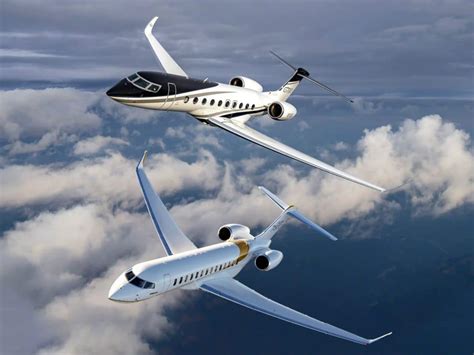
The Global 7500 competes directly with another flagship business jet, the Gulfstream G700.
Both aircraft represent the newest generation of ultra-long-range private aviation, offering similar mission capabilities.
| Aircraft | Bombardier Global 7500 | Gulfstream G700 |
|---|---|---|
| Range | 7,700 nautical miles | 7,750 nautical miles |
| Maximum speed | Mach 0.925 | Mach 0.935 |
| Cabin zones | Four | Up to five |
| Passenger capacity | Up to 19 | Up to 19 |
The differences are relatively small. Both aircraft can complete demanding intercontinental missions while providing luxury comparable to a private residence.
For charter customers, availability often matters more than technical specifications. The aircraft that is available at the right airport and time usually determines the final choice.
Who Pays Hundreds Of Thousands Of Dollars For A Private Jet Flight?
A quarter-million-dollar flight is obviously not designed for ordinary travelers. For most passengers, commercial first class provides a far more economical alternative.
Airlines operating between New York and Dubai already offer premium cabins with lie-flat seats, luxury dining, private suites, and airport lounges.
However, private aviation serves a different purpose.
Corporate executives frequently use aircraft like the Global 7500 because the flight itself becomes productive time. A leadership team can conduct confidential discussions, review documents, and make decisions without outside passengers nearby.
When a business negotiation involves millions or billions of dollars, the ability to save hours and maintain privacy can justify the cost.
Government officials and diplomatic teams also value ultra-long-range aircraft because they provide secure transportation and schedule flexibility.
High-net-worth individuals often prioritize convenience. A private terminal experience allows passengers to arrive minutes before departure rather than navigating crowded airports.
Other users include:
- Professional sports teams
- Entertainment groups
- Touring performers
- Specialized medical transport operations
For these travelers, equipment, privacy, and timing can matter more than ticket price.
Will Ultra-Long-Range Private Jet Flights Become Cheaper?
The popularity of aircraft like the Global 7500 continues to increase, but that does not necessarily mean prices will fall dramatically.
The biggest limitation remains supply. Ultra-long-range aircraft are expensive to build and operate, and manufacturers produce them in relatively small numbers compared with commercial aircraft.
Demand from corporations, governments, and wealthy private travelers remains strong. More aircraft entering service may improve availability, but the fundamental costs of operating an aircraft capable of flying nearly 8,000 miles nonstop will remain high.
Fuel efficiency improvements will continue, and newer aircraft designs may reduce operating expenses. However, physics still determines the basic economics of long-distance private aviation.
A large aircraft carrying fewer than twenty passengers across continents requires enormous engineering capability and operational support.
The Real Value Behind A $300,000 Private Jet Journey
The true cost of a Bombardier Global 7500 nonstop flight from New York to Dubai is not simply measured by fuel burned or hours flown. The price reflects an entire aviation ecosystem designed around speed, privacy, reliability, and flexibility.
A commercial airline sells a seat on a scheduled route. A Global 7500 charter sells control over the entire journey.
For passengers who can justify the expense, the value lies in arriving faster, avoiding uncertainty, protecting privacy, and maximizing productive time.
That is why a 14-hour nonstop flight between New York and Dubai can command a price approaching $300,000. The aircraft is not just crossing continents. It is delivering one of the most exclusive transportation experiences available in modern aviation.