A powerful North Atlantic jet stream sent several transatlantic aircraft into overspeed alerts last week, with a British Airways Boeing 777-200ER briefly exceeding its operational limit by roughly 7 to 10 knots while crossing at 38,000 feet. The event, involving flight BA252 from Nassau to London Heathrow, underscores how the seasonal strengthening of upper-level winds shapes long-haul operations between North America and Europe.
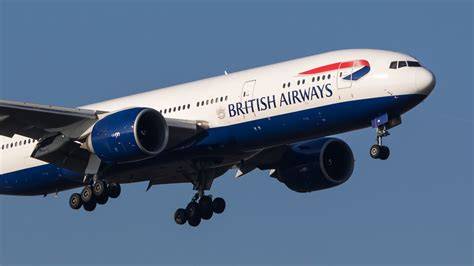
The aircraft, registered as G-VIID, departed Lynden Pindling International Airport (NAS) on Tuesday and was crossing the ocean toward LHR on Wednesday when it entered a band of unusually strong upper-level winds, according to Airlive. Cruising at 38,000 feet, the jet reportedly reached about 282 knots, a small but operationally meaningful margin above its applicable speed limit.
Crew Response: Altitude Changes to Stabilize Airspeed
The flight crew addressed the overspeed alert with a measured sequence of altitude adjustments rather than abrupt corrections. They initially climbed to 39,000 feet, then to 41,000 feet, seeking air layers with more favorable wind characteristics and a stable speed profile. Such step climbs are routine practice when wind gradients at a given level make it difficult to hold a constant cruising speed.
Despite the alert, the flight proceeded without further reported complications. BA252 landed at Heathrow at 11:13 GMT on Wednesday after a block time of seven hours and 57 minutes, a duration that reflects the eastbound advantage of a strong tailwind. Other transatlantic aircraft reportedly recorded similar overspeed alerts during the same window, though available open-source information did not identify individual flight numbers or the circumstances of each event. No injuries or structural damage were reported in connection with BA252.
Why a Powerful Jet Stream Pushes Eastbound Aircraft Toward Their Limits
The incidents unfolded during a notably active period over the North Atlantic. According to the UK Met Office, the jet stream is a narrow band of powerful winds roughly five to seven miles above the surface, generally flowing west to east near the boundary between cold polar air and warmer tropical air. Eastbound aircraft can draw substantial benefit from these winds, which Aerospace Global News notes may exceed 250 mph (402 km/h), cutting flight times and fuel burn while westbound services battle stiffer headwinds and longer journeys.
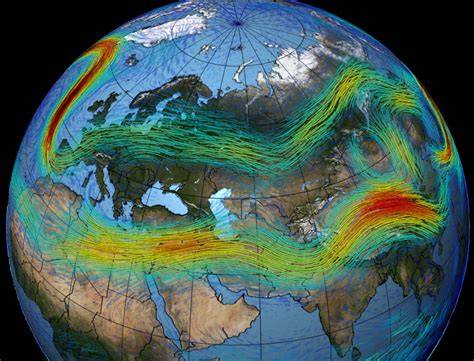
Ground speed and aerodynamic speed are not the same thing, and the distinction matters here. In February 2024, two Boeing 787 Dreamliners operated by Virgin Atlantic and United Airlines recorded ground speeds above 800 mph (1,287 km/h) — approximately 802 mph and 838 mph — without exceeding their aerodynamic limits. A tailwind pushes an aircraft from behind, raising its speed over the Earth’s surface while leaving true airspeed, the speed through the surrounding air, largely unchanged. NASA measures aerodynamic speed relative to the surrounding air.
Jet Stream Wind Shear and Clear-Air Turbulence Risks
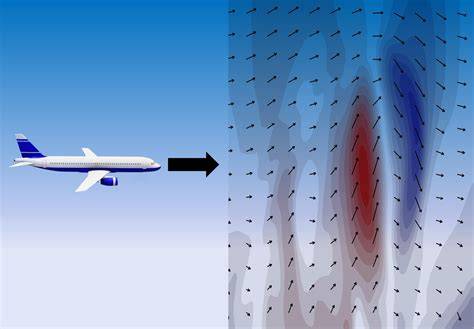
Sudden shifts in wind direction or velocity, known as wind shear, can temporarily disturb indicated airspeed even when the aircraft’s true performance is otherwise unaffected. Because the available report on BA252 does not establish the precise aerodynamic mechanism behind the alert, the relationship between the jet stream’s intensity and the overspeed should be treated with appropriate caution.
The jet stream’s strength and position shift through the year, driven largely by the temperature contrast between polar and tropical regions. The Met Office explains that autumn and winter typically bring stronger westerly winds as the polar regions cool, making the jet stream more active and shaping weather across the North Atlantic. One associated hazard is clear-air turbulence (CAT), which can occur without visible cloud or thunderstorm activity and is frequently linked to jet stream wind gradients at cruising altitude.
What the Overspeed Alerts Mean for Transatlantic Operations
Conventional onboard weather radar cannot directly detect clear-air turbulence, so pilots depend on forecasts, reports from other aircraft, and air traffic control information to anticipate rough air. The BA252 event closed without reported injuries or aircraft damage, but it illustrates the narrower operational margins that develop when the jet stream intensifies. Strong tailwinds remain a considerable advantage for eastbound carriers, yet fluctuating wind patterns and the turbulence they generate keep atmospheric monitoring central to every North Atlantic crossing.