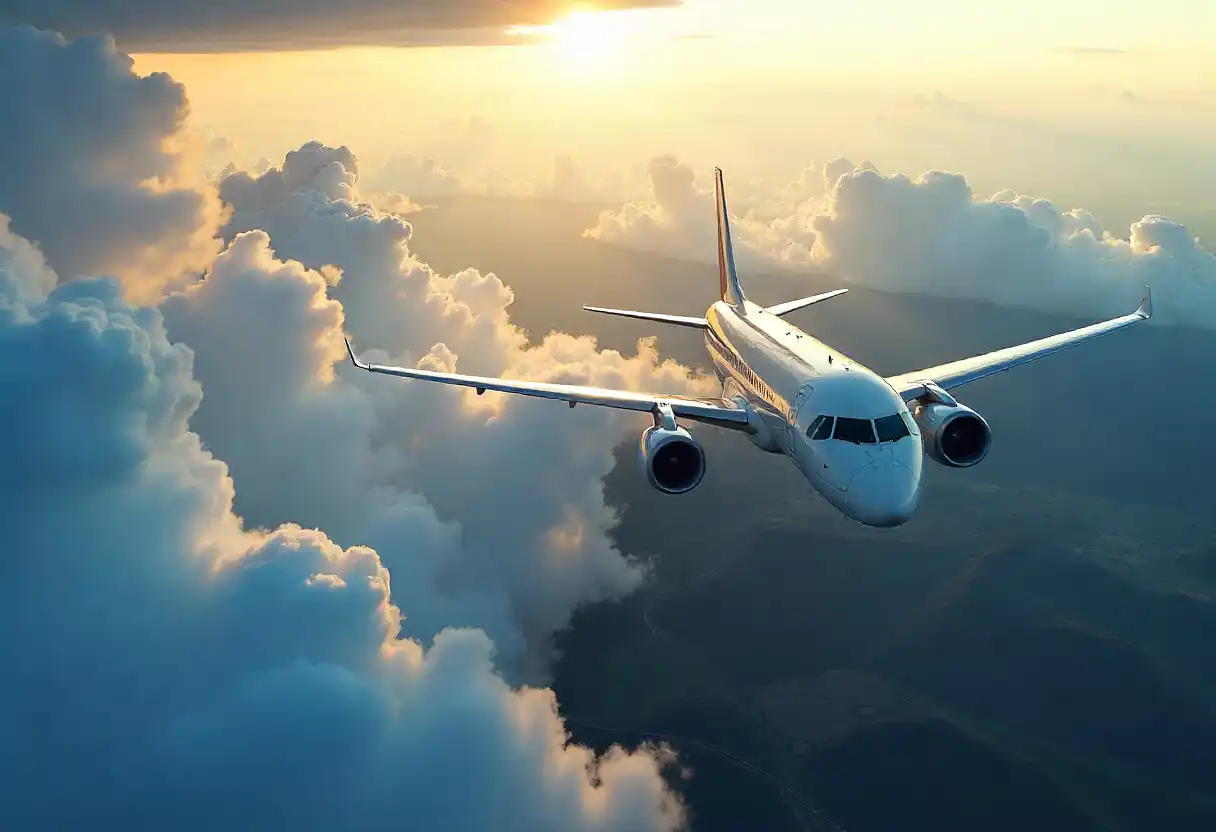
Air travel is designed to be as efficient, economical, and safe as possible. Every commercial airline calculates its flight paths with precision, considering factors like wind currents, air pressure, turbulence, and weather systems. Among these, jet streams are one of the most critical atmospheric elements that determine flight planning. While jet streams can be beneficial when flying eastward, they can also become a significant obstacle when traveling westward due to jet stream headwinds. Airlines avoid flying directly into these headwinds to minimize fuel consumption, extended flight time, turbulence risks, and operational costs.
What Are Jet Streams?
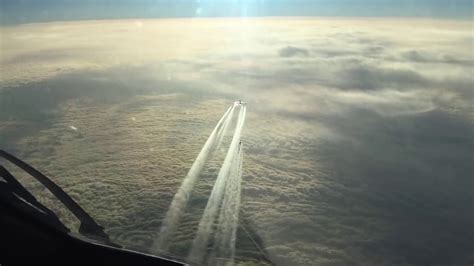
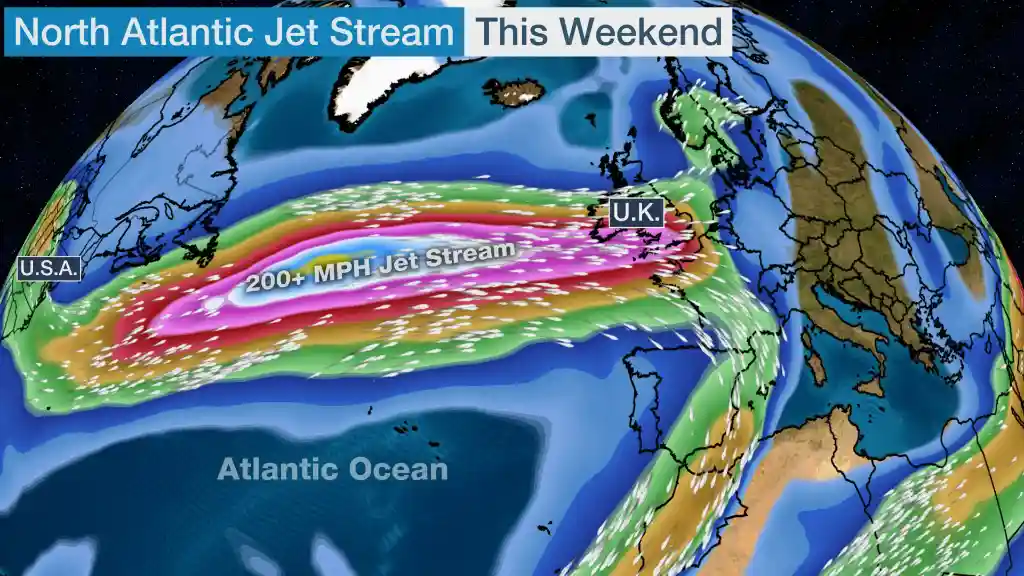
Jet streams are narrow bands of powerful winds that flow at high altitudes, typically between 30,000 and 39,000 feet, which is also the cruising altitude for most commercial aircraft. These winds, which can reach speeds of 275 mph (443 km/h), flow predominantly from west to east due to the Earth’s rotation and temperature differences between the equator and the poles.
They act like invisible highways in the sky, shaping global weather systems and influencing aviation efficiency. Pilots and air traffic controllers must account for these streams when planning routes to maximize tailwinds or avoid headwinds.
Formation of Jet Streams
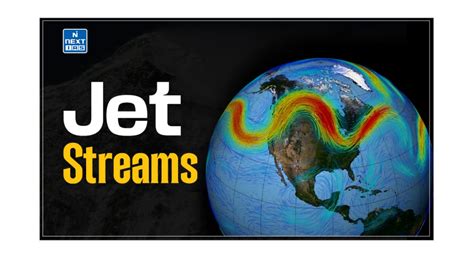
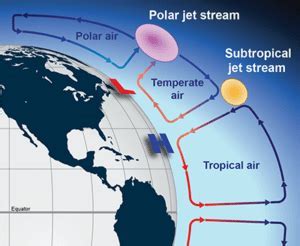
Jet streams are created by uneven solar heating of the Earth’s surface. The equator receives direct sunlight, warming the air, while polar regions remain cooler. This creates strong pressure gradients as warm air rises and colder air sinks, resulting in high-altitude wind currents.
Additionally, the Coriolis effect—caused by Earth’s rotation—deflects these air currents, giving jet streams their characteristic eastward flow. Their strength is most pronounced during winter months, when the temperature contrast between equatorial and polar regions is at its peak.
Typical jet streams are a few hundred miles wide and several thousand feet thick, extending across continents and oceans, profoundly shaping aviation strategies.
Why Airlines Avoid Jet Stream Headwinds
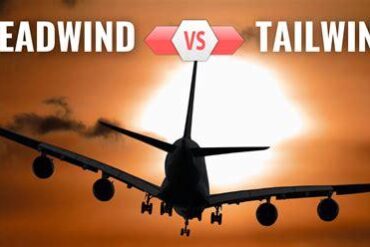
Flying into jet stream headwinds is comparable to rowing a boat upstream. Instead of harnessing natural forces to improve efficiency, aircraft burn more fuel and require longer flight times. Let us break down the reasons airlines avoid direct encounters with these headwinds:
1. Increased Fuel Consumption
Fuel is the single largest operating cost for airlines, often accounting for 20–30% of total expenses. Headwinds reduce an aircraft’s ground speed, forcing engines to burn more fuel to maintain schedule commitments. For example, a Boeing 777 flying westward across the Atlantic can consume thousands of extra gallons of fuel when battling jet stream resistance.
2. Longer Flight Times
On average, westbound transatlantic flights can take 30 minutes to over an hour longer than their eastbound counterparts due to headwinds. A flight from New York to London may take 6 hours eastbound but 7–8 hours westbound, primarily due to jet stream positioning. Longer flight durations not only inconvenience passengers but also complicate airline schedules, crew hours, and aircraft utilization rates.
3. Turbulence Risks
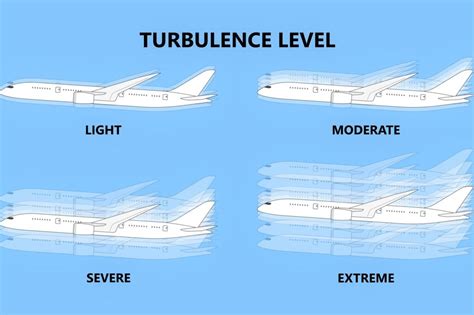
Jet streams are associated with wind shear—sudden changes in wind speed or direction—which generates clear air turbulence (CAT). Unlike turbulence caused by storms or visible cloud formations, CAT is invisible to radar and can strike without warning. Airlines often reroute flights to minimize exposure to turbulence-prone regions, ensuring passenger comfort and structural safety.
4. Increased Operational Costs
Longer flight times and higher fuel usage increase operational costs significantly. Additionally, turbulence-related incidents can lead to injury claims, aircraft maintenance inspections, and even flight diversions. By strategically avoiding headwinds, airlines reduce both direct costs and indirect liabilities.
5. Environmental Considerations
Airlines face mounting pressure to reduce carbon emissions. Avoiding headwinds improves fuel efficiency, directly reducing an airline’s carbon footprint. A single optimized route can save hundreds of tons of CO₂ emissions annually, contributing to global sustainability goals.
Eastbound vs. Westbound Flight Times
To illustrate the impact of jet stream headwinds, let us compare typical eastbound and westbound flight times across the North Atlantic corridor, one of the busiest intercontinental airspaces.
| Route | Eastbound (Tailwind) | Westbound (Headwind) | Difference |
|---|---|---|---|
| New York → London | 6h 30m | 7h 45m | +1h 15m |
| Boston → Paris | 6h 45m | 8h 00m | +1h 15m |
| Toronto → Frankfurt | 7h 20m | 8h 40m | +1h 20m |
| Washington D.C. → Rome | 8h 10m | 9h 30m | +1h 20m |
This table highlights how westbound journeys are consistently longer, primarily because of jet stream headwinds.
How Airlines Navigate Around Jet Stream Headwinds
Airlines do not simply allow their aircraft to fly blindly into these natural barriers. Instead, they employ advanced planning strategies, including:
- Dynamic Flight Planning – Airlines use meteorological data and real-time weather models to design optimized routes that reduce headwind exposure.
- Flexible Flight Altitudes – Pilots may alter altitude by a few thousand feet to avoid the strongest winds within the jet stream.
- Oceanic Tracks (NATs) – For transatlantic flights, North Atlantic Tracks are adjusted daily by air traffic controllers to maximize efficiency based on jet stream positions.
- SIGMET & Turbulence Forecasts – Meteorological warnings help pilots avoid turbulence-prone regions along jet streams.
These adaptive measures allow airlines to minimize losses while maintaining passenger safety and schedule reliability.
Historical and Modern Impacts
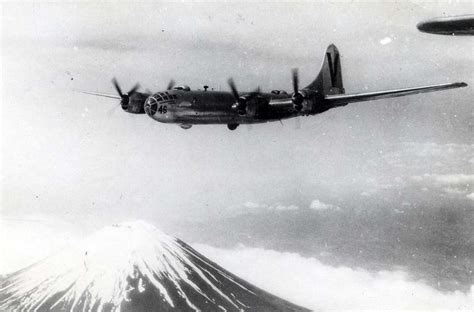
The influence of jet streams on aviation has been known since World War II, when military bombers encountered unexpected headwinds over the Pacific. In modern times, airline alliances and carriers such as Delta, Lufthansa, and British Airways have invested in AI-powered flight planning systems that analyze jet stream forecasts with remarkable precision.
During extreme weather events, such as the polar vortex, jet streams can shift dramatically, forcing mass rerouting of flights and causing widespread delays. This demonstrates how global aviation efficiency remains tightly linked to these atmospheric phenomena.
Conclusion
Airlines avoid flying directly into jet stream headwinds because doing so would result in higher fuel burn, longer flight times, increased turbulence risks, operational expenses, and environmental impacts. Instead, they leverage advanced meteorological forecasting, adaptive routing, and altitude adjustments to minimize inefficiencies. The balance between efficiency, safety, and sustainability makes the avoidance of jet stream headwinds a cornerstone of modern aviation planning.
FAQs
Why are flights from Europe to the U.S. longer than flights from the U.S. to Europe?
Because jet streams flow west to east, flights traveling eastward benefit from tailwinds, while westbound flights face headwinds, increasing flight time by up to 90 minutes.
Do pilots always avoid jet streams?
Not always. Pilots actively use jet streams when they provide tailwinds but strategically avoid the strongest headwind zones and turbulent regions within the streams.
Can jet stream headwinds cause delays?
Yes. Headwinds increase flight time and fuel consumption, sometimes leading to arrival delays, missed connections, and schedule disruptions. Airlines often reroute flights to reduce these impacts.