The U.S. hotel industry is undergoing significant transformations as it navigates a complex economic landscape in 2025. With growth projected to be more subdued compared to previous years, the sector is adapting to a myriad of challenges, from fluctuating economic indicators to evolving consumer preferences. Despite these hurdles, specific segments such as luxury hotels and business travel are demonstrating remarkable resilience, suggesting that opportunities for strategic growth still exist amidst the challenges.
Revenue Projections Amid Economic Challenges
According to recent insights from STR/Tourism Economics (STR/TE), the anticipated growth in the U.S. hotel market’s Revenue per Available Room (RevPAR) is now forecasted to rise by just 1.0% in 2025. This marks a significant adjustment, down 80 basis points from earlier projections. Several factors contribute to this cautious outlook, including a calendar year shift and weaker macroeconomic indicators that have raised concerns among investors and operators alike. The uncertainty stemming from inconsistent tariff policies and substantial reductions in the federal workforce has further contributed to this sentiment, casting a shadow over market optimism.
A notable concern is the decline in international inbound travel, which has historically been a vital growth driver for the U.S. hotel sector. This reduction not only impacts occupancy rates but also influences the overall revenue potential. Despite these setbacks, some key metrics remain relatively positive; the Average Daily Rate (ADR) is still expected to increase by 1.3%, although this is slightly lower than previous expectations. However, the demand growth is projected at a modest 0.5%, indicating that the road to recovery may be longer than anticipated.
Natural Disasters: A Double-Edged Sword
Natural disasters, particularly Hurricanes Helene and Milton, are set to play a pivotal role in shaping the hotel industry’s performance throughout 2025. In the immediate aftermath of these hurricanes, there was a temporary surge in hotel demand in affected areas, notably during the first quarter of the year. However, as the immediate impacts of these storms begin to wane, the industry braces for a downturn in demand during the latter part of the year, especially the fourth quarter. This cyclical nature of demand underscores the unpredictable factors that can significantly impact hotel performance.
Performance Across Different Chain Scales
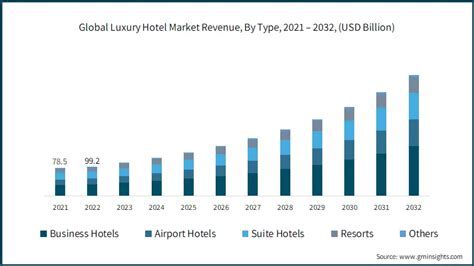
Disparities in performance are anticipated across various hotel segments. Luxury hotels continue to dominate the market, showcasing robust demand and ADR growth. These high-end properties have largely insulated themselves from the broader economic challenges, allowing them to maintain profitability even in less favorable conditions. Conversely, select-service hotels, which typically cater to mid-range consumers, are experiencing the most considerable declines in RevPAR. This downturn is primarily attributed to weakening demand from both corporate and leisure travelers within the middle-income bracket, highlighting a significant vulnerability in non-luxury segments.
Regional Market Dynamics and Demand Fluctuations
Regionally, markets in the Southern U.S. have witnessed strong demand growth, particularly in areas impacted by the aforementioned hurricanes. This regional demand boost has helped sustain hotel performance through March 2025. However, as the hurricane-driven demand begins to subside, these markets are expected to see a normalization of demand in the second half of the year, particularly in the fourth quarter. Furthermore, the pipeline for new hotel projects is showing signs of slowing down, with several developments either delayed or canceled due to the prevailing economic uncertainties. While this trend may alleviate short-term pressure on RevPAR, it also signals deeper, systemic challenges within the industry.
Shifts in Events and Group Bookings
The landscape surrounding large-scale events and group bookings is also experiencing notable shifts in 2025. While marquee events like the Super Bowl continue to drive increased demand and bolster ADR growth, participation in mid-tier and smaller events has seen a marked decline. Business sentiment has weakened since the onset of the year, leading to decreased engagement in corporate travel and events. Despite this, the business transient segment remains a bright spot, particularly in higher-tier markets during weekdays, indicating that there are still pockets of opportunity within the industry.
International Travel Trends and Their Implications
In 2025, international travel to the U.S. is experiencing a downturn, particularly from key markets such as Canada, Mexico, the EU, and Asia-Pacific countries. This decline can be attributed to various factors, including the impacts of global tariffs and shifting perceptions of the U.S. as a preferred travel destination. Nevertheless, high-profile international events, such as the upcoming FIFA World Cup and the Olympics, are expected to rejuvenate interest in U.S. travel, providing a potential uplift to both the tourism and hotel sectors as recovery efforts ramp up through 2029.
Long-Term Outlook: Gradual Growth on the Horizon
Looking beyond 2025, the long-term outlook for the U.S. hotel industry suggests a trajectory of gradual growth. Projections indicate that RevPAR could see an increase of 1.5% in 2026 and 1.8% in 2027, with slight acceleration anticipated in subsequent years. While the ADR continues to serve as a strong performance driver, the broader economic environment—particularly concerning discretionary spending and the health of non-luxury segments—will continue to present challenges.
In summary, the U.S. hotel industry is approaching 2025 with a cautious yet strategic perspective. Influenced by economic uncertainties, natural disasters, and changing dynamics in international travel, the sector faces a complex web of challenges. However, segments such as luxury accommodations and business transient bookings exhibit resilience, hinting that opportunities for growth still abound. To thrive, the industry must adapt to evolving consumer behaviors, respond to global trends, and effectively manage economic uncertainties, all while positioning itself for future success.