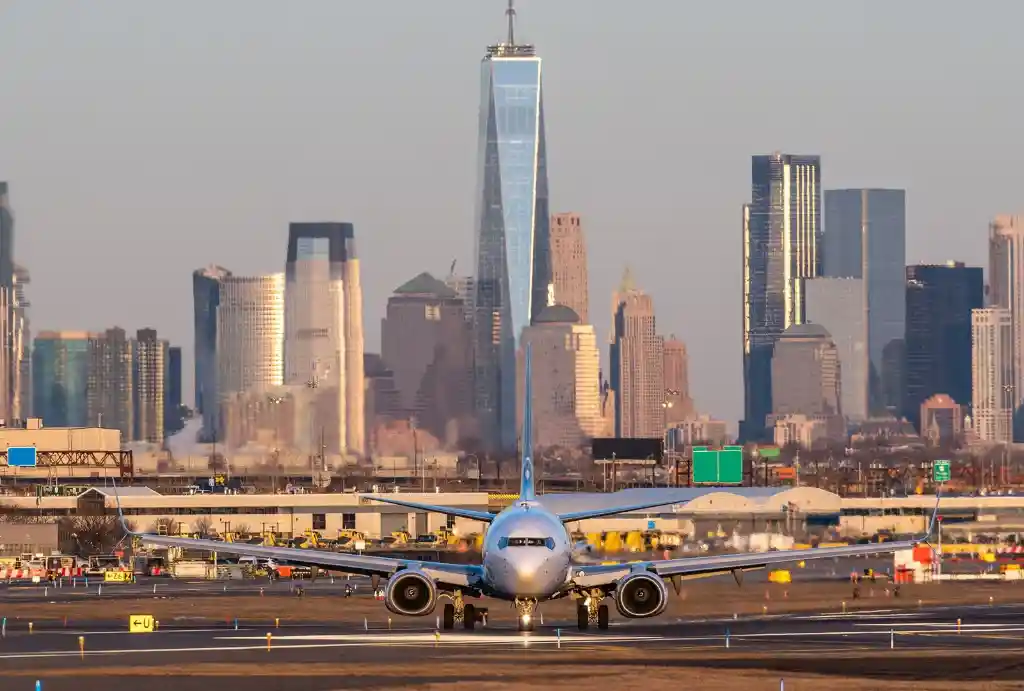
The Federal Aviation Administration (FAA) has established a permanent prohibited airspace area over and around Trump Tower in Manhattan, creating long-term flight restrictions that will remain active even after Donald Trump leaves office. The measure was introduced following a request from the United States Secret Service (USSS), which identified ongoing security concerns requiring additional protection around the president’s New York residence.
The new rule prevents unauthorized aircraft operations within one nautical mile (1.85 kilometers) of Trump Tower and below 1,000 feet (305 meters) above ground level. Aircraft entering the restricted area will require specific authorization from the Secret Service, creating a permanent layer of protection around one of New York City’s most recognizable buildings.
The FAA’s decision reflects the growing importance of protecting high-profile locations from potential aviation-related threats. While many security restrictions around presidential locations are temporary, this regulation creates a permanent prohibited area that will remain in effect regardless of Trump’s future political status.
FAA Uses Federal Aviation Authority to Establish Permanent Restrictions
The regulatory change was published through an update to the Federal Register and is based on authority granted under Title 49 of the United States Code, which allows federal aviation officials to create restrictions when necessary for aviation safety and national security.
According to the regulation, the prohibited area is designed to protect individuals, property, and locations considered significant to national security. The FAA and Secret Service are authorized to enforce these restrictions under existing federal laws, including provisions that support presidential protection responsibilities.
The new airspace rule is part of a broader framework covering protected presidential and vice presidential residences. Officials determined that unauthorized aircraft activity near these locations could create unacceptable risks, particularly as drones and small aircraft become increasingly accessible.
Trump Tower Receives Long-Term Protection After Security Assessment
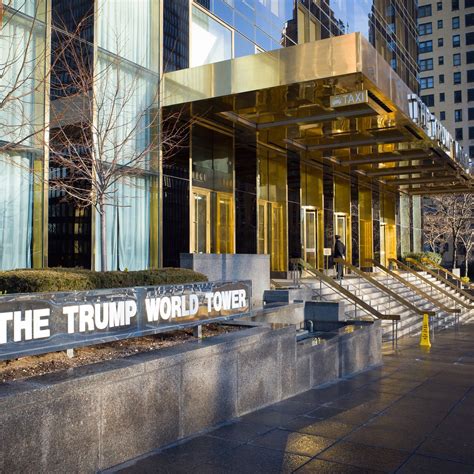
Located at 721 Fifth Avenue in Manhattan, Trump Tower serves as a commercial, residential, and office complex. The 58-story skyscraper contains headquarters for the Trump Organization and includes a private penthouse residence associated with Trump.
The Secret Service requested the permanent restriction after reviewing security intelligence and evaluating potential threats near the building. Officials argued that a permanent no-fly zone would improve their ability to respond to unauthorized aircraft while reducing uncertainty caused by repeatedly renewing temporary restrictions.
In October 2025, the FAA introduced a temporary Special Security Instruction restricting flight operations around Trump’s residence. That measure was scheduled to expire, but the permanent rule replaced temporary controls with a consistent security policy.
How No-Fly Zones Work in the United States
A no-fly zone is an area where aircraft operations are prohibited or heavily controlled by government authorities. These restrictions are commonly used to protect sensitive locations, prevent security threats, and support emergency response efforts.
In the United States, one of the most recognized examples is the restricted airspace surrounding the White House and U.S. Capitol in Washington, D.C. Known as Prohibited Area 56, along with the larger Washington Flight Restricted Zone, the area prevents unauthorized aircraft and drones from operating near critical government facilities.
Violations of protected airspace can trigger immediate security responses, including interception by military aircraft or intervention by law enforcement agencies. Exceptions may be granted for approved operations, government missions, or urgent emergencies, but aircraft operators must receive authorization before entering restricted areas.
Permanent Restriction Balances Security Needs and Aviation Operations
The FAA stated that the Trump Tower restriction is designed to provide necessary protection while minimizing disruption to the aviation community and the public. Because the restricted area covers a relatively small section of Manhattan airspace, officials believe the impact on normal aircraft operations will remain limited.
The creation of this permanent prohibited area highlights how modern security planning increasingly considers potential aviation threats beyond traditional military concerns. The rapid growth of drone technology and the availability of small aircraft have encouraged authorities to strengthen protections around important locations.
By making the restriction permanent, federal agencies aim to create a predictable security environment around Trump Tower while ensuring that authorized aviation activities can continue under controlled conditions. The measure demonstrates the continuing role of the FAA and Secret Service in managing the balance between national security and the freedom of airspace access.