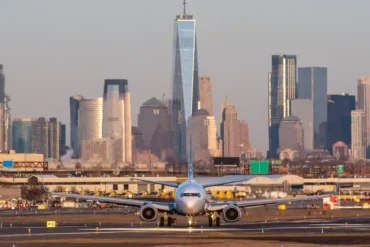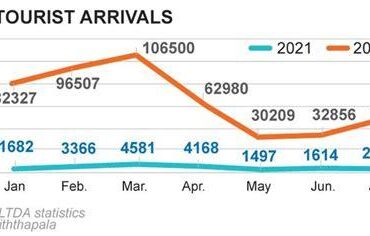
Tourism has long been a cornerstone of the U.S. economy, attracting millions of visitors from around the globe. With its iconic cities, cultural diversity, and breathtaking landscapes, the United States has historically positioned itself as a prime destination for international travelers. However, since the onset of Donald Trump’s second term, there has been a significant decline in international tourism—a trend that is becoming increasingly hard to ignore. As various regions across the country grapple with the economic consequences, it is essential to explore the factors contributing to this crisis and consider potential pathways to recovery.
The Decline of U.S. Tourism Under Trump
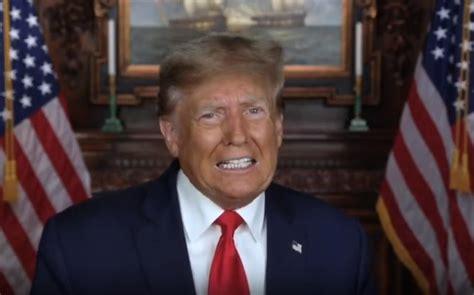
In recent years, the U.S. tourism industry has faced a seismic shift, primarily due to the political landscape shaped by President Trump’s administration. The sector, which contributes over $1.3 trillion annually to the economy, has been adversely affected by policies that emphasize an America First approach. Stricter immigration controls, travel bans targeting predominantly Muslim countries, and controversial rhetoric have altered the perception of the U.S. as a welcoming destination. This shift has led to a noticeable decline in international visitors, particularly from traditional source markets like Germany, the U.K., and Canada.
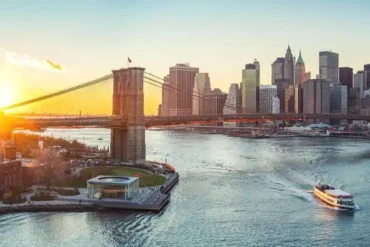
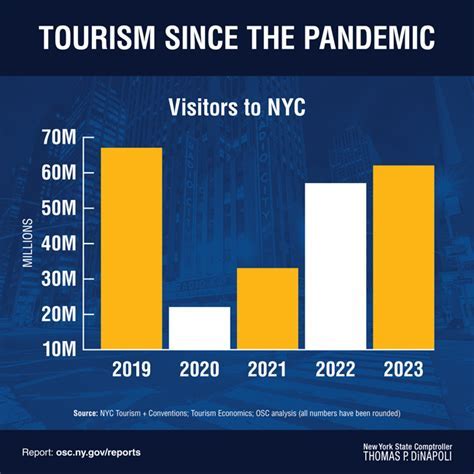
The ramifications of these changes are far-reaching, impacting not just major urban centers like New York City and Los Angeles but also smaller towns that rely heavily on tourism. As international travelers become more hesitant to visit the U.S., the once-bustling streets of Manhattan are now quieter, and businesses that depend on tourist spending are feeling the financial strain.
The Economic Consequences of Fewer Tourists
The direct economic consequences of reduced international tourism are stark. Cities and regions that previously thrived on tourism dollars are witnessing a downturn in various sectors, including hospitality, retail, and entertainment. In New York City, a global tourist magnet, the decline in international visitors has led to lower hotel occupancy rates and decreased spending in restaurants and shops. Similarly, California, home to iconic attractions such as Disneyland and the Golden Gate Bridge, is experiencing diminished foot traffic from foreign tourists.
Moreover, the effects are felt beyond metropolitan areas. Smaller towns and rural regions that cater to tourists are facing job losses and dwindling tax revenues, creating a ripple effect that threatens entire communities. Local businesses are struggling to stay afloat, with many reporting significant drops in income that jeopardize their future viability.
Shifting Tourist Preferences: Looking Elsewhere
One of the critical factors exacerbating the decline in U.S. tourism is the increasing competitiveness of other countries. In light of Trump’s immigration policies, neighboring nations such as Canada and Mexico, along with various European destinations, have seized the opportunity to attract travelers who might have otherwise chosen the U.S. By offering more relaxed entry policies and emphasizing a friendlier attitude toward international visitors, these countries are enticing tourists to explore their attractions instead.
Countries within the Schengen Area, including France, Italy, and Spain, have invested heavily in tourism infrastructure and marketing, making them highly appealing alternatives for travelers seeking rich cultural experiences and stunning landscapes. As a result, many would-be tourists are opting for destinations that promise a more welcoming environment, leaving the U.S. at a disadvantage.
Changing Perceptions of the U.S. as a Travel Destination
The impact of Trump’s policies extends beyond immediate economic metrics; it has fundamentally altered global perceptions of the U.S. as a travel destination. The implementation of travel bans and the divisive rhetoric surrounding immigration have fostered a climate of uncertainty, leading many potential visitors to reconsider their travel plans. For many international travelers, the U.S. is no longer viewed as an open and inviting destination, prompting them to seek alternatives where they feel more welcome.
Additionally, the visa application process has become increasingly complicated and time-consuming, deterring many from even attempting to secure a visa. While some nationalities still enjoy relatively straightforward access, the overall perception is one of bureaucracy and barriers, further diminishing the allure of traveling to the U.S.
What Can Be Done to Reverse the Trend?
Reversing the decline in U.S. tourism will require a concerted effort at multiple levels. A critical first step involves re-establishing a welcoming atmosphere for international visitors through comprehensive policy reforms. Simplifying the visa application process and improving diplomatic relations with key tourism markets can significantly enhance the U.S.’s appeal as a travel destination.
Advocacy groups like the U.S. Travel Association have been at the forefront of pushing for more favorable immigration policies and better engagement with international travelers. Initiatives aimed at restoring public confidence in the U.S. as a travel destination will be crucial. This could involve targeted marketing campaigns that showcase the diverse experiences available in the U.S., from breathtaking national parks to vibrant cultural landmarks.
Investing in tourism marketing that emphasizes the unique attributes of the U.S.—such as its rich history, diverse culture, and stunning natural beauty—can help rekindle interest among international travelers. Promoting lesser-known destinations alongside iconic attractions may also encourage more visitors to explore the breadth of what the U.S. has to offer.
Conclusion: A Long Road Ahead for U.S. Tourism
The decline in international tourism to the U.S. is not merely a fleeting issue; it represents a substantial challenge that necessitates immediate attention. Political factors, restrictive visa policies, and the rising allure of competing destinations have created a perfect storm that threatens to undermine the U.S.’s longstanding status as a premier travel destination. However, through strategic policy adjustments and a renewed commitment to engaging with international travelers, the U.S. can reclaim its position in the global tourism market.
The road to recovery may be long and fraught with challenges, but the potential for revitalization remains strong. By fostering an environment that welcomes and values international visitors, the U.S. has the opportunity to once again become a top choice for travelers from around the world.