Thailand’s tourism industry is grappling with significant challenges as the ongoing Israel-Iran conflict casts a shadow over travel from the Middle East. The Tourism Authority of Thailand (TAT) has issued a stark warning that the nation could see a staggering 50% drop in visitors from this vital region due to air travel disruptions and escalating safety concerns. As tensions escalate, the country prepares for a notable decline in arrivals from five key markets in the Middle East.
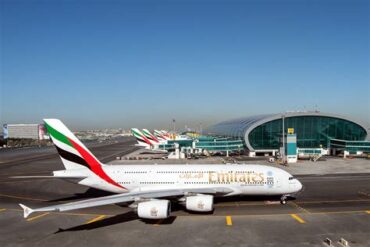
The TAT has confirmed that the current geopolitical climate is already having a detrimental effect on visitor numbers from the region. Popular Thai destinations, including Phuket, are experiencing a marked reduction in tourists from the Middle East. Several airlines, including Emirates, Etihad, Qatar Airways, Flydubai, Air Arabia, Oman Air, and SalamAir, have adjusted their flight routes to circumvent areas affected by the conflict, complicating travel plans for many potential visitors. The five key markets projected to face the most significant downturn in tourism are Iran, Iraq, Jordan, Lebanon, and Syria. Collectively, these nations account for approximately 7% of Thailand’s Middle Eastern arrivals. Given the current circumstances, the TAT anticipates a drop of up to 50% in tourist numbers from these countries.
The timing of this decline is particularly concerning as it coincides with Eid al-Adha, a peak travel period that typically attracts large numbers of visitors to Thailand. Last year, during this festive season, Thailand welcomed 7,165 tourists from the aforementioned markets. However, this year, projections indicate that only between 3,500 and 5,000 tourists are expected to visit during this significant holiday.

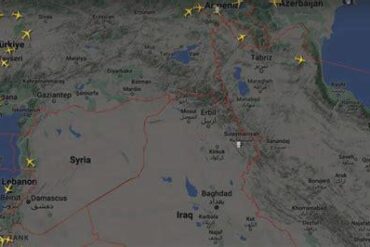
As a direct consequence of the ongoing Israel-Iran conflict, many airlines serving Thailand have adjusted their routes significantly. Well-known carriers such as Emirates, Etihad, and Qatar Airways have taken proactive measures to reroute flights to avoid conflict zones, creating further complications for travelers. Additionally, air travel disruptions caused by airspace restrictions have intensified the situation. Notably, Mahan Air from Iran has ceased its flights to Thailand entirely due to these closures, exacerbating the decline in Middle Eastern arrivals, particularly from Iran, which is among the hardest-hit markets.
Thailand’s popular tourist hotspots, including Bangkok, Pattaya, Phuket, and Chiang Mai, are expected to bear the brunt of this downturn in Middle Eastern arrivals. These cities have traditionally been favored by tourists from the region, and a decline in visitor numbers could have a profound impact on the hospitality and retail sectors that thrive on this influx. Despite the challenges, TAT officials remain cautiously optimistic about a potential rebound, anticipating that recovery may begin as early as July, assuming the political landscape stabilizes.
Looking ahead, the TAT is not abandoning its ambitious goals for 2025. Despite the current setbacks, the authority remains steadfast in its commitment to attract 1.06 million visitors from the Middle East by the end of the year, which would represent an 11% increase over 2024. With this goal in mind, Thailand aims to generate 86 billion THB (2.65 billion USD) in revenue from Middle Eastern tourism. The TAT is closely monitoring the evolving political situation and stands ready to adapt its strategies as necessary.
As Thailand’s tourism sector faces these formidable challenges, it is evident that the industry is resilient. Should the political tensions ease, a recovery in tourist arrivals could be feasible later this year, contingent upon airlines resuming normal operations and tourists regaining confidence in the safety of their travels.
In conclusion, the ongoing Israel-Iran conflict has wrought substantial disruptions to Thailand’s tourism landscape, particularly concerning arrivals from the Middle East. As the situation continues to evolve, the TAT remains vigilant and hopeful for a resurgence in tourism numbers once tensions diminish. For now, the immediate impact on key destinations like Phuket and Bangkok is being carefully monitored, and the industry must adapt to these new realities to regain momentum.