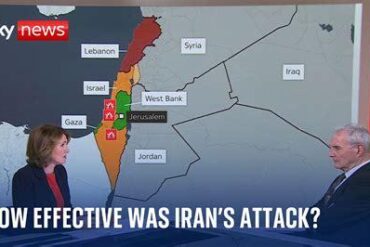
The escalating Israel-Iran conflict has sent shockwaves through the global aviation industry, as some of the world’s largest airlines, including Emirates, Qatar Airways, Qantas, Virgin Australia, United Airlines, and Air France, grapple with unprecedented flight disruptions. Widespread airspace closures, government warnings, and passenger uncertainty have left the skies over the Middle East a complex and volatile zone, severely impacting connectivity between continents.
Ripple Effect Across Major Airlines
The epicenter of the disruption lies in the Middle East, where strategic air corridors critical for Europe-Asia connectivity have become entangled in the geopolitical fallout of rising tensions between Israel and Iran.
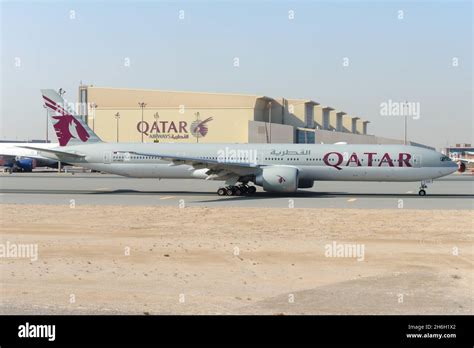
Qatar Airways, famed for its extensive global network and strategic positioning at Hamad International Airport in Doha, has been among the hardest hit. Reports indicate that 13% of flights at Hamad were cancelled, while an overwhelming 65% experienced significant delays, particularly after temporary airspace closures around Qatar. Although operations have partially resumed, the airline has issued advisories warning passengers to expect continued uncertainty.
Similarly, Virgin Australia—which partners closely with Qatar Airways on long-haul routes—has been forced to divert flights. Notably, two of its services bound for Doha from Sydney and Brisbane were rerouted to Bengaluru and Muscat, respectively. The complex patchwork of restricted airspace has forced airlines to chart alternative, lengthier routes, adding hours to flight times and causing ripple effects across schedules.
Qantas, Australia’s flagship carrier, has also been significantly affected. Its highly popular routes from Perth to Paris and London, part of the airline’s “Kangaroo Route” portfolio, have faced extensive diversions. With closures and restrictions impacting traditional flight paths, aircraft have been forced to detour across alternative corridors, further congesting already stressed airspace.
Emirates and Global Airlines Navigate the Crisis
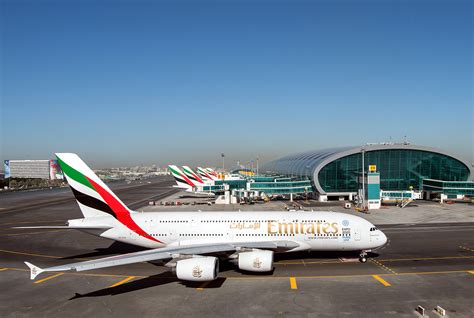
Emirates, the pride of the UAE and one of the world’s largest international carriers, continues to operate flights but has acknowledged rerouting some services to circumvent conflict zones. While striving to maintain schedule integrity, the airline has faced inevitable delays due to elongated flight paths designed to avoid risky regions.
The impact extends beyond the Middle East’s immediate borders. Singapore Airlines, United Airlines, American Airlines, and British Airways have all either suspended or modified flights traversing affected zones. With the Middle East serving as a pivotal hub for connecting flights between Europe, Asia, Africa, and Oceania, the reverberations of disrupted airspace are being felt globally.
Airspace Closures Increase Congestion and Fuel Costs
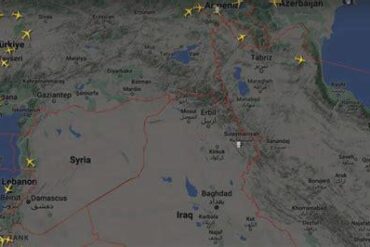
At the heart of the disruption are widespread airspace closures over Qatar, Iran, and segments of Iraq. The closure of these critical air corridors has triggered significant rerouting, forcing aircraft to navigate around restricted areas. This, in turn, has resulted in:
- Extended flight durations
- Increased fuel consumption
- Heightened operational costs for airlines
- Greater congestion in permitted airspace
- Amplified strain on air traffic control systems
Aviation analysts note that compressing more aircraft into fewer available airways significantly raises the risk of delays and increases complexity for air traffic controllers. In effect, the Middle East’s already congested airspace has become even more strained, exacerbating the global knock-on effects.
Government Warnings Escalate as Conflict Deepens
In response to the growing instability, governments worldwide have updated travel advisories, urging citizens to exercise caution. Australia’s Department of Foreign Affairs and Trade (DFAT), through its Smartraveller service, has raised its advisory level for Qatar, advising travelers to “exercise a high degree of caution” due to the unpredictable security environment.
The advisory reflects the growing concerns surrounding the escalating Israel-Iran conflict and its direct impact on civilian air travel. With the risk of further conflict flare-ups and rapid changes to airspace accessibility, travelers are being warned to stay informed and prepared for sudden itinerary disruptions.

Travel Insurance Premiums and Coverage Challenges
A critical, often overlooked consequence of the conflict is the expected surge in travel insurance premiums, particularly for passengers transiting through or originating from the Middle East. Insurance providers are rapidly reassessing risk exposure, with many factoring in:
- Heightened government advisories
- Increased likelihood of delays and cancellations
- Elevated geopolitical risks impacting safe transit
Travelers are urged to meticulously review their insurance policies. Notably, claims made following official government warnings may face exclusions, limiting compensation for cancellations, missed connections, or extended delays stemming from the current crisis.
Airlines Adapt with Contingency Measures
Despite the unprecedented challenges, airlines are working diligently to mitigate passenger inconvenience. Dubai International Airport, a critical global aviation hub, confirmed the reopening of its airspace after a temporary shutdown. Emirates has deployed flexible rebooking options and real-time flight status updates to assist affected travelers.
Meanwhile, Qatar Airways has reinforced ground operations at Hamad International Airport, deploying additional staff to support passengers facing delays or cancellations. The airline reiterates its unwavering focus on passenger and crew safety, emphasizing that operational adjustments will continue as the regional situation evolves.
Industry-Wide Challenges: Prolonged Uncertainty Looms
Aviation experts caution that the Israel-Iran conflict could have long-lasting effects on global air travel patterns. Beyond immediate delays and diversions, airlines must navigate complex logistical, financial, and regulatory obstacles, including:
- Reconfiguring flight schedules to accommodate longer, alternative routes
- Managing increased fuel and operational expenses
- Collaborating with aviation authorities to secure safe passage
- Providing transparent, real-time information to passengers
With airspace restrictions potentially shifting at short notice, carriers must adopt a flexible, adaptive approach to ensure safety while minimizing disruptions. The broader aviation ecosystem—comprising airlines, airports, air traffic control, and regulatory bodies—faces an uphill task in maintaining stability amid ongoing geopolitical volatility.
Essential Advice for Passengers Traveling Amid the Crisis
Travelers with upcoming itineraries involving the Middle East are advised to adopt a proactive, flexible mindset. Experts recommend:
- Regularly monitoring flight status through airline websites or mobile apps
- Reviewing government advisories for updated safety information
- Confirming comprehensive travel insurance coverage before departure
- Remaining patient and prepared for potential delays or re-routing
Critically, passengers are urged not to preemptively cancel flights unless advised by their carrier. Premature cancellations may limit rebooking options and reduce available support.
The Future of Air Travel Amid Middle East Instability
As the Israel-Iran conflict continues to unfold, the global aviation sector remains on high alert. The interconnected nature of international air travel means that disruptions in one region have far-reaching consequences for passengers and carriers worldwide.
While airlines such as Emirates, Qatar Airways, Qantas, and Virgin Australia strive to uphold service standards, the reality is that prolonged instability will likely shape air travel patterns for months to come. Governments, airlines, and passengers alike must navigate this turbulent period with heightened caution and adaptability.
Industry leaders emphasize the need for continued diplomatic efforts to de-escalate tensions, recognizing that sustained peace is the only true path to restoring normalcy in global aviation. Until then, the skies over the Middle East will remain fraught with complexity, and the world’s airlines must continue their delicate balancing act between safety, efficiency, and operational resilience.