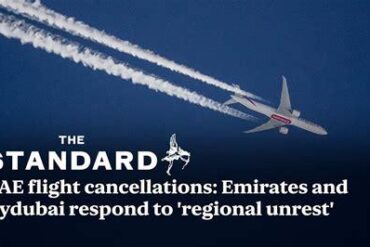
The escalating conflict between Israel and Iran has set off a domino effect across the global aviation industry, plunging major international travel hubs—Dubai, New York, London, Beirut, Tel Aviv, Doha, Tehran, Frankfurt, and Amman—into a phase of intensified disruption. Amid rising security threats, leading airlines including Emirates, Qatar Airways, Air France, KLM, Delta Airlines, United Airlines, and Lufthansa have been compelled to suspend, reroute, or cancel flights, triggering a travel crisis not seen since the COVID-era lockdowns.
Coordinated Airline Cancellations Shake Global Network
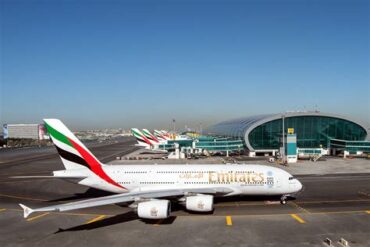
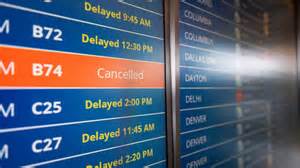
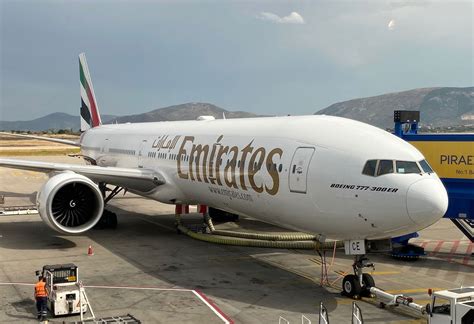
As violence intensifies across the Middle East, airlines are acting in lockstep to prioritize safety over scheduling. Emirates and Qatar Airways have suspended all flights to Tehran, Beirut, and Baghdad, citing heightened airspace volatility and direct risk to passenger aircraft. Simultaneously, Air France and KLM have pulled all scheduled services into Tel Aviv, indefinitely grounding their Paris and Amsterdam connections to Israel.
In North America, Delta Airlines and United Airlines have followed suit. Delta has ceased flights between New York (JFK) and Tel Aviv (TLV) through at least August 2025, while United has paused its Newark-Dubai service, disrupting a vital link for East-West transit through the Middle East.
Lufthansa and European Carriers Reroute to Avoid Conflict Zones
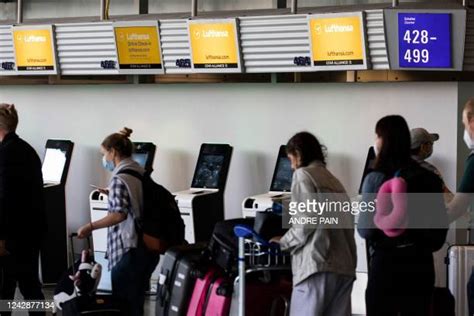
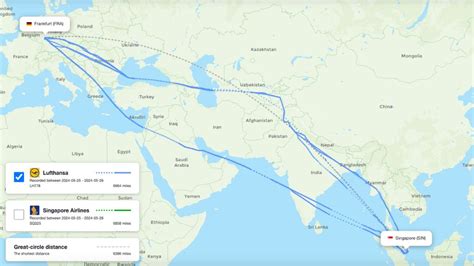
Lufthansa, Germany’s flagship carrier, has opted for precautionary rerouting over outright cancellations for many routes. While services to Tel Aviv, Beirut, and Tehran are suspended until end of July 2025, the airline is dynamically reconfiguring flight paths that usually traverse over Iraq and Syria. These evasive maneuvers, although costlier, are viewed as a necessary response to volatile aerial threats, including possible missile fire and surveillance interference.
FAA and EASA Airspace Advisories Intensify Airline Action
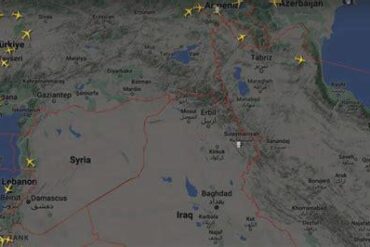
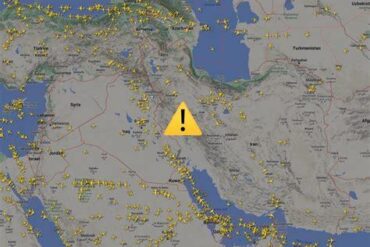
Both the Federal Aviation Administration (FAA) and the European Union Aviation Safety Agency (EASA) have released urgent directives urging commercial airlines to avoid the airspace over Iran, Iraq, Syria, and northern Israel. These warnings come in light of credible intelligence suggesting potential long-range missile launches, drone strikes, and hostile radar locking targeting civilian aircraft mistaken for military operations.
Airlines have responded with near-immediate compliance. Qatar Airways has altered Doha-to-Europe routes, avoiding Iran altogether, while Emirates has rerouted intercontinental services passing over the Persian Gulf corridor. Even airlines not directly serving Israel or Iran are adjusting their navigation systems to bypass any potentially compromised zones.
Tel Aviv and Beirut at the Eye of the Storm
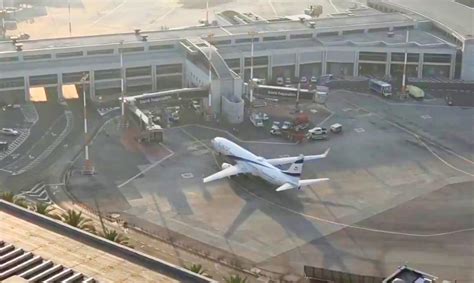
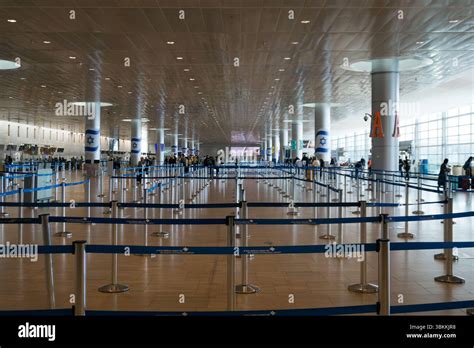
Few cities have seen as sharp an aviation shutdown as Tel Aviv and Beirut. These urban centers, formerly among the busiest air hubs in the region, now resemble ghost terminals as incoming and outgoing flights grind to a halt. In Tel Aviv, Ben Gurion Airport remains operational in a limited capacity, but with most international carriers halting service, capacity has shrunk by over 70% in a matter of weeks.
El Al and Government-Led Evacuations Underway
As commercial air traffic collapses, national carriers and governments are stepping in to evacuate stranded passengers. Israeli airline El Al has ramped up emergency operations, expanding routes to London, New York, and Athens to facilitate outbound travel for both citizens and tourists caught in the conflict zone.
Meanwhile, the U.S. Department of State has initiated a series of chartered evacuation flights. In coordination with European allies, flights are now regularly shuttling American nationals from Tel Aviv to Athens, with onward travel arranged via diplomatic assistance. Florida, spearheading a state-level rescue initiative in collaboration with Gray Bull Rescue, has already evacuated over 2,000 American citizens, delivering them to Tampa International Airport. This humanitarian operation is projected to cost upwards of $30 million and is ongoing.
Economic Toll on Global Airlines and Tourism Industry
The effects of the air travel freeze extend well beyond the tarmac. Airlines are absorbing millions in revenue losses daily, due to both grounded aircraft and longer, fuel-intensive alternate routes. Many had just begun to stabilize post-pandemic, only to be met with a new wave of instability.
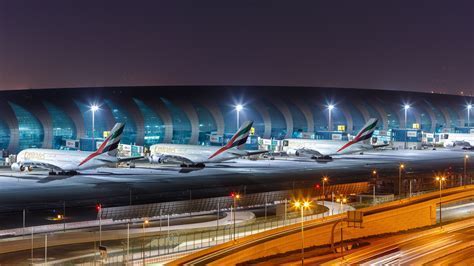
Tourism-dependent economies—Jordan, Lebanon, Israel, Iran, and parts of the Gulf—have been hit especially hard. Hotels in Beirut, once nearing full summer occupancy, report mass cancellations. In Dubai, where Emirates’ transit-based model drives economic activity, airport foot traffic has plummeted. Similarly, Qatar’s Doha Hamad International Airport is operating below capacity as transit passengers reroute through Istanbul, Cairo, and Athens.
A Surge in Airspace Congestion Elsewhere
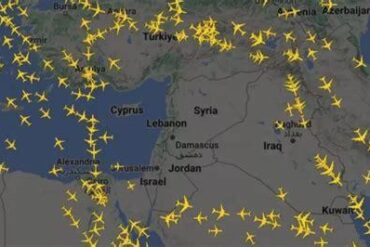
The consequence of Middle Eastern airspace closures is that European, Asian, and African flight corridors are now congested. Overflight traffic has spiked over Turkey, Egypt, and Greece, with Athens and Istanbul now becoming alternative transit megahubs. Airlines are vying for access to these safe zones, negotiating additional slots with regional aviation authorities.
In parallel, Russia’s complex airspace limitations, already affected by Ukraine-related sanctions, further compound the challenge. The global aviation map is now skewed, with traffic bottlenecks emerging in areas previously considered secondary.
Aviation Industry Unity and Coordinated Response
What sets this disruption apart is the unprecedented coordination between rival airlines. Emirates and Qatar Airways, historically locked in competitive standoffs, have exchanged route intelligence and safety resources. Air France and KLM, part of the SkyTeam alliance, are working closely with Delta and United, members of the rival Star Alliance and SkyTeam, to standardize safety practices and avoid duplicated evacuation efforts.
This level of cross-alliance cooperation reflects a broader industry philosophy: safety transcends competition. Executives from these airlines have participated in near-daily crisis calls organized by the International Air Transport Association (IATA), which is centralizing updates and harmonizing route planning data.
Traveler Guidance and Next Steps
For passengers scheduled to travel to, from, or over the Middle East, the recommendation is clear: check with your airline daily. Many carriers are offering free rebooking, full refunds, or alternative routes for affected flights. Travelers are also encouraged to register with embassy services, especially in regions where diplomatic evacuation may become necessary.
In terms of industry projections, experts warn that normalization could take months. Even if hostilities subside, airspace risk assessments, insurance coverage issues, and regulatory clearance will remain complex barriers to resuming full operations.
Conclusion: A Test of Resilience for Global Aviation
The current crisis is a sobering reminder of aviation’s vulnerability to geopolitical instability. In the interconnected era of global travel, a regional conflict can bring worldwide disruption within days. The airline industry’s response—marked by coordination, rapid decision-making, and a clear focus on human safety—has mitigated what could have become a catastrophic aviation event.
As the situation evolves, the role of government agencies, airline alliances, and international aviation watchdogs will be vital. For now, the skies over the Middle East remain a battleground—not just of politics, but of aviation safety, operational logistics, and international diplomacy.