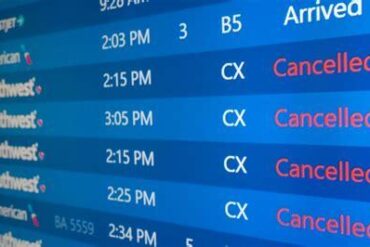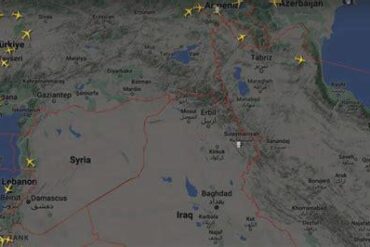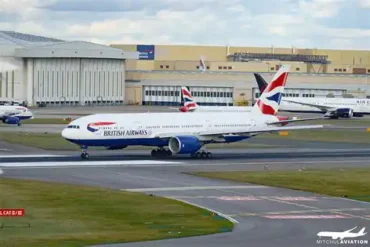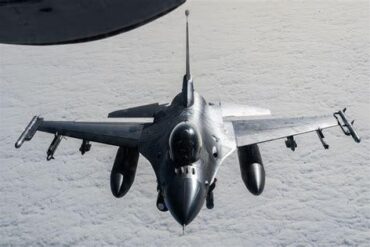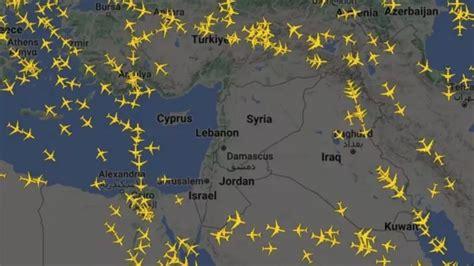
The Middle East is grappling with unprecedented aviation chaos as escalating hostilities between Israel and Iran have led to the cancellation and delay of over 700 flights across the region. Major international airlines, including British Airways, Emirates, Qatar Airways, Air France, Air China, and United Airlines, have been forced to suspend or reroute operations at key airports such as Ben Gurion International (Israel), Dubai International (UAE), Sharjah International (UAE), and Queen Alia International in Amman (Jordan).
Ben Gurion Airport: Epicenter of the Collapse
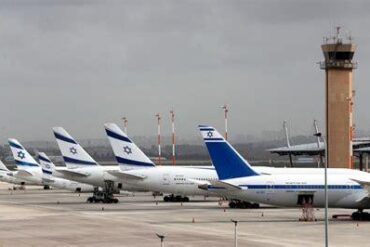
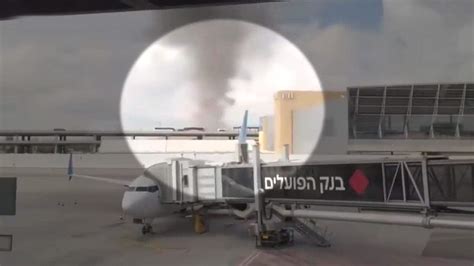
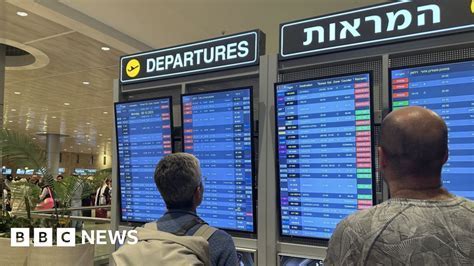
At the heart of the disruption lies Ben Gurion International Airport in Tel Aviv, which has seen a complete shutdown of civilian air traffic. As missile exchanges intensify between Israel and Iran, Israeli authorities suspended all commercial flights effective immediately. On Monday alone, 200 flights were canceled, including:
- 74% of all El Al departures
- 90% of KlasJet flights
- Total suspension by carriers such as Etihad, Delta, Georgian Airways, and Hainan Airlines
El Al, Israel’s national airline, has halted all flights through June 19, and extended cancellations on numerous routes — from Berlin to Tokyo, Barcelona to Mykonos — through June 23.
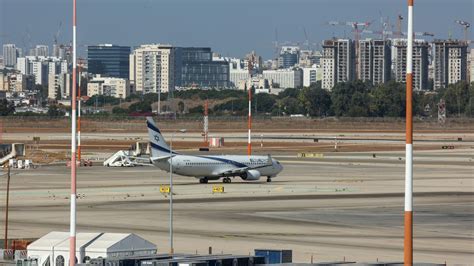
United Airlines and Delta Air Lines have suspended routes to Tel Aviv into late July and August, respectively, as safety risks continue to mount.
Dubai and Sharjah Under Strain from Rerouted Flights
While the UAE’s airspace remains technically open, the strain on its two major airports — Dubai International and Sharjah International — has grown severe. Dubai saw 344 delays and 58 cancellations, heavily affecting both Emirates and FlyDubai operations. Emirates alone delayed more than 145 services, while FlyDubai canceled 42 flights and delayed 107 more.
Services to Amman, Beirut, Baghdad, and Basra have been temporarily suspended by Emirates through June 30, while Tel Aviv flights remain indefinitely canceled. Other carriers, including Air India Express, British Airways, and SpiceJet, reported significant operational delays as well.
Mahan Air, Iran Air, and Iraqi Airways have pulled all services due to heightened airspace volatility and air traffic control limitations.
Amman’s Queen Alia International: Ripple Effects Intensify
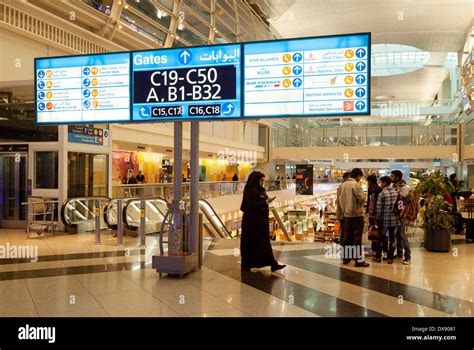
The conflict’s reverberations are keenly felt in Jordan, where Queen Alia International Airport recorded 50 cancellations and 19 delays. Royal Jordanian took the brunt of it, with 17 flights canceled and 11 delayed. Other affected airlines include:
- Ryanair: 8 cancellations
- Emirates: 3 cancellations
- Saudia, Pegasus, and Air Arabia: Multiple suspensions
Jordan’s proximity to Israel and Iraq puts it squarely in the line of potential missile activity and forces carriers to avoid newly restricted air corridors.
Sharjah: Low-Cost Travel Hub Suffers Sharp Impact
The Sharjah International Airport, a core base for low-cost airline Air Arabia, saw 27 cancellations and 36 delays — with Air Arabia accounting for all of the canceled flights. Though UAE airspace remains open, Sharjah’s geographic closeness to conflict zones has significantly strained operational capacity.
Other regional players such as IndiGo, Pakistan International Airlines, and Fly Jinnah reported increasing delays, compounding the wider network paralysis.
Airlines Around the Globe Take Precautionary Measures
The response from global airlines has been swift and sweeping. Qatar Airways canceled routes to Iran, Iraq, and Syria, while Etihad Airways paused its Abu Dhabi–Tel Aviv services until June 22.
Air France and Lufthansa withdrew all flights to Tel Aviv and Tehran, with Lufthansa halting operations in Amman, Erbil, and Beirut through at least June 20.
British Airways, easyJet, and Ryanair fully suspended operations to Israel, citing government warnings and elevated threat levels.
Humanitarian Crisis: 40,000 Tourists Stranded in Israel
The air shutdown has left over 40,000 tourists trapped in Israel, unable to depart as commercial aviation grinds to a halt. In cities like Jerusalem and Tel Aviv, the sound of air raid sirens has replaced that of bustling tourism.
Historic sites lie shuttered, events like the Tel Aviv Pride Parade have been canceled, and access to the Old City has been restricted. Hotels are overwhelmed, border crossings into Jordan are congested and uncertain, and public transportation is partially suspended.
The Ministry of Tourism has activated a 24/7 help desk, but the sheer scale of the crisis is pushing both tourists and infrastructure to their limits.
Travel Warnings and Global Government Advisories
In response to the growing volatility, numerous governments have issued strict travel advisories:
- The UK Foreign Office warns citizens to avoid all travel to Israel.
- France and Germany advise against non-essential travel to Israel and Iran.
- U.S. authorities urge heightened vigilance for citizens in Middle East regions.
These advisories reflect deepening concern about the spillover potential of the Israel-Iran conflict. The consensus across foreign ministries is that the situation could deteriorate without notice.
Summary of Airport Impacts
Ben Gurion International (Israel):
- 200 flights canceled
- Airport fully shut for civilian flights
- Major airlines affected: El Al, Delta, United, KlasJet, Etihad
Dubai International (UAE):
- 58 cancellations, 344 delays
- Major impact: Emirates (145 delays), FlyDubai (42 cancellations)
Sharjah International (UAE):
- 27 cancellations, 36 delays
- Air Arabia: 100% of cancellations
Queen Alia International (Amman, Jordan):
- 50 cancellations, 19 delays
- Heavy impacts on Royal Jordanian, Ryanair, Saudia, Emirates
The Broader Consequences for Global Aviation
The events unfolding across the Middle East do not represent a temporary hiccup in air travel—they mark a historic breakdown of regional air connectivity. As airlines redraw their flight maps and passengers struggle with uncertainty, the entire aviation ecosystem is confronting a new era of conflict-induced rerouting and operational volatility.
Key travel corridors through the Levant and Gulf are now marked with caution, no-fly zones, and conditional route approvals. Insurers are adjusting risk thresholds, and airline operations teams are scrambling to adapt to evolving advisories.
The real question now is how long the crisis will last and what long-term implications it will have on the Middle East’s status as a global transit hub.
As more airlines cancel routes and governments raise alert levels, passengers are urged to maintain constant contact with carriers, reconsider travel plans, and prepare for continued instability. The aviation turbulence triggered by the Israel-Iran conflict is no longer a localized issue—it is a global flashpoint shaking the foundations of international air travel.