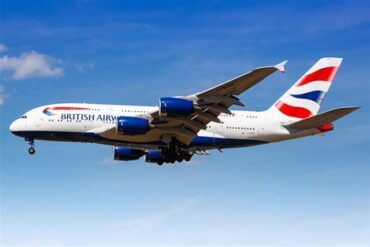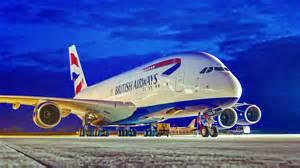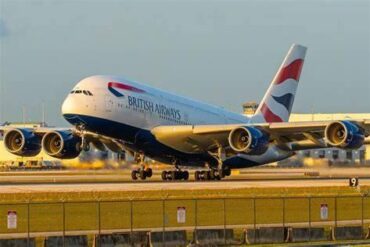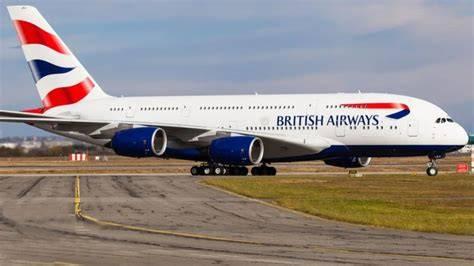
British Airways is preparing for a significant reduction in its Airbus A380 operations during the upcoming winter season, cutting superjumbo flights by 28% compared with the previous year. The change is not a sign that the airline is abandoning the world’s largest passenger aircraft, but rather a temporary adjustment driven by an extensive cabin modernization program.
The airline operates 12 Airbus A380 aircraft, making it one of the largest A380 operators worldwide. Since the first aircraft arrived in July 2013, each aircraft has featured a 469-seat configuration. However, British Airways is now transforming its fleet with a more premium-focused layout featuring 421 seats, increasing business-class capacity while reducing economy seating.
This cabin transformation will influence where the A380 is deployed, as the aircraft becomes better suited for routes with strong premium demand rather than simply high passenger volume.
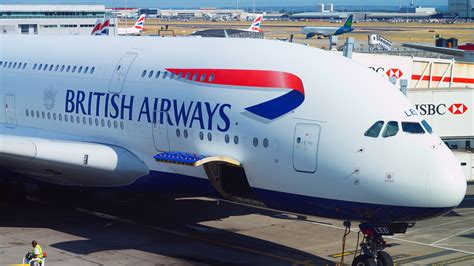
British Airways A380 Flights Decline Across Several Long-Haul Routes
Between November 2026 and February 2027, British Airways plans to operate approximately 600 Airbus A380 departures from London Heathrow Airport (LHR). This represents an average of five daily departures, covering four international routes.
The affected network reflects a major shift from the previous winter schedule. During the same period a year earlier, British Airways used the A380 on six routes, including services to Dubai, Johannesburg, Los Angeles, Miami, San Francisco, and Washington Dulles.
The revised schedule removes several destinations from A380 service, although some routes will continue to receive other widebody aircraft such as the Boeing 787 Dreamliner and Boeing 777 family.
The remaining A380 routes are:
- London Heathrow to Miami International Airport: Two daily A380 flights, with the aircraft operating all services on the route.
- London Heathrow to Johannesburg O. R. Tambo International Airport: Daily A380 service, representing half of British Airways flights on the route.
- London Heathrow to San Francisco International Airport: Daily A380 service, alongside Boeing 777 operations.
- London Heathrow to Singapore Changi Airport: Daily A380 service, with additional flights operated by Boeing 777 aircraft.
The return of the A380 to Singapore is particularly notable. The aircraft last operated the route in May 2025 before returning in September 2026, placing the city among a select group of destinations receiving British Airways’ largest aircraft.
Premium Cabin Upgrade Changes How British Airways Uses the Superjumbo
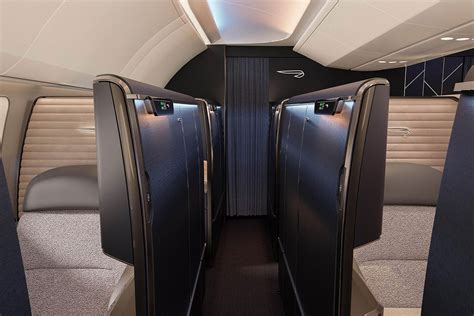
The reduction in A380 flights is closely connected to British Airways’ decision to redesign its aircraft interiors. The airline is moving away from the traditional high-capacity configuration and creating a more premium experience with additional Club World business-class seats.
For airlines operating very large aircraft, profitability increasingly depends on premium passengers. A380s require significant demand because of their size, but routes with strong business and luxury travel markets can generate higher revenue.
British Airways has already demonstrated this strategy by using the A380 on routes where premium demand is consistently strong. Destinations such as Miami, San Francisco, Johannesburg, and Singapore attract substantial corporate, leisure, and connecting traffic.
The reconfigured aircraft will therefore likely become a more specialized tool within the British Airways fleet rather than a simple high-capacity replacement for smaller aircraft.
British Airways Falls in Global A380 Flight Rankings
The temporary reduction also changes British Airways’ position among the world’s largest A380 operators. From November 2026 to February 2027, the airline will become the sixth-largest A380 operator by scheduled departures.
British Airways previously ranked higher during the same months in the previous year but has fallen behind several competitors as its aircraft undergo refurbishment.
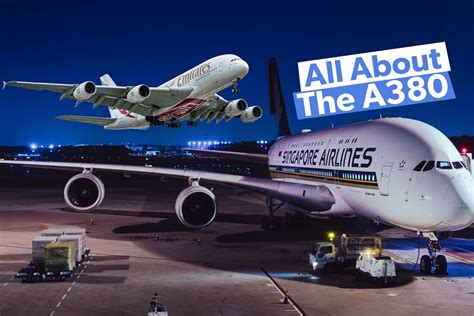
During the winter period, estimated A380 departures from airline hubs include:
| Airline | Average Daily A380 Departures | Change Compared With Previous Period |
|---|---|---|
| Emirates | 167 | +5% |
| Singapore Airlines | 9 | +25% |
| Etihad Airways | 5.7 | +2% |
| Qantas | 4.2 | +10% |
| Qatar Airways | 5.1 | -19% |
| British Airways | 5 | -28% |
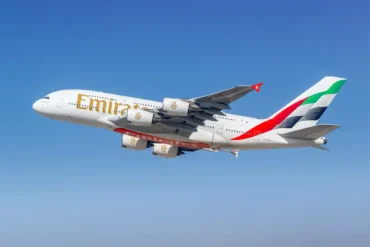
The global A380 market remains heavily influenced by Emirates, which operates the largest A380 fleet in the world. With more than 100 superjumbos, Emirates accounts for the majority of worldwide A380 activity.
British Airways’ share of global A380 flights will fall to around 4%, compared with approximately 6% previously. However, the decline is expected to be temporary while aircraft are removed from service for upgrades.
Airbus A380 Remains Important to British Airways’ Heathrow Strategy
Although the A380 schedule is smaller, the aircraft will continue to play an important role in British Airways’ Heathrow network. The airline operates a diverse widebody fleet including the Airbus A350-1000, Boeing 787-8, 787-9, 787-10, 777-200ER, and 777-300ER.
During the winter period, British Airways expects around 329 daily departures from Heathrow, with approximately 83 operated by widebody aircraft. The A380 will represent about one out of every 17 twin-aisle departures, compared with roughly one out of every 12 previously.
The reduction highlights how airlines are changing their approach to the A380. Instead of maximizing passenger numbers, carriers are increasingly focusing on premium revenue, improved passenger experience, and strategic route selection.
British Airways’ Airbus A380 fleet is therefore entering a new phase. The aircraft will fly fewer routes, but the routes it serves will better match its upgraded cabin design and the airline’s long-term premium strategy.