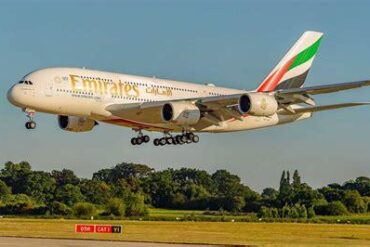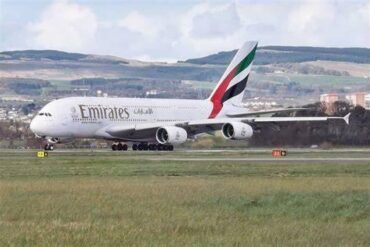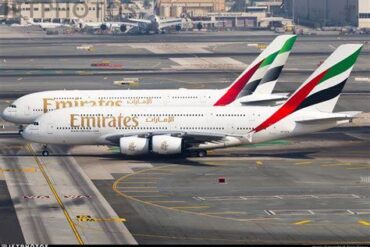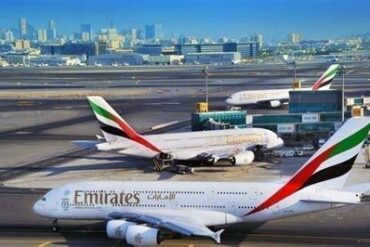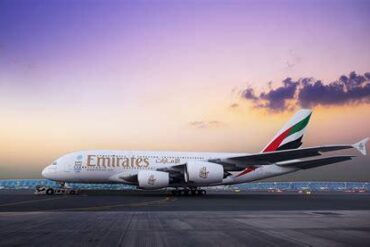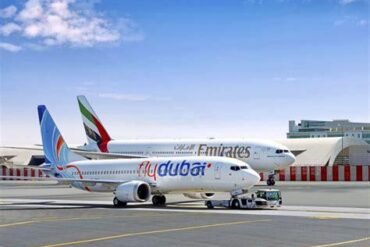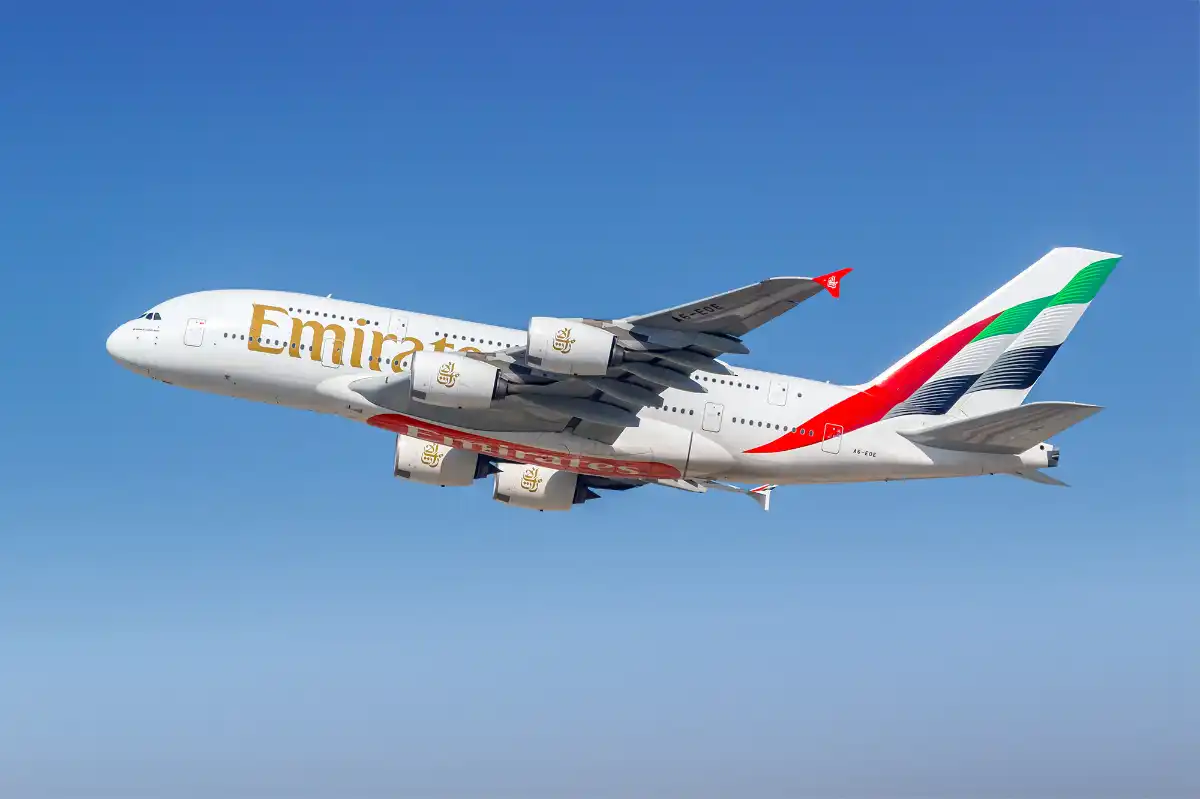
Emirates has temporarily suspended Airbus A380 operations on 11 major international routes, a significant reduction for the world’s largest operator of the iconic double-decker aircraft. The move affects destinations across Europe, Asia-Pacific, and North America as the Dubai-based carrier continues fleet reconfiguration programs while also navigating operational challenges linked to regional instability in the Middle East.
According to current schedule data, Emirates is operating substantially fewer A380 flights than during the same period last year. While the carrier remains the dominant Airbus A380 operator globally, dozens of aircraft are currently unavailable due to planned maintenance, cabin refurbishment projects, and operational disruptions that have impacted fleet deployment flexibility.
Emirates Scales Back Airbus A380 Network in June
The Airbus A380 has long been the flagship of Emirates’ long-haul network, serving some of the airline’s highest-demand destinations. However, June has seen a notable contraction in A380 operations from Dubai International Airport, with the airline reducing superjumbo deployment across several major markets.
The reduction comes as Emirates continues converting portions of its fleet into updated cabin layouts featuring Premium Economy seating. At the same time, ongoing geopolitical tensions affecting regional airspace have forced airlines throughout the Gulf region to reassess schedules and aircraft allocations.
As a result, several routes that traditionally relied on daily or multiple daily A380 frequencies are temporarily being operated by smaller Boeing 777 variants or other aircraft types.
Eight European Airports Lose Emirates A380 Service
Europe accounts for the majority of the affected destinations. Eight airports across the continent are currently without regular Emirates A380 operations for most or all of June.
The impacted airports include Copenhagen, Düsseldorf, Frankfurt, Glasgow, London Gatwick, Manchester, Munich, and Prague. While some routes continued receiving limited A380 service during the first days of June, the aircraft has since been withdrawn from scheduled operations for the remainder of the month or until planned reinstatement dates.
The suspension is particularly noticeable at airports such as Manchester and London Gatwick, where Emirates historically deployed multiple daily A380 flights to accommodate strong leisure and connecting traffic demand.
Several of these routes previously utilized Emirates’ high-density 615-seat Airbus A380 configuration, the largest passenger layout operated on the aircraft anywhere in the world.
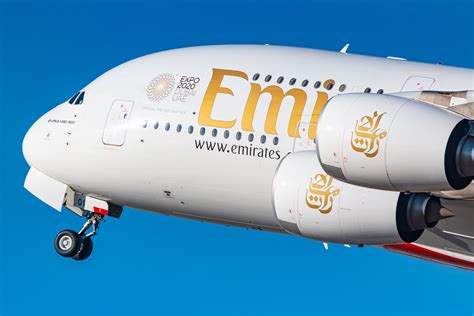
The 615-seat version was specifically designed for markets with exceptionally strong passenger volumes but comparatively lower premium-cabin demand. While the configuration maximized capacity, Emirates is gradually phasing it out in favor of newer three-class and four-class layouts that incorporate Premium Economy cabins.
This transition reflects broader industry trends, as airlines increasingly prioritize revenue optimization and premium passenger experiences rather than purely maximizing seat counts.
Routes Scheduled to Regain A380 Operations
Current schedules indicate that most affected European destinations are expected to see Airbus A380 service return by late June or early July.
Düsseldorf is presently scheduled to regain daily A380 operations on June 26. Meanwhile, Copenhagen, Frankfurt, Glasgow, London Gatwick, Manchester, Munich, and Prague are all expected to welcome the aircraft back beginning July 1, subject to operational adjustments.
The planned July schedules suggest Emirates intends to restore substantial capacity across these markets. Manchester is expected to receive as many as three daily A380 flights, while London Gatwick is scheduled for twice-daily superjumbo operations.
Such rapid reinstatements indicate that the suspensions are primarily temporary operational measures rather than permanent network changes.
Osaka and Perth Also See Temporary A380 Withdrawal
Outside Europe, Emirates has suspended Airbus A380 operations to two important Asia-Pacific destinations: Osaka Kansai International Airport in Japan and Perth Airport in Western Australia.
Both routes last saw regular A380 service in March before Emirates substituted smaller aircraft. Since then, Boeing 777-300ERs and other widebody aircraft have handled passenger demand.
Osaka represents one of Emirates’ most important gateways in Japan and has traditionally benefited from strong inbound tourism and business travel flows. Perth, meanwhile, serves as a crucial connection point between Australia and Europe through Dubai.
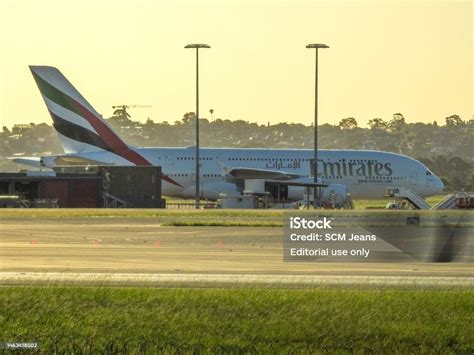
Despite the temporary withdrawal, both destinations are expected to regain daily Airbus A380 service beginning July 1.
Interestingly, Emirates plans to deploy its 468-seat Airbus A380 configuration on these routes. This version offers one of the airline’s most premium-heavy cabin arrangements, featuring fewer economy seats and a greater emphasis on premium travel products.
For Perth, the aircraft’s return reflects the continued importance of Australia within Emirates’ global network strategy. Historical booking data has consistently shown strong connecting demand between Perth and European destinations via Dubai.
Washington Dulles Remains Without Superjumbo Service
The final route affected by the suspension program is Washington Dulles International Airport near the United States capital.
Like several other destinations on the list, Washington Dulles last hosted Emirates’ Airbus A380 in March. Since then, the airline has relied on Boeing 777-300ER aircraft to maintain service levels.
The shift represents a significant change for travelers accustomed to Emirates’ flagship onboard experience, including the A380’s renowned first-class suites, onboard lounge, and spacious cabin environment.
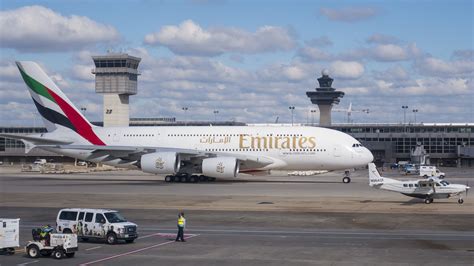
Current schedules indicate the superjumbo will return to Washington on July 1. Emirates plans to operate the route using a 489-seat three-class configuration featuring First Class, Business Class, and Economy Class cabins.
Unlike some other destinations receiving newly refurbished four-class aircraft with Premium Economy, Washington is not currently scheduled to receive that upgraded configuration.
Why Emirates Is Reshaping Its A380 Deployment
The temporary suspension of Airbus A380 flights across 11 routes highlights the complex balancing act facing Emirates as it manages the world’s largest superjumbo fleet.
The airline is simultaneously modernizing cabins, optimizing aircraft utilization, and adapting to evolving market conditions. Fleet refurbishment projects continue to remove aircraft from active service for extended periods, while regional geopolitical developments have further complicated operational planning.
Despite the current reductions, Emirates remains firmly committed to the Airbus A380. The carrier continues investing heavily in cabin upgrades and intends to keep the aircraft at the center of its long-haul strategy for years to come.
The planned return of A380 service to nearly all affected destinations by early July underscores that these suspensions are largely temporary. Once refurbishment schedules and operational constraints ease, Emirates appears ready to restore much of the superjumbo capacity that has made the airline synonymous with the Airbus A380 for more than a decade.