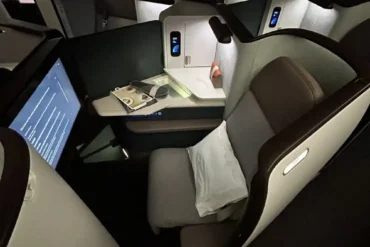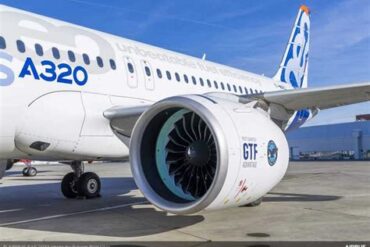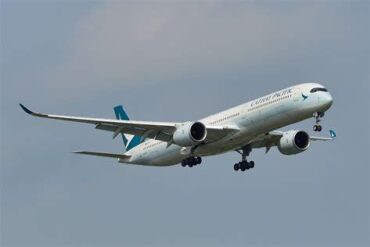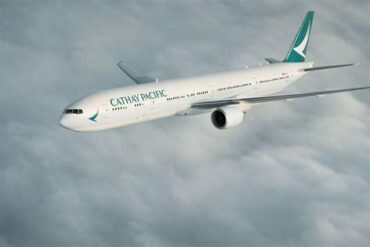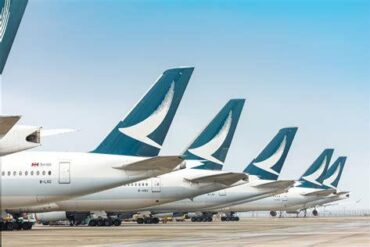
Cathay Pacific is making an unusual decision with its Airbus A321neo fleet: instead of squeezing in more passengers, the Hong Kong-based airline is taking seats out. The carrier plans to remove seven economy seats from each aircraft, reducing total capacity from 202 to 195 seats while leaving its 12-seat business-class cabin unchanged. At a time when airlines are increasingly looking for ways to maximize narrowbody capacity, Cathay’s decision stands out as a deliberate investment in passenger comfort and onboard service.
The change is particularly interesting because Cathay is not working with an aging aircraft type. Its A321neos are among the youngest aircraft in its fleet, with the first arriving in 2021. The existing aircraft average only about 3.7 years old, according to fleet data cited in the reference material. Normally, an airline might wait until an aircraft undergoes a major refurbishment before making a substantial cabin redesign. Cathay, however, has concluded that the original layout does not deliver the experience it now wants from its regional narrowbody aircraft.
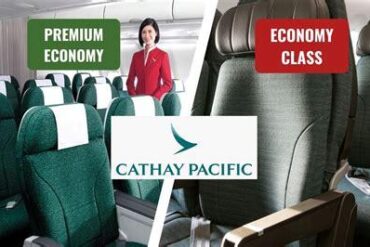
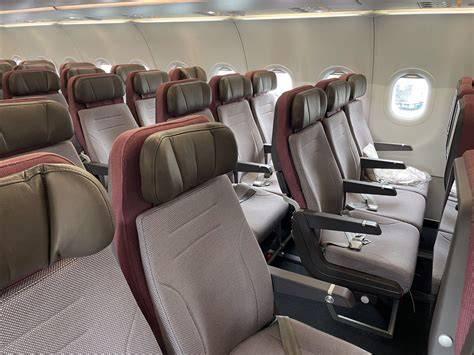
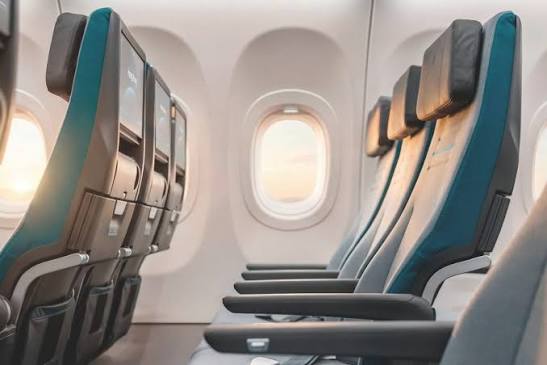
The biggest beneficiary will be economy passengers. Cathay currently provides approximately 30 inches of seat pitch in A321neo economy, but the revised configuration will increase this to at least 31 inches. One inch may sound insignificant on paper, yet in the tightly packed environment of an aircraft cabin, even a modest increase can make a noticeable difference during a longer regional flight. The change also reduces the gap between the A321neo and Cathay’s larger Airbus A350, where economy-class seat pitch is around 32 inches.
Cathay Pacific A321neo Loses Seven Economy Seats
Under the new configuration, Cathay Pacific’s A321neo will move from 202 seats to 195 seats. Business class remains at 12 seats, meaning the entire reduction comes from economy, which falls from 190 seats to 183. For an airline, seven seats might appear to be a relatively small number, but those seats represent potential revenue on every flight. Removing them therefore requires a clear business justification.
The redesign appears to be closely connected to changes in the aircraft’s emergency-exit arrangement. In the original cabin, one set of exit rows was positioned toward the middle of the aircraft while another was located farther toward the rear. The revised arrangement brings both sets of exit rows into the mid-cabin area, creating opportunities to redistribute seating space and rethink the rear section.
That makes the project more than a simple seat-removal exercise. Cathay is using the opportunity to redesign the cabin around passenger comfort and crew requirements rather than merely leaving empty space where seven seats once stood. The result is intended to make the aircraft feel more spacious while simultaneously improving the working environment for cabin crew.
The distinction is important because seat pitch does not represent the exact amount of usable legroom available to a passenger. It measures the distance between corresponding points on adjacent seats. Still, increasing pitch from 30 to at least 31 inches provides a measurable improvement in the physical spacing between rows and should make the economy cabin feel less constrained.
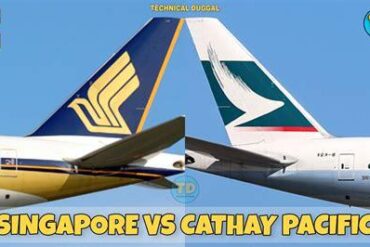
For Cathay, that extra space could also strengthen its competitive position on regional routes. Singapore Airlines offers approximately 30 inches of economy seat pitch on its Boeing 737-8 aircraft, while Malaysia Airlines provides a similar figure on its Boeing narrowbody fleet. Cathay’s revised A321neo cabin will therefore give it an opportunity to position itself more strongly on comfort rather than attempting to win solely through capacity.
Why Cathay Is Removing Seats While Airlines Chase Capacity
The timing of Cathay’s decision is perhaps the most intriguing part of the story. Across the aviation industry, airlines are generally interested in increasing the number of seats carried by narrowbody aircraft. New-generation models such as the Airbus A321neo offer excellent economics, long range and high passenger capacity, making them especially valuable for airlines trying to grow networks without relying exclusively on widebody aircraft.
More seats can mean more revenue, particularly when an aircraft operates multiple sectors each day. The economics of a seven-seat reduction therefore deserve attention. Cathay is effectively giving up some potential revenue in exchange for a different kind of value: better passenger satisfaction, improved service delivery and a more coherent premium brand experience.
That is a difficult calculation for any airline. A seat is a revenue-generating asset, and removing seven of them means that the carrier has deliberately decided that the expected benefits of the redesigned cabin outweigh the income those seats could produce. Cathay’s customer experience leadership has described the decision as a difficult one, reinforcing just how unusual it is.
Yet Cathay is not positioning the change simply as a comfort upgrade. The airline is also redesigning the rear galley and lavatory area, which could improve the overall quality of the flight. More efficient use of the available cabin space should allow crew members to prepare meals more effectively while giving passengers access to larger lavatory facilities.
This is where the strategy becomes more compelling. Cathay is sacrificing a small amount of passenger capacity to improve several parts of the onboard experience simultaneously. The airline can provide additional legroom, create more usable galley space, enlarge lavatories and potentially improve meal service without increasing the physical size of the aircraft.
A321neo Cabin Redesign Gives Cathay More Galley Space
The rear of Cathay Pacific’s A321neo cabin is undergoing a particularly notable transformation. Previously, two of the aircraft’s four lavatories were positioned within the rear galley area, while another was located immediately forward of the aft doors.
After the retrofit, the three lavatories serving the rear economy cabin will be positioned in front of the aft doors. The galley and lavatory at the front of the aircraft will remain unchanged. According to the reference material, the new arrangement eliminates two of the original cramped lavatory cubicles and provides larger toilets throughout the aircraft.
For passengers, larger lavatories may not sound as significant as additional seat pitch, but they can materially improve the perception of cabin quality. Narrowbody aircraft often force airlines to make difficult compromises between seats, galleys, lavatories and service areas. Cathay is using seven fewer seats to create additional flexibility in exactly these areas.
The extra galley space could be equally important. Cathay has indicated that the revised arrangement will help its crews prepare meals and deliver service more effectively. The airline has specifically linked the additional galley capacity with its ambition to elevate the dining proposition and offer passengers more.
That suggests the A321neo redesign is not purely an ergonomic project. It is part of a broader attempt to make Cathay’s narrowbody product feel more consistent with the experience associated with its long-haul operation. A passenger may not consciously calculate the dimensions of a galley, but they will notice when meals arrive more smoothly, service feels less rushed and the cabin environment appears better organized.
Cathay’s Young A321neo Fleet Was Never Designed for This Role
One of the most important explanations for the unusual retrofit program lies in the history of Cathay Pacific’s A321neo fleet. The aircraft were not originally intended to enter service in exactly the role they now occupy within Cathay Pacific.
Cathay Dragon, Cathay Pacific’s former regional subsidiary, had originally been associated with the A321neo order. Cathay Pacific placed an order for 32 A321neos in September 2017, with the aircraft intended to replace and modernize Cathay Dragon’s Airbus A320 and A321 fleet.
The pandemic fundamentally changed that plan. Cathay Dragon was shut down in October 2020 as part of Cathay Pacific’s restructuring during the aviation crisis. Aircraft, routes and other assets were subsequently absorbed into the wider Cathay Pacific operation, including the A321neo order.
That history helps explain why Cathay is now making such a significant change to aircraft that are barely a few years old. The airline inherited a cabin concept that had been developed for a different operating structure and a different passenger proposition. Rather than accepting that configuration permanently, Cathay is now adapting the aircraft to its current strategy.
In other words, the retrofit is not necessarily an admission that the A321neo itself was a mistake. Instead, it reflects the fact that the aircraft entered a different airline environment than originally anticipated.
All Cathay Pacific A321neos Will Eventually Receive the New Interior
Cathay is not limiting the new configuration to a handful of aircraft. The carrier intends to apply the changes across its A321neo fleet, meaning passengers should gradually see the revised cabin become standard across the type.
The first aircraft featuring the updated interior is tied to a new A321neo delivery, while Cathay plans to retrofit the aircraft it already operates. The airline had 16 A321neos in its fleet at the time covered by the reference material, with another 14 aircraft still on order at the end of 2025.
The remaining aircraft are expected to arrive with the latest cabin arrangement from the factory. Three were scheduled for delivery during the current year, followed by eight in 2027 and another three in 2028 or later. This means Cathay can gradually establish a consistent A321neo product without having to wait for the entire fleet to age into a traditional refurbishment cycle.
The retrofit of the first 16 aircraft is particularly significant because it demonstrates how strongly Cathay views the new layout. Instead of allowing older configurations to remain in service indefinitely, the airline plans to bring them into line with the new aircraft.
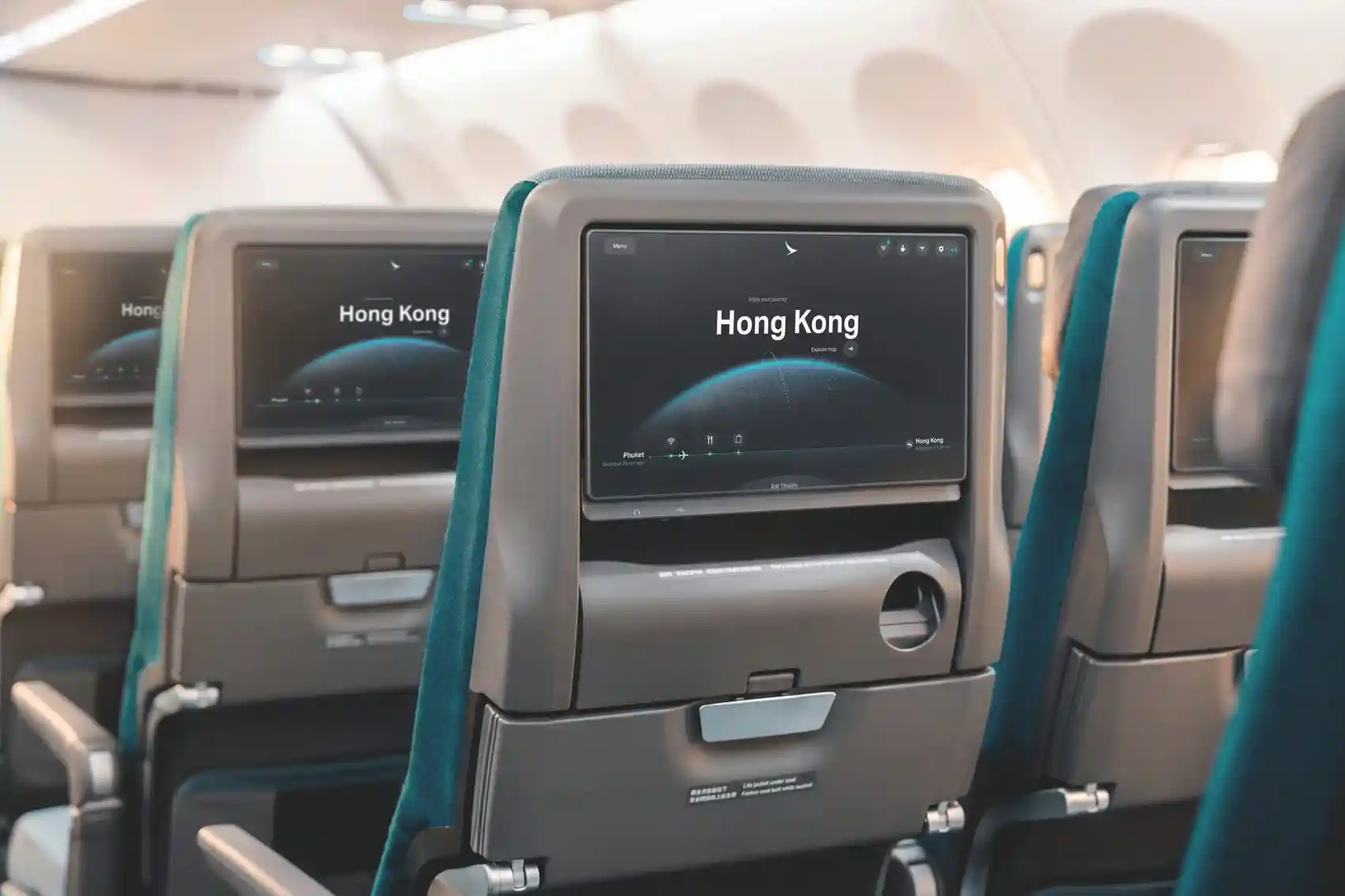
The program will also reportedly include refreshed seat designs and new inflight entertainment systems, giving the project a broader scope than simply removing seven seats. Passengers may therefore experience a noticeably refreshed cabin even though the underlying aircraft remains relatively young.
Customer and Crew Feedback Drove the Cathay A321neo Changes
Cathay Pacific has pointed directly to customer feedback as one of the reasons for the redesign. That detail is important because airlines frequently discuss customer experience while simultaneously adding seats and reducing physical space. Cathay is taking the opposite approach.
The airline has said it listened to passengers as part of its effort to deliver a more comfortable and enjoyable experience. The additional inch of seat pitch is therefore not an isolated technical modification. It represents a response to what customers actually experience inside the cabin.
Crew feedback has also played a major role. Cabin crew members have firsthand knowledge of how difficult it can be to operate a service efficiently when galley space is constrained and cabin layouts create bottlenecks. By improving the rear service area, Cathay is attempting to make the aircraft better for the people working onboard as well as those sitting in the seats.
That creates an interesting feedback loop. Passengers want more space and better service, while crews need more usable working space to provide that service. Removing seven seats gives Cathay a way to address both requirements at the same time.
The strategy also fits Cathay Pacific’s broader positioning. The airline competes in a region where passengers have access to several highly regarded full-service carriers. Singapore Airlines, Malaysia Airlines, China Airlines and Starlux all operate modern narrowbody aircraft on regional routes, making cabin comfort an important part of the competitive equation.
What Cathay’s Seven-Seat Decision Means for Airline Cabin Design
Cathay Pacific’s A321neo retrofit may ultimately prove more interesting than its modest seven-seat reduction suggests. The decision challenges the assumption that the most efficient aircraft cabin is always the one containing the greatest possible number of passengers.
For a carrier such as Cathay, efficiency has to include more than seat count. An aircraft that can deliver a better meal service, provide more comfortable seating, offer improved lavatories and strengthen customer satisfaction may generate value that is not immediately visible in the seat map.
That does not mean airlines will suddenly start removing seats from every A321neo. Cathay’s decision is highly specific to its fleet history, brand strategy and competitive environment. Most carriers still have strong incentives to maximize capacity, especially on routes where demand is high and aircraft utilization is critical.
Nevertheless, Cathay has demonstrated that seven fewer economy seats can be used strategically rather than simply representing lost revenue. The space can be reinvested into the passenger experience and into the operational areas that make service possible.
In an industry increasingly defined by dense narrowbody cabins, Cathay Pacific is making a surprisingly old-fashioned argument: sometimes, giving passengers more space can be worth more than giving an aircraft more seats. Its A321neo program turns a relatively young fleet into an opportunity to correct an inherited configuration, improve service and create a more competitive economy product.
The most telling aspect is that Cathay is doing this voluntarily. It could have kept the original 202-seat arrangement and extracted more capacity from every flight. Instead, it chose to remove seven economy seats, increase pitch to at least 31 inches, enlarge rear lavatories and create more galley space.
That makes the A321neo retrofit a small but meaningful experiment in airline strategy. While rivals continue to explore ways to carry more people inside modern narrowbody aircraft, Cathay Pacific is betting that a little less capacity can create a better experience—and ultimately a stronger product.