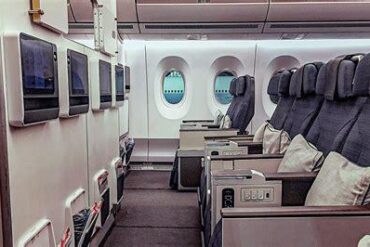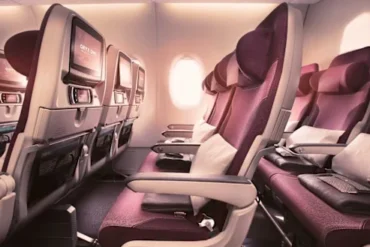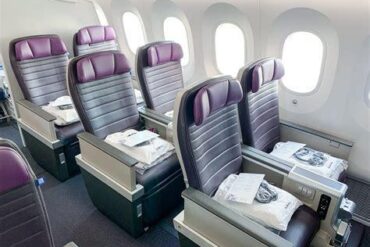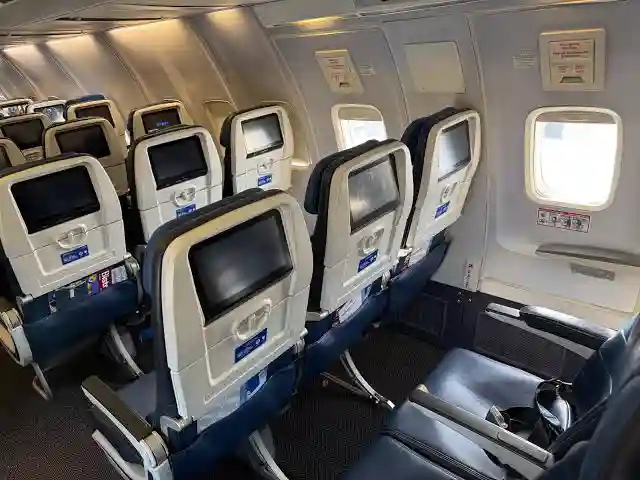
Choosing where to sit on a widebody long-haul flight is one of the few decisions in economy class that you can genuinely control, and it shapes how you feel for the twelve to fifteen hours between departure and arrival. There is no universal best seat, because the ideal choice depends entirely on what you value most: uninterrupted sleep, measurable legroom, a rapid exit, or the freedom to move without asking permission. Every priority comes with a trade-off, whether that is a queue for the lavatory, a fixed seat that refuses to recline, or the steady clatter of the galley curtain. First and business class remain the finest places to sit aboard any twin-aisle jet, but within economy class the differences between one row and another are far greater than most travelers realize.
How the Widebody Economy Cabin Is Really Organized
Before you open a seat map, it helps to understand that an economy class cabin on a widebody aircraft behaves less like a single room and more like a cluster of small neighborhood sections. Exit rows, galleys, lavatories, and bulkhead walls divide the main cabin into mini-cabins, each with its own personality, noise profile, and pace of service. On superjumbos such as the Airbus A380 and the Boeing 747, a small economy enclave even sits on the upper deck. These divisions matter because the seat that suits a light-sleeping solo traveler is rarely the seat that suits a family of four or a passenger sprinting toward a tight connection.
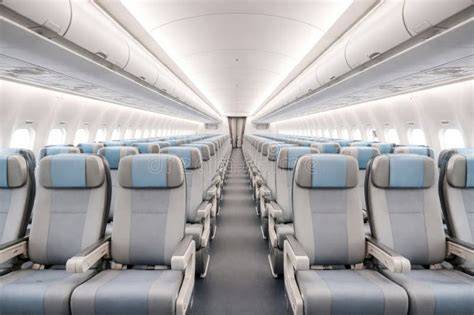
The forward mini-cabin, tucked just behind the premium cabin curtain, is compact and self-contained. Service often reaches these rows first, which means hot meals arrive quickly, trays are cleared promptly, and the lights are dimmed while the rest of the aircraft is still settling. Fewer passengers share this pocket of space, so restroom queues are shorter and the ambient noise is lower. The drawback is the constant foot traffic and conversation around the galley immediately behind the partition, plus the occasional light spilling through the curtain from business class when crew members pass through.
The main central cabin holds the bulk of economy seats and the widest selection of positions. Here you will find the cheapest standard seats, because aisle or window selection in the middle of the aircraft is often free or priced modestly. What you gain in choice you lose in calm: this is the busiest zone of the plane, where passengers stretch, queue, chat, and rummage through overhead lockers at all hours, making it the hardest place to fall asleep uninterrupted. The rear cabin, by contrast, quiets down dramatically once the meal service finishes, since most activity migrates forward toward the galleys and lavatories. The price of that quiet is being served last, sitting closest to the toilets, and absorbing more of the aircraft’s rear-end movement.
Why the Exit Row Delivers the Best Economy Legroom
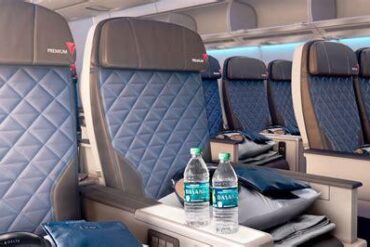
The most famous route to extra space in economy is the exit row, and the extra few inches of seat pitch genuinely change how a long-haul flight feels. Taller passengers can finally extend their legs without pressing their knees into the seat ahead, and because nobody sits directly in front, you never need to rise and let a row-mate out. For many travelers, an exit row seat offers a taste of premium economy comfort at a fraction of the fare, which is why airlines price these seats among the most expensive within the main cabin.
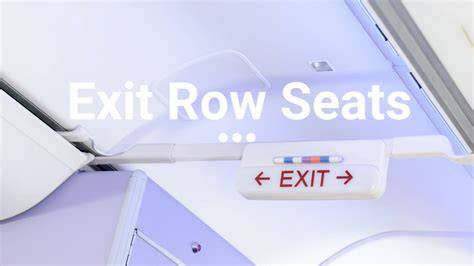
That privilege comes with real obligations and real frustrations. Airlines restrict exit rows to passengers who meet a minimum age that typically falls between fifteen and eighteen, and you must be physically capable of operating a heavy emergency door in a crisis, so crew will move anyone who appears unable or unwilling to assist. Federal and international rules also forbid stowing any bag beneath the seat ahead, since loose items could block an evacuation path, which means every device, book, or snack you want during takeoff and landing must be planned in advance. The seats themselves are often immovable: many exit row positions have limited or zero recline, armrests that cannot lift, tray tables built into the armrest, and slightly narrower cushions. Sturdy or broad-shouldered travelers may find the trade uncomfortable rather than liberating, so weigh the legroom against weeks of anticipation before paying the surcharge.
Securing Sleep in a Window Seat or Quiet Mini-Cabin
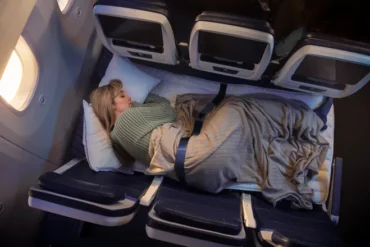
On a red-eye crossing, a poor night’s rest can cost you an entire day of a hard-earned vacation, which makes sleep the single most valuable commodity in the cabin. The window seat remains the strongest foundation for rest because the cabin wall becomes a pillow, a sweater wedged against the plastic gives your head a genuine anchor, and nobody climbs over you to reach the aisle. You also control the shade, though a good eye mask is still worth packing for the cabin lights that remain on near galleys and exits. Window dimensions vary surprisingly between aircraft types, and travelers who care about views should study them: the Boeing 787 Dreamliner offers the largest panes at roughly 10.7 by 18.4 inches, the Airbus A350 follows at about 9.5 by 13.5 inches, the legacy Boeing 777 measures around 10 by 15 inches, and the Airbus A330 comes in near 9 by 12.3 inches.
Position matters as much as the seat type. The ideal sleep zone sits ahead of the wing engines to escape their low rumble, yet not so far forward that galley chatter and crew activity intrude. Sitting near the aircraft’s center of gravity also reduces the jolts of turbulence that snap light sleepers awake. A mini-cabin compounds these advantages, since fewer neighbors mean fewer bathroom trips, fewer conversations, and fewer overhead locker doors slamming through the night.
The Aisle Seat Advantage for Space and Fast Movement
The aisle seat is the pragmatic choice for travelers who value mobility over seclusion. Stretching a leg into the walkway when it is clear creates a convincing illusion of width, and you can rise for the restroom, retrieve a bag from the overhead bin, or pace the cabin without disturbing anyone beside you. That independence becomes decisive when the aircraft lands, because aisle passengers are typically among the first to step into the terminal, reach immigration lines ahead of the rush, and make connections that a middle or window seat could easily jeopardize.
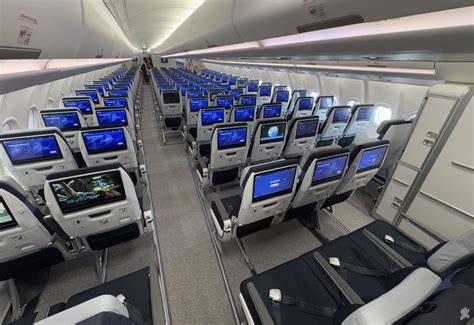
The cost is constant disruption. On a widebody jet the aisle functions as a highway for hundreds of passengers and crew throughout the flight, and a shoulder, elbow, or service cart will eventually bump the person sitting at its edge. You will also be asked to move whenever your row-mates need the lavatory, so rest arrives in fragments. Choosing an aisle in a quiet mini-cabin, rather than the bustling center section, softens those interruptions while preserving the freedom to leave whenever you wish.
Seats to Avoid: The Final Row and the Dreaded Middle
No seat combines every long-haul annoyance like the final row of economy class. Overhead bin space there is often consumed by airline emergency equipment, forcing you to hunt for storage far from your seat, and the rear bulkhead usually leaves the seat with limited or no recline. Lavatory queues form directly beside you, carrying noise and odors through the flight, and because meal service typically runs from the front to the back, your options are thinnest by the time the trolley arrives. The tail sits farthest from the center of gravity, so turbulence feels sharpest there, and deplaning last turns a tight connection into genuine stress.
The middle seat, wherever it appears, should be your last resort. Wedged between two strangers, without a window or an aisle, you have no room, no view, and no freedom of movement, while still disturbing a neighbor every time you need to stand. The smartest strategy for budget-conscious travelers is to decline paid seat selection and accept the gamble of a randomly assigned seat, but if the fare difference is small, a modest splurge on a window or aisle in a forward mini-cabin buys comfort that no amenity kit can replace.