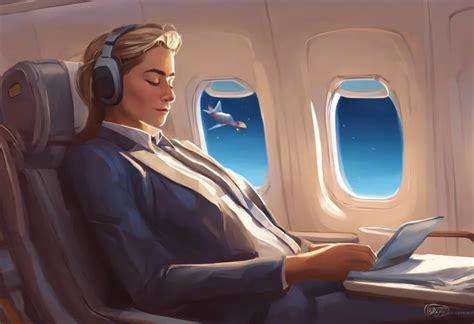
Long-haul travel has a paradox baked into it: you are moving thousands of miles at 550 miles per hour, yet your body is trapped in a metal tube that is not designed for human slumber. The result is familiar to anyone who has staggered off a red-eye flight—dry eyes, a foggy brain, stiff shoulders, and that peculiar sensation that your circadian rhythm has been tossed into a blender. Still, people do sleep well on airplanes every single day, and it is not luck. It is craft.
The key insight is this: sleep better on a flight is not about forcing unconsciousness. It is about reducing friction—physically, biologically, and psychologically—until sleep arrives on its own. The aircraft cabin is a hostile sleep environment with low humidity, fluctuating temperatures, background noise, and constant micro-movements. The travelers who rest well are the ones who treat sleep like a small engineering project rather than a prayer.
Flight attendants see this pattern nightly on ultra-long routes. They notice who collapses into misery and who drifts peacefully into their own portable cocoon. The difference usually comes down to preparation: what you wear, where you sit, what you bring, when you eat, and how you time your dozing. With a little strategy, the cabin transforms from an insomnia chamber into a surprisingly workable bedroom.
Think of your journey as three acts: before boarding, during cruising, and after touchdown. Mastering each act stacks the odds heavily in your favor. None of this requires first-class luxury or magical supplements—just thoughtful planning and a bit of airline-savvy discipline.
Dressing for the Sky: Wardrobe as Sleep Infrastructure
Your outfit is your first line of defense for in-flight sleep. Airplanes are thermodynamic shape-shifters: blazing on the tarmac, arctic at 35,000 feet, then stuffy again during meal service. Layering is not a fashion tip; it is a survival strategy for comfort. A breathable base layer, a soft mid-layer, and a loose outer layer give you three adjustable micro-climates on one body.
Avoid anything restrictive. Tight jeans are a quiet torture device after hour three, subtly compressing circulation and making it harder to relax. Elastic waistbands, stretch fabrics, and natural fibers perform better in the dry cabin air. Shoes should be easy to slip off, but socks should be cozy enough that you can tolerate cold feet without curling into a defensive pretzel.
Pockets are underrated allies. A hoodie with deep pockets keeps your eye mask, earplugs, lip balm, and hand cream within arm’s reach so you are not fishing around under the seat like a raccoon searching for snacks. A well-chosen jacket can even double as an improvised lumbar pillow or rolled-up neck support.
Color matters less than texture, but texture matters a lot. Soft fabrics cue your nervous system that it is safe to relax. Scratchy materials keep your body in a low-grade alert state. Subtle, but real.
Choosing Your Territory: Why Seat Location Changes Everything
Seat choice is arguably the most powerful lever you have for sleeping well. The aircraft’s center of gravity—roughly over the wings—experiences the least turbulence. It is the calm eye inside a giant aluminum storm, and your vestibular system (the balance center in your inner ear) will thank you.
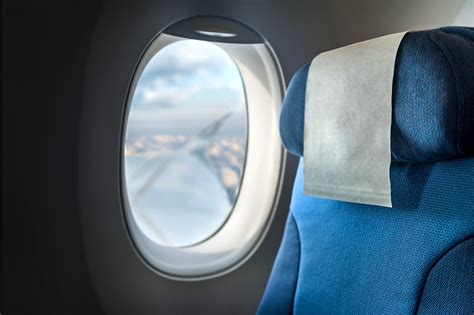
The window seat is prime real estate. It gives you physical boundaries, control of light, and a surface to lean against. That small curve of plastic becomes a surprisingly effective shoulder to rest on. More importantly, you are not being jostled by aisle traffic or asked to stand up every time your neighbor needs the restroom.
Avoid the galley and lavatory zones if rest is your goal. Those areas are airports within airplanes: carts rattling, ovens beeping, doors slamming, and attendants moving with professional urgency. A few rows forward or aft can be the difference between serenity and sonic chaos.
If you have the luxury of choice, aim mid-cabin, window, over the wing. It is not glamorous, but it is deeply strategic.
Building Your Portable Sleep Cocoon
Most cheap neck pillows are optimistic foam in a crescent shape. They look helpful and then betray you five minutes later. Invest instead in a structured travel pillow that actually stabilizes your head. Your neck is not trying to be artistic; it wants gentle, consistent support.
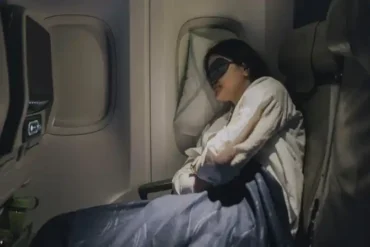
An eye mask is non-negotiable. Even in a “lights out” cabin, screens glow, seatbelt signs flicker, and stray light leaks through window shades. Weighted masks are especially effective because they add mild pressure around the eyes, mimicking the calming effect of a gentle touch.
Noise is the other great saboteur of cabin sleep. High-quality earplugs or active noise-canceling headphones create a psychological bubble. Some people prefer white noise, rain sounds, or low-volume ambient music; others need near-total silence. Experiment beforehand—your brain should associate your chosen soundscape with rest, not novelty.
A small hydration kit is part of your sleep toolkit too: lip balm, saline nasal spray, and hand cream. Dryness keeps you alert in an annoying, background way. Moisturized skin and airways make drifting off easier than you might expect.
The Clock Game: Timing Your Sleep Like a Pro
On short domestic flights, do not wait. Treat takeoff as bedtime. Buckle your seatbelt over your blanket, arrange your pillow, dim your window, and enter sleep mode immediately. The cabin will be brighter and busier later; strike while the environment is still cooperative.
On international flights, timing becomes more elegant. The goal is to align your sleep with the destination’s night. Staying awake until your planned “local bedtime” helps your brain re-anchor its internal clock. It feels counterintuitive—you are tired, yet you wait—but the payoff is arriving far less jet-lagged.
Some travelers use apps that calculate optimal sleep windows based on time zones and departure schedules. Others simply eyeball it. Either way, consistency beats chaos. Random naps are tasty in the moment but cruel to your circadian rhythm.
When you do sleep, aim for a solid block of rest rather than fragmented dozing. Continuous sleep—even if shorter—tends to feel more restorative than scattered snoozes.
Food, Drinks, and the Quiet Biology of Drowsiness
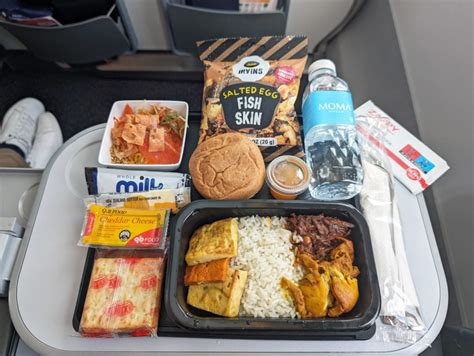
Airline meals are engineered for flavor at altitude, which means salt, salt, and more salt. Sodium tastes muted in dry cabin air, so caterers compensate aggressively. Your kidneys then work overtime, pulling water from your body, which is terrible for sleep.
Eat light before boarding: lean protein plus complex carbs. Think grilled chicken and rice, or Greek yogurt with oats. Carbohydrates gently nudge your brain toward producing melatonin, the hormone that tells your body it is night.
Avoid “gas giant” foods like beans, broccoli, cabbage, and carbonated drinks. Trapped gas at 35,000 feet is not just uncomfortable; it is a comedy of pressure physics inside your abdomen.
Caffeine and alcohol are the classic traps. Coffee keeps your nervous system buzzing; alcohol makes you sleepy but ruins sleep quality. If you want a gentle alternative, tart cherry juice, chamomile, or peppermint tea can be soothing without sabotage.
Hydration is crucial. Aim for about eight ounces of water per hour—but taper off roughly an hour before sleep so you are not waking up to play bathroom Tetris in a narrow aisle.
Taming the Cabin Environment
Cabin air is desert-dry, typically around 10–20 percent humidity. Your sinuses, throat, and skin all feel this. Saline spray before bed keeps your airways open, making breathing smoother and quieter.
Temperature control is a dance. Point your air vent gently across your face, not directly at it. A subtle airflow cools your skin and signals your body that it is time to sleep—much like a nighttime breeze through an open window.
Keep your personal space tidy. Clutter is visually stimulating even if you are not consciously noticing it. Stow your tray table, arrange your blanket neatly, and create a small island of order. Your brain relaxes faster in organized territory.
If you are sensitive to light leaks, use your hoodie hood over your eye mask or drape a scarf over the window shade. Redundancy is your friend.
Micro-Routines That Make Sleep Arrive
Humans are ritual-loving mammals. A tiny pre-sleep routine works wonders even at cruising altitude. Put on your mask, press play on your audio, sip water, apply lip balm, adjust your pillow, then take three slow breaths.
Some people like progressive muscle relaxation: tense and release each muscle group from toes to forehead. Others prefer counting backward or visualizing a calm place. The specific method matters less than the consistency.
Do not fight rest. If sleep refuses to come, relax into quiet wakefulness instead of spiraling into frustration. Often, paradoxically, that is when sleep finally sneaks in.
When Turbulence and Anxiety Interfere
Turbulence feels dramatic but is rarely dangerous. Still, your body does not know that. Remind yourself that airplanes are built to flex like wings, not snap like twigs. Tightening your muscles only amplifies the sensation.
If anxiety keeps you alert, focus on breath rather than movement. Slow, deep inhales through the nose and longer exhales through the mouth activate your parasympathetic nervous system—the biological brake pedal.
For very nervous flyers, a light, non-drowsy anti-anxiety technique (like guided breathing audio) can be more helpful than sleeping pills, which sometimes cause grogginess or disorientation mid-flight.
Jet Lag: The Morning After
The way you sleep on the plane sets the tone for your first day on the ground. If you timed it well, you arrive tired-but-functional instead of broken.
Expose yourself to daylight as soon as possible after landing. Light is the strongest reset switch your brain has. Walk outside, hydrate, and eat a normal meal at local time.
Avoid long “revenge naps.” If you must nap, cap it at 20–30 minutes. Your future self will be grateful that you did not crash your new time zone.
The Quiet Science Behind Cabin Sleep
At altitude, cabin pressure is roughly equivalent to being at 6,000–8,000 feet above sea level. Oxygen levels are slightly lower, which can make sleep lighter and more fragmented. That is why comfort and relaxation matter even more than usual.
Your body temperature naturally drops at night to trigger sleep. Anything that helps you cool gently—like that soft airflow or breathable layers—works with your biology rather than against it.
Melatonin production is suppressed by light, especially blue light from screens. If sleep is your mission, dim your devices early or use a blue-light filter.
Special Cases: Families, Tall Travelers, and Light Sleepers
Parents traveling with children face a different calculus. Seat selection near the window for the child, familiar blankets from home, and consistent bedtime rituals can work small miracles.
Tall travelers benefit from aisle seats for legroom but risk more disturbances. A compromise is a bulkhead window seat when available, offering both space and privacy.
Light sleepers should double down on noise control and timing. Sometimes the only viable strategy is to sleep very early or very late in the flight when the cabin is quietest.
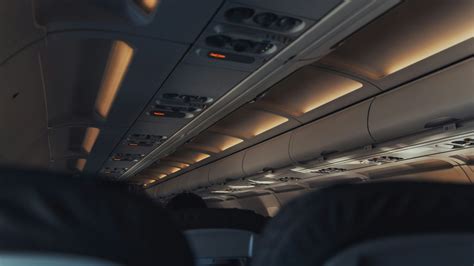
Turning a Flight Into Real Rest
Sleeping well in the sky is part preparation, part psychology, and part kindness to your own body. It is not glamorous, but it is powerful. When you land clear-headed, you feel like a traveler who traveled—not a passenger who survived.
Each flight becomes a laboratory. You tweak your pillow, your seat choice, your meal timing, your hydration, and your routine. Over time, you build a personal playbook that works for you.
The aircraft will never be your bedroom, but with the right approach, it can be something close enough—a quiet pocket of darkness moving across the world while you drift safely above it.
And that, oddly enough, is one of the most beautiful things modern travel can offer: sleep at cruising altitude, carried by physics, guided by strategy, and softened by a little human ingenuity.