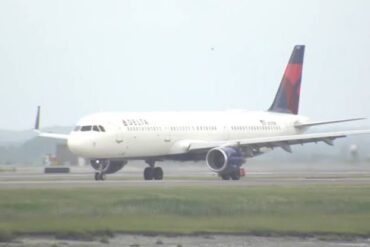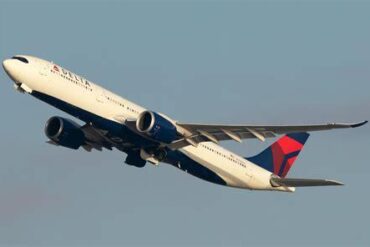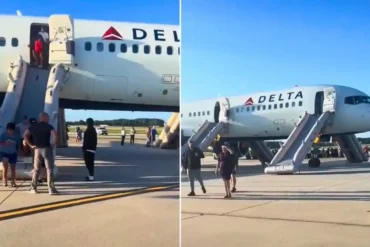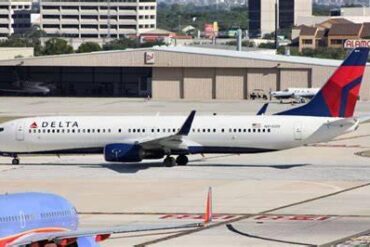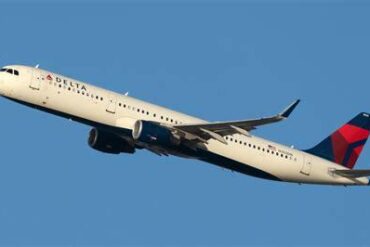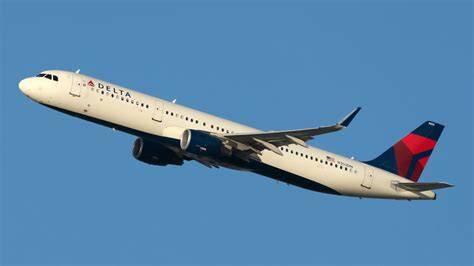
A Delta Air Lines Airbus A321 returned to Hartsfield-Jackson Atlanta International Airport (ATL) shortly after takeoff on August 13 after a technical malfunction prompted the flight crew to declare an emergency. Flight DL1334, scheduled to operate from Atlanta to Fort Lauderdale-Hollywood International Airport, landed safely in Atlanta approximately 15 minutes after departure. The incident disrupted the flight schedule but resulted in no reported injuries.
The aircraft involved was an A321 registered N363DN. After departing Atlanta’s runway 27R, the aircraft began its climb toward South Florida but stopped climbing at approximately 5,900 feet. The crew requested priority handling from air traffic control before turning back toward ATL. Reports subsequently indicated that smoke or a smoky odor was detected onboard, adding urgency to the crew’s decision to return to the airport.
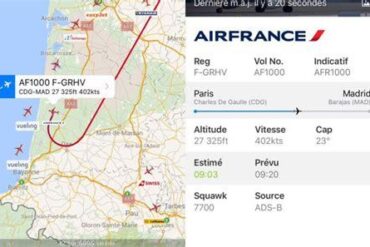
According to initial reports, the crew transmitted the emergency transponder code 7700, signaling a general emergency to air traffic controllers. The pilots then followed the appropriate procedures for a return to Atlanta. Reports also indicated that the pilots wore oxygen masks during the event. The A321 subsequently landed on runway 27R and vacated the runway under its own power.
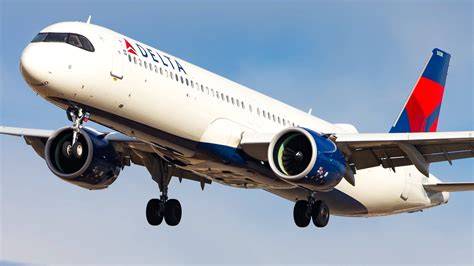
Delta Airbus A321 Makes Precautionary Return to Atlanta
The decision to return to ATL so soon after departure was significant because the aircraft had only been airborne for a short period. When a technical problem develops during the initial climb, crews must rapidly evaluate the aircraft’s condition while maintaining control, communicating with air traffic control, and determining the safest course of action.
In this case, returning to Atlanta provided several operational advantages. The airport was the aircraft’s departure point, meaning the crew was already familiar with its runway environment and had immediate access to extensive emergency-response and maintenance resources. Atlanta is also Delta’s major hub, providing the airline with substantial technical support and operational infrastructure.
The aircraft’s relatively short time in the air also meant the crew did not have to continue toward Fort Lauderdale while dealing with an unresolved problem. Instead, the A321 was brought back to the airport where emergency personnel could assess the situation and maintenance teams could investigate the malfunction on the ground.
Smoke Reported Inside the Airbus A321
The incident became more serious when reports emerged that smoke was detected inside the aircraft. The exact source of the smoke or odor has not been publicly established. Some reports described passengers noticing a smoky smell, reportedly concentrated toward the cockpit area.
Smoke or fumes inside an aircraft require immediate attention because their origin can involve a range of systems. Potential sources can include an electrical component, ventilation system, auxiliary power unit, engine-related system, or another aircraft component. An odor alone does not establish the cause, and determining the source in flight can be particularly difficult if the fumes are intermittent or move through the aircraft’s ventilation system.
The crew’s reported use of oxygen masks reflected the seriousness with which the situation was treated. Flight crews have established procedures for dealing with smoke, fumes, and potential cabin-air contamination. Returning to the departure airport allows those procedures to be completed with emergency services standing by and gives maintenance personnel an opportunity to conduct a detailed inspection.
No Injuries Reported After Emergency Landing
Despite the emergency declaration and reports of smoke, the Airbus A321 landed safely without reported injuries. After touchdown, the aircraft left the active runway under its own power. Airport fire and rescue personnel inspected the aircraft as a precaution.
The safe outcome illustrates an important distinction in aviation reporting: an emergency declaration does not necessarily mean an aircraft is in immediate danger of crashing. The 7700 transponder code indicates that an aircraft requires priority assistance, but emergencies can range from relatively contained technical problems to much more serious situations.
For passengers, however, the experience was understandably disruptive. Travelers had boarded a flight scheduled to leave Atlanta at 7:00 a.m., but the aircraft did not depart until approximately 10:05 a.m. following the incident and subsequent operational arrangements.
DL1334 Passengers Face a Delayed Fort Lauderdale Arrival
The disruption ultimately affected the entire journey to Florida. Delta confirmed that DL1334 was delayed after its return to Atlanta, with the airline working to make arrangements for passengers continuing to Fort Lauderdale.
The flight eventually departed more than two and a half hours after its scheduled departure time and reached Fort Lauderdale at approximately 11:54 a.m., around three hours later than originally planned. While the delay was significant for passengers, the operational priority was resolving the aircraft issue and ensuring the aircraft was safe to operate before the journey continued.
Investigation Into the Technical Malfunction Continues
At this stage, the precise technical cause remains undetermined. The available information establishes that a malfunction occurred shortly after takeoff, that the crew requested priority handling, and that smoke or a smoky odor was subsequently reported. It does not establish which aircraft system produced the smoke or whether the reported odor was directly connected to the original malfunction.
That distinction is important. Aviation incidents are often subject to additional maintenance inspections and operational investigations before a definitive explanation becomes available. Assigning the cause to a particular system based only on passenger observations or preliminary reports would therefore be premature.
For Delta and its maintenance personnel, the aircraft’s return to Atlanta provided an opportunity to conduct a thorough examination on the ground. Any findings could help determine whether a component required repair, replacement, or further testing before the A321 returned to service.
A Safety-First Decision by the Flight Crew
The DL1334 incident demonstrates why crews are trained to treat technical abnormalities and smoke or fumes as serious events, even when the aircraft remains controllable. A precautionary return can reduce risk by placing the aircraft close to emergency services and maintenance support rather than allowing an unresolved problem to develop during a longer flight.
The Airbus A321 ultimately completed a safe landing, and there were no reported injuries. Although passengers faced a lengthy delay before continuing to Fort Lauderdale, the incident reinforces a fundamental principle of commercial aviation: when an aircraft develops an unexplained technical problem shortly after takeoff, returning to a major airport can be the most prudent course of action.
Further information from Delta or relevant aviation authorities will be needed to establish exactly what caused the malfunction and the reported smoke aboard N363DN. Until those findings become available, the incident is best understood as a precautionary emergency return following a technical problem and reported onboard smoke, rather than evidence of a confirmed catastrophic aircraft failure.