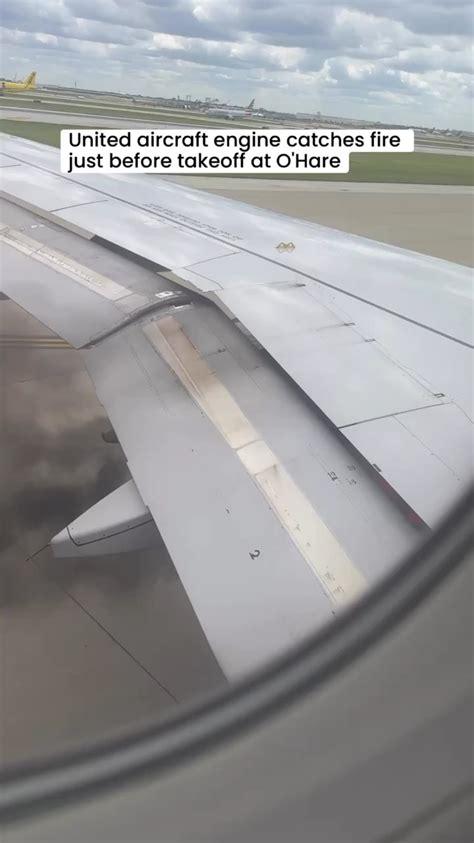
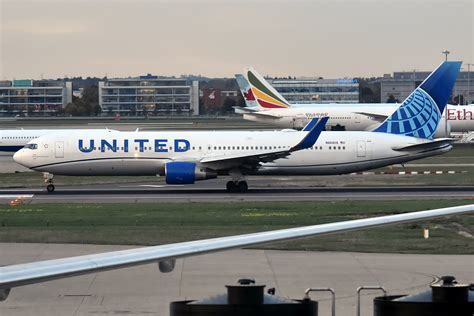
On the morning of June 24, 2025, a routine transatlantic flight transformed into a dramatic emergency event at Zurich Airport (ZRH) when United Airlines Flight UA12, bound for Chicago O’Hare (ORD), was forced to abort takeoff at high speed. The aircraft involved, a Boeing 767-300 with registration N684UA, was accelerating down Runway 16 when the flight crew initiated a rejected takeoff (RTO) at approximately 145 knots, a velocity that exceeds the usual decision speed known as V1.
High-Speed Rejected Takeoff: An Uncommon Emergency
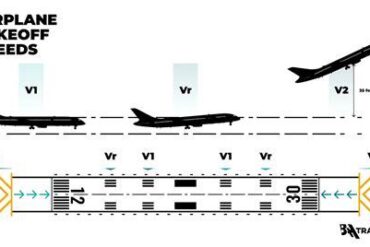
For commercial aircraft, the decision to abort takeoff after reaching or exceeding V1 speed is a rare and serious occurrence. V1 is the critical decision speed—the point beyond which takeoff must proceed even if a problem arises, due to insufficient runway remaining to stop safely. For the Boeing 767-300, V1 typically ranges between 130 to 140 knots, depending on weight, runway length, and atmospheric conditions. Executing an RTO at 145 knots, as United Flight UA12 did, is highly unusual and suggests an urgent technical malfunction, likely deemed unsafe for takeoff continuation.
Upon execution of the abort procedure, the aircraft came to a full stop near the intersection of Runway 28, an area not typically designated for emergency halts. The rapid deceleration resulted in multiple main landing gear tires deflating, a frequent outcome when full braking power is applied at such high speeds.
Emergency Response and Evacuation
Once stationary, the flight crew made initial contact with Zurich Tower, expressing readiness to vacate the runway and proceed with post-abort checklists. However, air traffic controllers, observing the severity of the situation and already mobilizing emergency response units, instructed the aircraft to hold position.
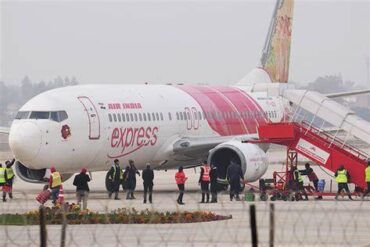
Emergency personnel quickly surrounded the scene. Passengers and crew—a total of 142 people—were safely evacuated via mobile stairways positioned directly on the runway. Remarkably, no injuries were reported, a testament to the professional handling of the situation by the flight crew and Zurich emergency responders.
Investigating the Cause: What Went Wrong?
While United Airlines has not publicly revealed the exact nature of the technical failure, a company spokesperson confirmed to Swiss media outlet 20 Minuten that a “technical issue” had necessitated the rejected takeoff. Eyewitness reports and unconfirmed leaks suggest the failure may have involved one of the aircraft’s electrical generator units, which in turn could affect hydraulic or avionics systems critical to safe flight.
The aircraft remained immobilized on the runway for nearly four hours, forcing Zurich Airport to reroute operations to alternate runways. Towing procedures commenced only after pressure and temperature in the braking system had sufficiently cooled, allowing the 767 to be moved to a remote maintenance stand.
Understanding Rejected Takeoffs Above V1
Rejected takeoffs are standardized safety maneuvers, extensively practiced in simulator training by all commercial airline pilots. However, rejecting a takeoff above V1 is extremely rare, accounting for fewer than 2% of all RTOs worldwide. Once V1 is surpassed, pilots are generally expected to continue with takeoff even if complications arise.
An abort at 145 knots, such as in UA12’s case, suggests a critical system failure—possibly involving:
- Loss of primary engine thrust
- Malfunction of hydraulic flight control systems
- Severe electrical bus faults or generator disconnection
- Immediate fire warnings or smoke in cockpit
- Onboard avionics failure preventing climbout
The Swiss Transportation Safety Investigation Board (STSB) is expected to launch a detailed investigation into the event, in coordination with United Airlines’ maintenance and safety engineering teams. Findings may influence future safety protocols for late-stage abort decisions.
Comparative Incidents: Are High-Speed Aborts Increasing?
This incident adds to a string of recent high-profile aborted takeoffs in the global aviation sector, underscoring the continued importance of emergency preparedness and maintenance scrutiny.
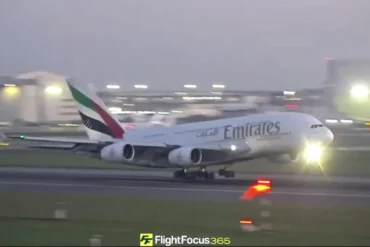
Just weeks earlier, on June 8, 2025, an Emirates Boeing 777-300ER was forced to cancel its takeoff from Chennai International Airport (MAA) to Dubai (DXB) after pilots detected a critical system anomaly during taxiing. Though that aircraft never reached high speeds, the decision to halt operations immediately prompted a full-scale emergency response.
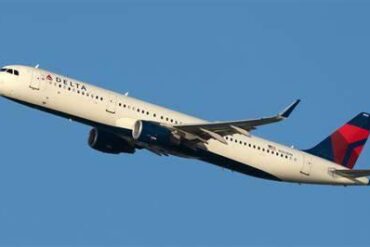
Similarly, on May 24, 2025, another United Airlines flight departing from Wilmington International Airport (ILM) aborted takeoff seconds before rotation after one engine unexpectedly shut down. The flight had already experienced significant delays, and the abrupt stop led to passenger rebooking the following day.
Though none of these cases resulted in injuries, they highlight a rising pattern of conservative decision-making by flight crews, potentially influenced by enhanced training and automation warning systems that prioritize safety over scheduling.
Zurich Airport’s Response and Operational Impact
The four-hour runway blockage at Zurich Airport prompted temporary flight delays and runway reassignment, though the airport’s operational redundancy ensured continued air traffic flow with minimal disruption. Runway 14 and Runway 28 remained active during the emergency, and Swissport ground staff efficiently rerouted arriving and departing flights.
The incident emphasized Zurich’s well-coordinated emergency readiness, which included:
- Rapid deployment of fire and rescue vehicles
- Real-time coordination between tower controllers and flight crews
- Passenger evacuation oversight and mobility assistance
- Coordination with United Airlines Zurich operations team for rebooking and accommodation
Passengers were reportedly rerouted onto alternate United and Star Alliance flights. Some chose to postpone travel, while others continued their journey via Frankfurt or Munich.
Aircraft Condition and Next Steps
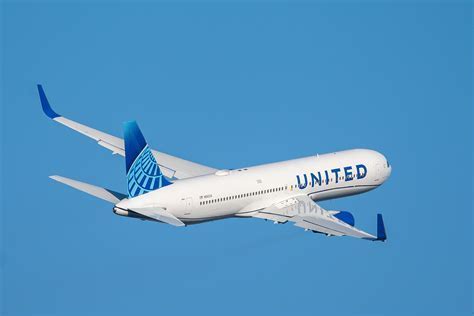
The affected Boeing 767-300, tail number N684UA, is a veteran widebody aircraft typically used on transatlantic routes. United Airlines operates a fleet of these aircraft for long-haul travel due to their fuel efficiency and proven safety record.
Post-incident examination will include:
- Brake and tire wear analysis
- Evaluation of flight data recorder (FDR) and cockpit voice recorder (CVR)
- Testing of electrical and hydraulic components
- Stress and fatigue checks on landing gear assembly
Pending technical assessments, United is expected to ground the aircraft for several days or longer. It remains unclear whether major structural components were affected by the high-speed brake application.
Why This Matters for the Aviation Industry
Events like the UA12 aborted takeoff represent not only airline operational challenges, but also testaments to aviation safety protocols. These maneuvers, while alarming, demonstrate the resilience of crew training, aircraft design, and airport emergency systems.
Despite the rarity of such incidents, they are meticulously studied by regulators and manufacturers. Every detail—from pilot reaction time to component performance under duress—is analyzed to ensure continuous safety improvement.
Passengers may never see what happens behind the scenes, but moments like this show how aviation remains one of the safest modes of transport precisely because of these layers of redundant systems, protocol adherence, and expertly trained professionals.
Conclusion
The aborted high-speed takeoff of United Flight UA12 stands as a powerful reminder of how preparedness and training avert disaster in aviation. While the full investigation may take weeks or even months, early indications point to a well-managed emergency that protected passengers, crew, and infrastructure alike.
As Zurich’s runways return to normal operations and United evaluates the aircraft, the aviation community will watch closely for the findings. These insights will likely influence pilot training programs, system monitoring protocols, and maintenance diagnostics across the industry.
In the fast-paced world of commercial flight, safety is never taken for granted—and Flight UA12 is now part of the record showing why.