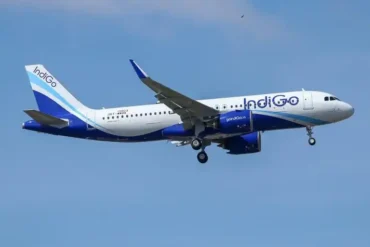
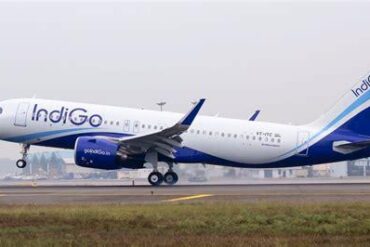
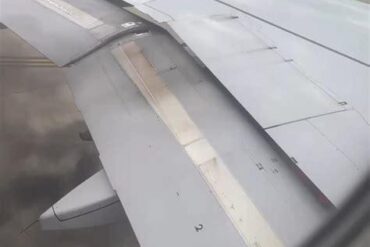
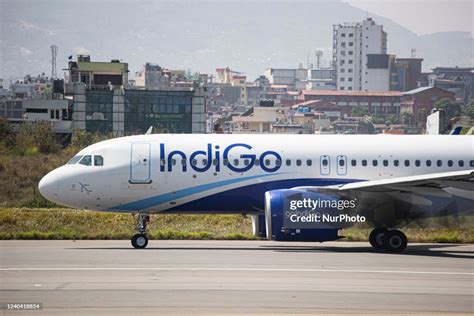
On the morning of June 19, 2025, an IndiGo flight en route from Delhi to Leh was compelled to return mid-air due to a technical setback that made landing at Leh’s high-altitude airport unsafe. This incident involved Flight 6E 2006, operated by an Airbus A320neo, which took off from Indira Gandhi International Airport at approximately 6:30 AM. The crew faced operational limitations during the flight, prompting them to make a precautionary decision to divert back to Delhi to ensure passenger safety and avoid a potentially risky descent into the mountainous terrain of Leh.
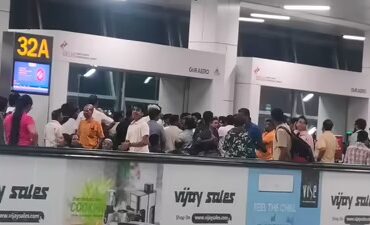
The swift return of Flight 6E 2006 showcased IndiGo’s commitment to prioritizing passenger safety above all else. Although the situation might have appeared alarming to those on board, the airline confirmed that no emergency was declared during the flight. According to an official statement from IndiGo, the return was initiated solely as a safety precaution, and all necessary protocols were followed, ensuring that passengers were not subjected to any immediate risks. The aircraft landed safely back in Delhi without incident, reflecting IndiGo’s adherence to operational integrity and safety standards.
This occurrence comes at a time when the Indian aviation sector is experiencing broader turbulence, especially among full-service carriers like Air India. Following its acquisition by the Tata Group, Air India has faced multiple challenges, ranging from technical malfunctions to intensified regulatory scrutiny. These issues have resulted in numerous flight delays and cancellations, significantly affecting international routes. Recent events, including the grounding of Air India’s Boeing 777 and Boeing 787-8 Dreamliner aircraft due to technical snags, highlight the pressing need for operational improvements across the industry.
Air India’s ongoing maintenance oversight has intensified following a series of mid-air technical snags and operational complications. For instance, a recent incident involving an Air India Boeing 777 operating a long-haul service from San Francisco to Mumbai required passengers to deboard after a suspected technical issue emerged during a scheduled stop in Kolkata for refueling. Similarly, another Air India flight, AI315, en route from Hong Kong to Delhi, had to return to Hong Kong International Airport due to reported technical issues, emphasizing the cautious approach taken by pilots prioritizing the safety of passengers.
In light of these challenges, Air India has opted to reduce its international flight capacity by 15% on widebody aircraft until at least mid-July 2025. This decision is part of a broader strategy aimed at improving operational reliability and restoring schedule stability while minimizing inconvenience to passengers. The airline has committed to ensuring that safety remains a paramount concern and that all maintenance efforts are geared towards long-term efficiency. A revised schedule of international flights is set to take effect starting June 20, 2025, providing travelers with greater clarity regarding their travel plans.
Despite the recent diversion of IndiGo’s Flight 6E 2006, flights between Delhi and Leh continue to operate on a regular basis, with multiple daily services scheduled, primarily for early morning departures. Upcoming flights on this popular route include:
- June 20, 2025 – Departure at 5:40 AM
- June 22, 2025 – Departure at 5:40 AM
- June 24, 2025 – Departure at 5:40 AM
- June 25, 2025 – Departure at 6:30 AM
- June 26, 2025 – Departure at 5:40 AM
No changes have been announced to this route’s schedule, indicating that demand for travel between Delhi and Leh remains strong, particularly during the peak travel season. Passengers are advised to stay updated through official airline channels to avoid any last-minute surprises related to flight alterations or delays.
The decision made by IndiGo to reroute Flight 6E 2006 back to Delhi underscores the airline’s reputation for prioritizing operational safety. In commercial aviation, even seemingly minor issues can escalate if not managed appropriately. Choosing to return rather than pressing on to a challenging destination like Leh, which requires precise landing techniques due to its altitude and complex mountainous terrain, reflects a proactive approach to ensuring passenger safety. This incident serves as a critical reminder of the complexities involved in mountain aviation, where real-time judgment is paramount in securing safe travel experiences.
As Indian carriers navigate a landscape marked by varying degrees of operational headwinds—from aircraft maintenance challenges to external geopolitical risks—passengers are witnessing a dynamic and sometimes unpredictable flying environment. Despite these uncertainties, both full-service and low-cost airlines continue to adapt swiftly, striving to balance safety with effective service delivery.
India’s aviation sector remains on high alert amid increased regulatory checks, evolving route logistics, and seasonal travel peaks. Decisions like IndiGo’s mid-air return are indicative of the airline’s commitment to caution and professionalism in the skies. Both passengers and industry observers remain hopeful that ongoing operational enhancements will lead to greater resilience within the country’s aviation ecosystem in the months ahead.
In conclusion, the incident involving IndiGo Flight 6E 2006 emphasizes the airline’s unwavering dedication to passenger safety and operational integrity, particularly on challenging routes such as Delhi to Leh. By opting for a mid-air return instead of risking an unsafe landing, IndiGo demonstrated strict adherence to safety protocols and proactive decision-making. As air traffic over high-altitude destinations continues to grow, such precautionary measures serve as essential reminders of the inherent complexities involved in mountain aviation.