On a day that witnessed unexpected disruptions in air travel, two Delta Air Lines flights experienced mid-flight complications, with one flight turning back to Atlanta after an incident involving an unruly passenger. This event has not only raised concerns about passenger behavior in the air but has also highlighted the aviation industry’s stringent policies and practices for handling such incidents. In this detailed analysis, we will explore the events surrounding this unusual turn of events and the broader implications for airline safety and passenger conduct during air travel.
Incident Overview: Delta Flight 826 and Flight 1946
The day began as any other for Delta Air Lines, one of the leading American carriers. However, two separate flights experienced significant disruptions on the same day, leading to unexpected returns to their respective airports.
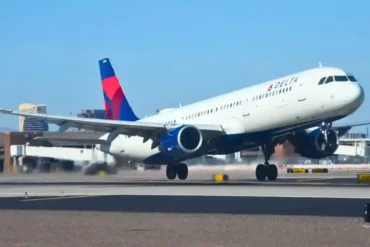
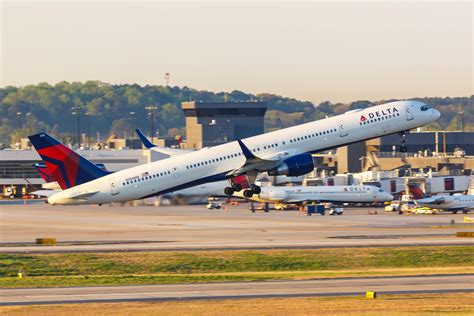
Delta Air Lines Flight 826, a Boeing 757, took off from Hartsfield-Jackson Atlanta International Airport, bound for California. However, soon after takeoff, complications arose, prompting the flight to make a U-turn and return to its point of origin. Flight tracking service FlightAware recorded the aircraft’s return, which occurred a little over an hour after it had departed, landing back safely at Atlanta Airport at approximately 7:30 p.m. The airline has yet to officially confirm the precise cause for the unscheduled return, leaving many speculating about what prompted this drastic action.
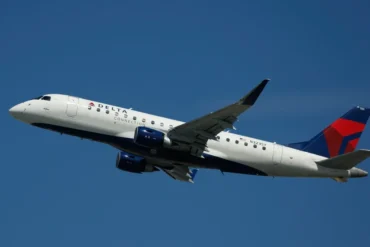
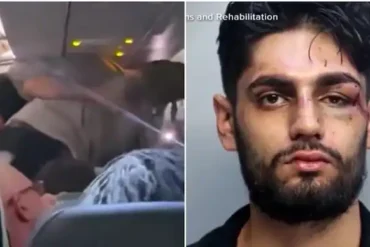
In another incident, Delta Flight 1946, departing from Luis Munoz Marin International Airport in San Juan, Puerto Rico, faced a different type of emergency. This flight was forced to return to the gate at the airport due to an incident involving an unruly passenger. The disruptive passenger’s behavior escalated to a point where law enforcement had to intervene. The passenger was removed from the flight, allowing it to resume its journey toward Atlanta. The aircraft landed safely in Atlanta just before 10:30 p.m. The airline released a statement emphasizing its zero-tolerance policy for unruly behavior, ensuring the safety and comfort of both passengers and crew.
Analyzing the Response: Delta’s Protocols for Passenger Misconduct
In both cases, Delta Air Lines demonstrated its commitment to the safety and well-being of its passengers and crew. While the specific reasons behind the diversion of Flight 826 remain unclear, it is worth noting that airlines have strict protocols when it comes to any situation that could threaten the safety of the flight or the people onboard. These protocols include passenger behavior management, where passengers who engage in disruptive behavior are subject to removal from the flight.
In the case of Flight 1946, the issue was explicitly tied to passenger misconduct. Airlines and law enforcement agencies have made it clear that behavior considered disruptive or violent is no longer tolerated in any form, especially in the confined space of an aircraft. The removal of such passengers is an important step in ensuring the safety of the other passengers as well as the crew.
Delta’s statement regarding their ‘zero tolerance’ policy is an important reminder of the airline’s dedication to maintaining order in the skies. This policy is not only a legal safeguard but also a necessary measure to ensure smooth operations. Disruptive passengers pose serious risks, not just for the immediate flight, but for future operations as well, as they can create delays or even cause legal liabilities.
The Rising Issue of Unruly Passengers in Aviation
The issue of unruly passengers has become increasingly prominent in recent years. With the rise of travel post-pandemic, airlines have reported a surge in in-flight disturbances. The Federal Aviation Administration (FAA) has recorded thousands of incidents related to unruly passengers in recent years, with many of these disturbances stemming from passengers refusing to comply with basic safety instructions or engaging in aggressive or violent behavior.
One of the driving factors behind this increase is the stress passengers face during their travels. From flight delays to long security lines, passengers often arrive at their gates frazzled, making them more susceptible to frustration. This can escalate into aggressive behavior, particularly when passengers are denied requests or face inconvenience during their flight. Additionally, some incidents have been linked to alcohol consumption, with passengers becoming intoxicated and more prone to violent outbursts.
Another factor contributing to the rise in unruly behavior is the normalization of confrontational interactions. Social media platforms have made it easier for individuals to share their experiences, often glorifying disruptive behavior. This, in turn, can inspire others to engage in similar conduct. The ongoing media coverage of violent confrontations on planes has inadvertently fueled the normalization of such behavior, which poses a serious threat to the safety of everyone on board.
Legal and Financial Consequences for Unruly Passengers
The consequences for passengers who engage in disruptive behavior are severe, both legally and financially. On a legal level, passengers who are removed from flights due to their behavior are often subject to arrest, criminal charges, and fines. These charges can include assault, harassment, or even endangerment. In some cases, passengers may face a lifetime ban from flying with the airline that they disrupted.
On the financial side, airlines have been increasingly unwilling to absorb the cost of dealing with disruptive passengers. Many airlines, including Delta, have adopted stricter penalties, such as imposing significant fines on passengers whose actions lead to delays or flight diversions. These fines are meant to act as a deterrent to prevent further disruptions and to compensate the airline for any financial losses incurred as a result of the incident.
Passengers who are removed from flights can also be held liable for the costs associated with rebooking or accommodating other passengers. In extreme cases, the airline may file lawsuits to recover costs related to the incident.
The Role of Law Enforcement in Aviation Safety
When an unruly passenger’s behavior escalates to a point where the safety of the flight is at risk, law enforcement plays a crucial role. In the case of Flight 1946, law enforcement was called to handle the disruptive passenger. Their role in removing the individual from the aircraft helped ensure that the flight could proceed without further delay.
Law enforcement agencies have long been involved in managing aviation-related disturbances. However, their role has grown significantly as incidents of unruly behavior have increased. Federal Air Marshals, airport security, and local law enforcement agencies are often involved in managing disturbances both before and during flights. Their presence acts as both a deterrent and a critical response resource in ensuring that no situation escalates to the point where passengers’ safety is compromised.
In many instances, law enforcement involvement is critical not just for removing the individual causing the disturbance but also for protecting the other passengers from emotional or physical harm. Additionally, their presence is vital in upholding the authority of airline staff, whose power may be insufficient to handle situations alone.
The Broader Implications for Airlines and Passengers
The forced return of flights, such as in the case of Delta’s Flight 826, highlights the broader operational challenges airlines face when dealing with emergencies, whether they involve mechanical issues, passenger misconduct, or other factors. For airlines, the challenge is balancing the comfort and safety of their passengers while minimizing delays and disruptions to their schedules. For passengers, the incident serves as a reminder of the importance of adhering to safety regulations and behaving responsibly while onboard.
Incidents like these also have lasting effects on the reputation of airlines. While Delta’s swift response to these disruptions reflects their commitment to passenger safety, frequent disruptions can lead to negative publicity and loss of customer trust. It is essential for airlines to maintain a proactive stance in addressing passenger behavior, ensuring that their crews are well-trained to manage such incidents before they escalate.
In conclusion, the recent events surrounding Delta Air Lines Flight 826 and Flight 1946 serve as a powerful reminder of the importance of safety and conduct in the aviation industry. While many factors contribute to disruptions in air travel, including technical issues and external conditions, passenger behavior remains a critical aspect that airlines must continually address. By enforcing stricter policies and working closely with law enforcement, airlines can continue to maintain order and ensure that air travel remains safe and efficient for all involved.