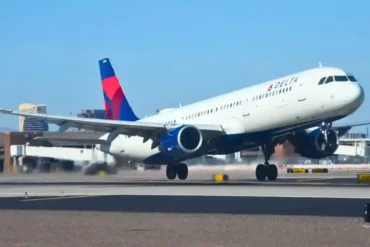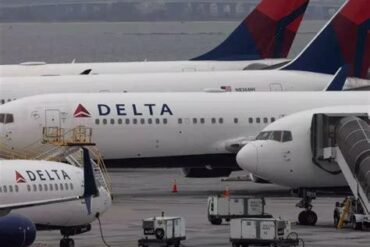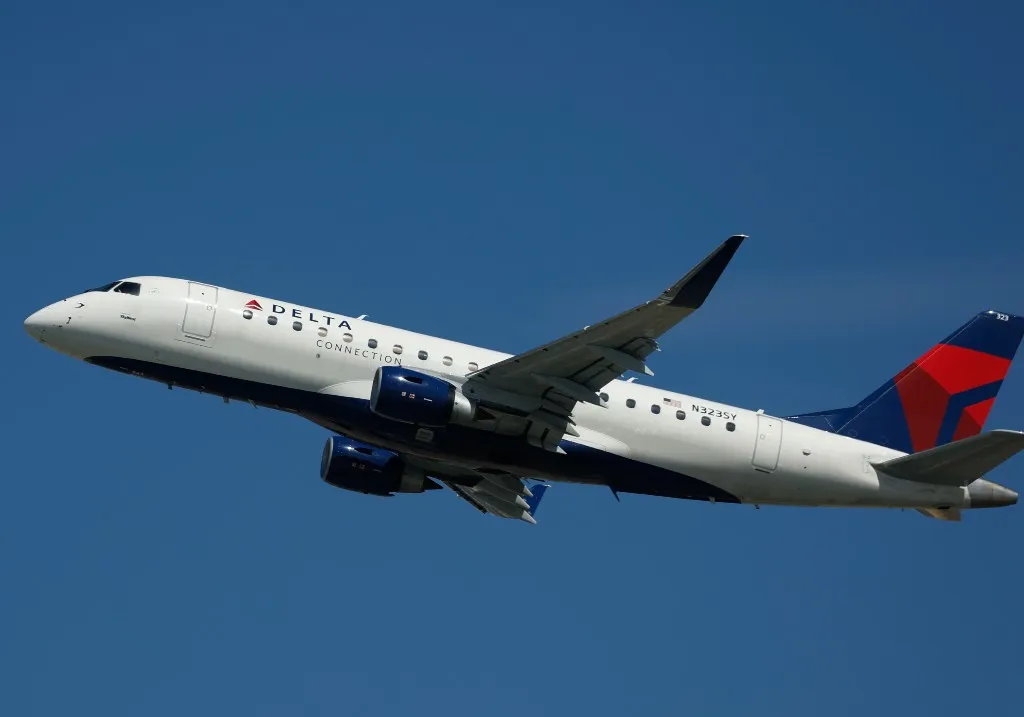
A routine domestic flight across the American Midwest was violently upended on Saturday, July 19, 2025, when Delta Connection Flight 3612, operated by SkyWest Airlines, was forced to make an emergency landing in Cedar Rapids, Iowa. The aircraft, en route from Omaha’s Eppley Airfield to Detroit Metropolitan Wayne County Airport, was disrupted mid-flight by an aggressive passenger whose behavior compelled the flight crew to divert the aircraft for the safety of all onboard.
Mid-Air Incident Forces Urgent Diversion
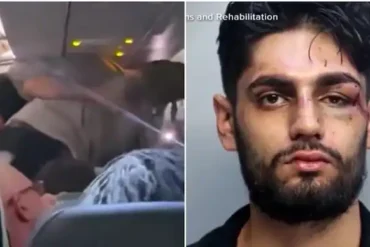
Approximately one-third into the journey, as the plane cruised at altitude, passenger Mario Nikprelaj, a 23-year-old from Nebraska, began acting in a disruptive and threatening manner. Eyewitness accounts described a chaotic scene in the cabin, with fellow travelers visibly distressed as Nikprelaj’s behavior escalated. Flight attendants quickly alerted the cockpit crew, prompting immediate contact with air traffic control to authorize a diversion.
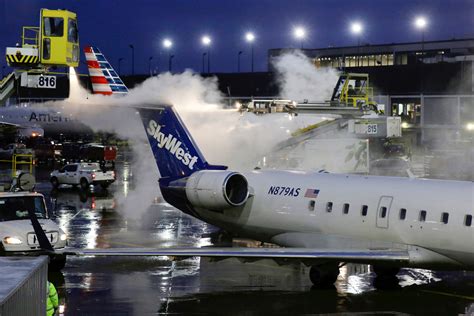
The aircraft made a swift but controlled descent, landing safely at Eastern Iowa Airport in Cedar Rapids around 7:00 p.m. Local law enforcement was pre-positioned on the tarmac and boarded the aircraft immediately upon arrival. Nikprelaj was taken into custody without further resistance.
Arrest and Multiple Charges Filed
Following the arrest, Cedar Rapids Police released a detailed list of charges against Nikprelaj, including assault, disorderly conduct, first-degree harassment, and unlawful possession of a prescription medication. Notably, authorities also levied a tax stamp violation, a charge typically associated with the illegal possession of controlled substances without proper tax documentation. Though no weapons were reportedly involved, the behavioral threat posed by the individual was deemed significant enough to necessitate a law enforcement response.
Passengers Shaken, But No Injuries Reported
Despite the mid-air tension and emergency diversion, no injuries were reported among the 70+ passengers and crew members aboard the regional jet. Several passengers recounted the sense of panic and unease as the disturbance unfolded, describing moments of “frightening uncertainty” while trapped in the confined space of the aircraft cabin.
The flight eventually resumed its journey to Detroit, landing approximately three hours later than scheduled. Airline officials arranged for minimal disruption once the threat had been addressed, and passengers were rebooked or accommodated accordingly.
Official Statements from SkyWest and Delta
In the aftermath, SkyWest Airlines issued a formal statement, underscoring their commitment to safety:
“SkyWest adheres strictly to the safety and security of its passengers and employees. Nothing is more important than ensuring that each flight operates under the highest standards of security. We commend the quick response of our flight attendants and thank the Cedar Rapids Police Department for their assistance.”
Delta Air Lines, which contracts SkyWest under the Delta Connection brand, echoed the sentiment, expressing gratitude for the crew’s professional handling of the situation and the cooperation from ground authorities in Iowa.
FAA Involvement and Ongoing Investigation
The Federal Aviation Administration (FAA) has confirmed the diversion and announced an ongoing investigation into the incident. This will include a full review of the flight manifest, flight recorder data, and passenger testimonies. Authorities are particularly focused on understanding how Nikprelaj boarded with the substance that led to the tax stamp violation, and whether there were any lapses in pre-flight security protocols.
Post-Pandemic Surge in Unruly Passenger Incidents
The episode joins a growing list of mid-air disturbances reported since the COVID-19 pandemic, during which tensions have escalated on domestic and international flights alike. FAA data show that unruly passenger incidents remain at elevated levels, ranging from refusal to comply with crew instructions to physically aggressive behavior.
In this case, aviation safety analysts emphasized that the threat was behavioral, not technical. While the aircraft’s structural integrity and pressurization systems remained uncompromised, the psychological and emotional impact on passengers and crew warranted a diversion.
Technical Aspects: Why Emergency Landings Are Necessary
Commercial aircraft are engineered with fail-safe mechanisms, including secure cabin pressurization and reinforced cockpit doors. However, any in-flight behavior that endangers the crew or interferes with flight operations is grounds for immediate diversion.
This policy is non-negotiable under FAA guidelines. Even when no visible weapons or equipment tampering occurs, aggressive or erratic actions from passengers represent a threat to operational control, crew morale, and the safety of all individuals onboard.
Operational and Financial Fallout for Airlines
Beyond the immediate safety concerns, an emergency landing such as this carries serious implications for airline operations and finances. Every diversion triggers a chain reaction:
- Aircraft must land at non-scheduled airports, incurring landing fees.
- Crew duty time limits may be exceeded, requiring substitute staffing.
- Passengers face delays, missed connections, and rebooking costs.
- Airline scheduling is disrupted, affecting other flights and destinations.
Airline analyst Jordan McNeill explained:
“This isn’t just about Flight 3612. Every emergency landing sends shockwaves through the network — from aircraft rotation to ground crew availability and gate planning. The cost, both financially and reputationally, can be significant.”
Passenger Behavior and Air Travel Etiquette in Focus
The incident has also rekindled debates about passenger accountability, substance screening, and in-flight discipline. With more airlines relying on regional carriers like SkyWest to maintain network reach, the expectations placed on smaller crews and aircraft are mounting.
Psychologists and travel behavior experts note that the constrained, high-pressure environment of an airliner can intensify latent stress or aggression. Airlines have begun bolstering crew training in de-escalation tactics, and there is increasing advocacy for the creation of a national no-fly list for repeat offenders.
In response to the Cedar Rapids diversion, advocacy groups and aviation unions are renewing calls for stricter penalties on unruly passengers and better onboard monitoring tools to anticipate behavioral threats before they escalate.
Looking Ahead: Ensuring Safer Skies
While the aircraft returned to its scheduled destination and the threat was neutralized without injury, this incident serves as another critical reminder of the fragility of inflight safety, particularly when individual behavior poses unpredictable risks.
SkyWest and Delta’s rapid response will likely be reviewed as a textbook case in handling mid-air emergencies with professionalism and discipline. However, until the systemic root causes behind rising passenger misbehavior are addressed, airlines, passengers, and authorities alike will remain on high alert.
The FAA investigation continues, and the legal proceedings against Mario Nikprelaj will unfold in the coming weeks. The aviation community, meanwhile, will watch closely — learning, adjusting, and working toward ensuring that such incidents remain rare exceptions in the skies above America.