Delta Air Lines Flight DL170, a routine transpacific voyage from Seoul to Minneapolis, was abruptly transformed into a high-stakes emergency operation on July 6, 2025, after a passenger experienced a serious medical crisis mid-flight. The incident required swift intervention by the crew, coordination with ground-based medical teams, and an emergency diversion to Seattle–Tacoma International Airport (SEA), demonstrating both the strengths and challenges of airline emergency protocols in real-time.
Mid-Pacific Medical Crisis: How It Unfolded at 35,000 Feet
The drama began hours into the flight, which was operated by an Airbus A350, one of Delta’s flagship long-haul aircraft. As the aircraft cruised high above the Pacific Ocean, an elderly male passenger in his 70s reportedly began showing signs of medical distress. Witnesses onboard described the man slumping forward in his seat, appearing unresponsive. Prior to the episode, he had complained of chest pain, raising immediate concerns of a cardiac event or hypoxia, a critical drop in oxygen levels.
Flight attendants moved quickly, following standard emergency procedures. An urgent call for medical professionals among the passengers yielded two volunteers—a doctor and a nurse—who administered oxygen therapy and attempted to stabilize the passenger using the onboard emergency medical kit. Meanwhile, Delta’s ground-based MedLink support was contacted to provide remote guidance.
Despite initial improvements, the onboard consensus was clear: the passenger required hospital-level care that couldn’t be administered in the air. The flight crew made the call to divert to Seattle, balancing the urgency of the situation with the nearest viable airport’s resources.
Swift Touchdown at Seattle–Tacoma and Emergency Medical Response
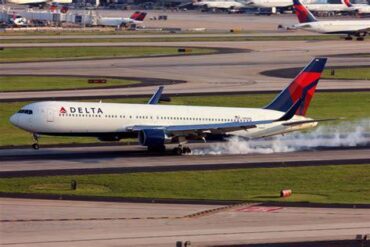
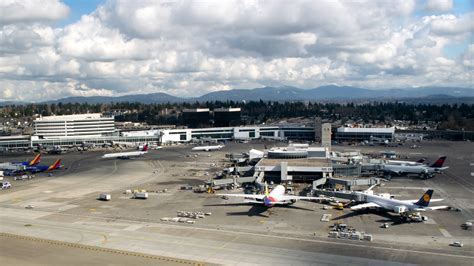
The approach to SEA Airport was smooth but loaded with urgency. Ground-based EMTs and emergency responders were already on standby, alerted mid-air by the crew through Delta’s operations network. Upon arrival, the aircraft was immediately met by a team of paramedics at the gate.
The unwell passenger was carefully deplaned and rushed to a local hospital, his condition stabilized enough to allow for rapid ambulance transfer. Sources close to the situation indicate that the passenger’s odds of survival were significantly enhanced by the crew’s swift action and the seamless handover to emergency personnel.
Operational Disruption: Ground Time, Crew Fatigue, and Scheduling Tensions
Once on the ground, the impact of the unscheduled stop began to take shape. Under FAA duty time regulations, pilots and cabin crews are strictly limited in the number of hours they can legally operate flights. The delay incurred during the emergency, combined with the time already logged since departing Seoul Incheon Airport (ICN), meant that the original crew could not continue to Minneapolis.
Delta was left in a difficult position. The aircraft was grounded for roughly two additional hours as the airline worked to either locate a replacement crew in Seattle or delay continuation of the flight until crew rest requirements were met. Passengers, many of whom were already weary, were eventually allowed to disembark.
This delay spiraled into a wave of operational consequences: missed connections, confused itineraries, and a cascade of delays across the network. The incident exposed the fragile domino effect that one medical emergency can trigger across a tightly interwoven flight schedule.
Passenger Rebooking Confusion Reveals Tech Shortfalls
For many travelers on DL170, the end of the medical emergency marked the beginning of logistical frustration. Delta’s digital infrastructure, while robust under normal conditions, faltered under the irregular operations brought on by the diversion. The Delta mobile app failed to register Seattle as the arrival city, rendering it useless for automated rebooking.
Instead, passengers were directed to in-terminal agents for assistance. Long lines quickly formed, and agents had to manually override ticketing systems to rebook travelers. This often involved direct phone communication with Delta’s central operations, increasing the time each rebooking took. Travelers described the process as chaotic, inconsistent, and, at times, emotionally draining.
While some passengers were lucky enough to be rebooked onto flights later that day, others opted to wait for the original flight to resume. In either case, the human impact was tangible—lost time, altered plans, and the realization that even minor disruptions can become major headaches without agile systems in place.
Medical Diversions: Rare But Inevitable in Modern Air Travel
Medical emergencies like the one on DL170, while rare, are not unprecedented. According to industry research, 1 in every 600 commercial flights experiences a medical event serious enough to demand in-flight intervention. The frequency is higher on long-haul international routes, especially those carrying older demographics or lasting over 10 hours.
Delta, like other major airlines, equips its aircraft with comprehensive emergency medical kits, automated external defibrillators (AEDs), and ensures flight attendants receive extensive emergency response training. Additionally, in-flight connectivity with MedAire or MedLink, ground-based emergency response systems, plays a vital role in assisting crews with real-time decisions.
However, the operational ripple effects of a diversion can be immense. From rebooking flights to repositioning aircraft and crew, one decision in the interest of safety can cost the airline hundreds of thousands of dollars and trigger delays affecting thousands of travelers across its network.
A Human-Centered Success Amid Operational Setbacks
Despite the disruptions, Delta’s crew was widely praised for their quick response, professionalism, and empathy. Eyewitness accounts detailed how flight attendants provided not only physical support to the ailing passenger but also reassurance to fellow travelers, explaining the situation transparently while maintaining calm in the cabin.
Passengers also commended the onboard doctor and nurse, whose readiness to assist saved valuable time. The coordination between air and ground teams illustrated the effectiveness of Delta’s medical emergency protocols—proof that when every second counts, training and communication make the difference.
Lessons for the Industry: Technology, Training, and Trust
The DL170 emergency brings to the fore several critical industry takeaways:
- Medical emergencies in-flight are inevitable, especially as global travel returns to pre-pandemic volumes.
- Crew training and medical kit preparedness remain indispensable for immediate response.
- Technology infrastructure—particularly rebooking tools—must evolve to accommodate irregular operations seamlessly.
- Passenger communication protocols should continue to prioritize transparency, empathy, and rapid updates.
This incident also reveals an important truth about the airline business: aviation is as much about human care as it is about machinery and logistics. Operational setbacks may frustrate, but what passengers remember are the people who showed up to help.
Closing Thoughts: Safety First, Always
As international air travel continues to surge post-2020, events like the DL170 diversion underscore the enduring complexity of airline operations. Behind every safe landing is a network of decisions, training, and human resolve.
Delta’s response on July 6 serves as a reminder that while disruption is sometimes inevitable, the standard for passenger care remains uncompromising. Lives come first, no matter the cost in hours or logistics. In the high skies of modern aviation, this ethos continues to guide every descent, every diversion, and every decision.