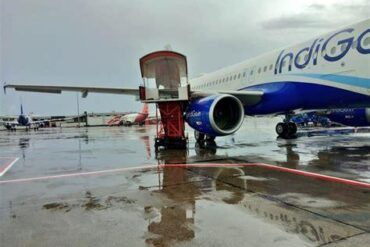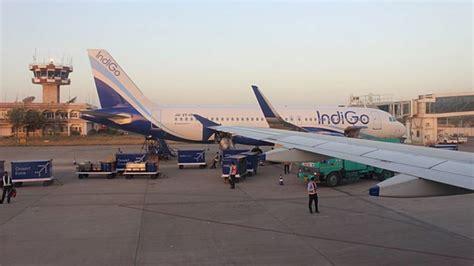
An IndiGo-operated flight, traveling from Guwahati to Chennai, was compelled to make an emergency landing at Bengaluru due to a significant mid-air fuel anomaly. This incident, which occurred on June 20, 2025, has raised serious concerns regarding air safety and operational preparedness in India’s rapidly expanding aviation sector. As the aircraft ascended to cruising altitude, the crew detected a critical shortage of fuel that posed a serious operational hazard, prompting immediate action in accordance with established aviation safety protocols.
The flight was carrying approximately 168 passengers when the pilot, upon recognizing the fuel deficiency, coordinated with air traffic control to safely divert the aircraft to Kempegowda International Airport in Bengaluru. The decision to reroute was executed efficiently, showcasing the crew’s training and adherence to safety measures. Following a seamless landing, the aircraft underwent immediate refueling and safety checks before being cleared to continue its journey to Chennai shortly thereafter.

This incident is part of a broader pattern of in-flight emergencies affecting Indian carriers, as on the same day, three commercial flights operated by major airlines, including Air India, faced similar challenges due to low fuel warnings and technical malfunctions. These disruptions impacted hundreds of travelers and have sparked renewed scrutiny over the safety protocols in place within the industry.
Critical Fuel Management in Aviation Operations
The importance of effective fuel management cannot be overstated, particularly on longer domestic routes where operational efficiency is paramount. The unexpected diversion of the Guwahati-Chennai flight serves as a reminder of the intricacies involved in flight planning and fuel reserve management. During the flight, the crew’s ability to identify and respond to the fuel anomaly not only ensured passenger safety but also exemplified the robustness of emergency procedures.
In this instance, ground staff played a crucial role in confirming the aircraft’s readiness for continuation after refueling. Although the delay caused inconvenience, all passengers remained safe throughout the ordeal, and timely communication from the airline alleviated potential concerns regarding their safety.
Rising Incidents in Indian Aviation
The series of events witnessed on this day, including the emergency landing of the IndiGo flight, highlights an alarming trend within the Indian aviation landscape. With increasing passenger volumes and an expanding network of routes, operational pressures on airlines are mounting. IndiGo and Air India, as two of the largest operators, manage hundreds of flights daily and are expected to adhere to stringent safety protocols. However, the recurrence of mid-air diversions raises questions about the underlying systemic issues that may be contributing to these incidents.
Experts suggest that high utilization rates of aircraft, coupled with congested airspace and tight turnaround schedules, may be factors leading to a rise in operational challenges. Notably, while low fuel alerts and in-flight malfunctions are not commonplace, their occurrence in close succession indicates a need for a comprehensive review of operational practices across the sector.
Precautionary Returns: A Safety-First Approach
Other notable incidents on the same day included an IndiGo flight from Delhi to Leh, which returned mid-air due to a technical issue. The pilot made the prudent decision to return to Delhi after discovering the malfunction, prioritizing passenger safety above all else. Similarly, an Air India flight bound for Vietnam also made an unplanned return to Delhi due to an unspecified safety concern, demonstrating the airlines’ commitment to rigorous safety standards.
Despite the inconveniences these diversions may cause, they reflect an industry-wide emphasis on safety and the proper functioning of safety systems. Aircraft are equipped with advanced diagnostic tools, and pilots undergo extensive training to address any anomalies effectively. Such decisive actions, though disruptive, reaffirm the industry’s commitment to safeguarding passenger welfare.
Passenger Experience and Communication
The impact of these emergency situations extends beyond mere delays; they affect travel plans and connections for many passengers. Both IndiGo and Air India proactively communicated with affected travelers, issuing statements affirming their safety and the rationale behind the rerouting decisions. Effective communication is paramount during such crises, and both airlines managed to keep passengers informed about delays, reasons for diversions, and revised travel plans.
In each case, timely announcements from the onboard crew and coordination with ground teams ensured that passengers were aware of their circumstances, helping to maintain trust in the airlines’ operational integrity.
The Future of Aviation Safety in India
India’s aviation sector, recognized as one of the fastest-growing globally, faces the dual challenge of expansion while maintaining uncompromised safety standards. The recent spate of flight diversions involving IndiGo and Air India underscores the critical need for proactive decision-making, real-time diagnostics, and thorough pilot training to ensure operational resilience.
As new routes are continuously added and passenger volumes rise, it is essential for airlines to focus on technical reliability and adequate fuel reserves. Regulatory authorities, including the Directorate General of Civil Aviation (DGCA), are likely to scrutinize these incidents further, potentially introducing stricter guidelines surrounding fuel management and maintenance practices to mitigate risks in the future.
In conclusion, while the emergency landing of the IndiGo flight from Guwahati to Chennai was an unsettling event for passengers, it served as a powerful demonstration of the effectiveness of aviation safety protocols. The ability of the flight crew to navigate a mid-air crisis successfully emphasizes the importance of safety in India’s burgeoning aviation ecosystem. As the industry continues to grow, striking the right balance between expansion and operational safety will be crucial in protecting the skies.