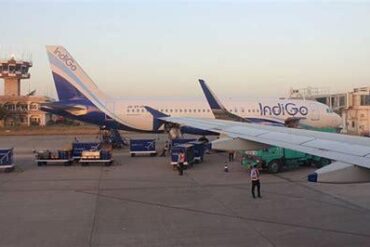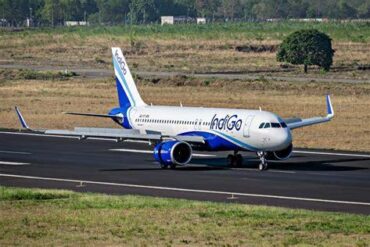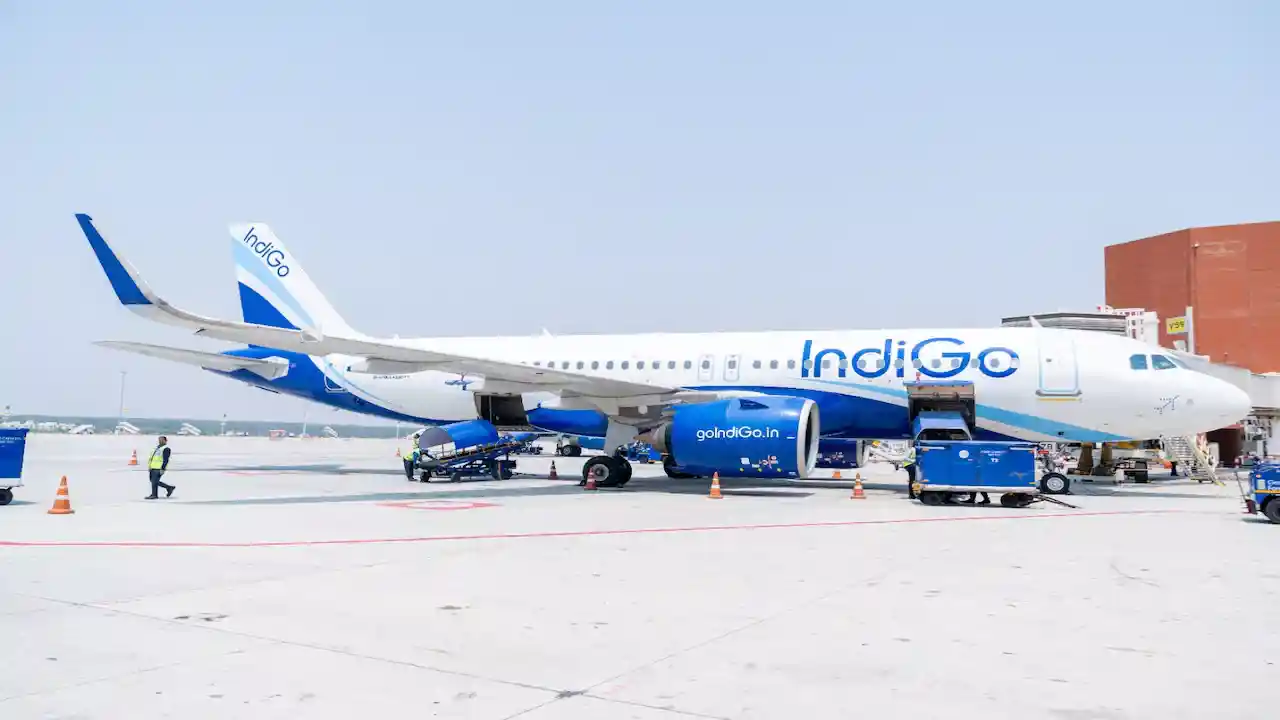
On the evening of July 16, 2025, an IndiGo Airbus A320neo, operating as Flight 6E 6271 from Delhi to Goa, was forced to execute an emergency landing in Mumbai after suffering a reported mid-air engine failure. The incident has reignited concerns surrounding the Pratt & Whitney PW1127G-JM engines, part of the GTF series, which have been linked to multiple operational disruptions across global fleets.
The aircraft involved, registered VT-IZB, departed Indira Gandhi International Airport at approximately 20:16 local time, already delayed from its usual 19:30 slot. As it cruised at 34,000 feet, roughly 130 nautical miles north of Mumbai, the flight crew reported a malfunction in one of the two engines, prompting an immediate declaration of full emergency at Chhatrapati Shivaji Maharaj International Airport.
By 21:35 local time, all emergency protocols had been activated, and the aircraft successfully touched down on runway 27 at 21:52, with 173 passengers onboard. Thankfully, the landing proceeded without incident, and all passengers were safely deboarded. IndiGo confirmed that a technical snag was detected during the flight but refrained from sharing specific technical details pending further investigation.
Aircraft Details and Technical Profile
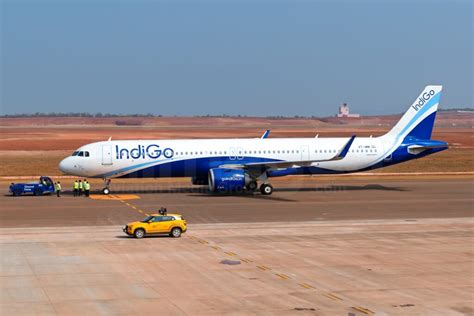
The aircraft in question is part of IndiGo’s extensive Airbus A320neo fleet, a critical component of the airline’s short- and medium-haul operations. Delivered in 2018, the six-year-old VT-IZB has clocked more than 21,400 flight hours across 12,000+ flights, according to fleet data from ch-aviation. The jet is powered by Pratt & Whitney PW1127G-JM engines, which have been the subject of growing scrutiny due to recurring reliability issues.
In recent months, nearly 44 of IndiGo’s 184 A320neo aircraft have been grounded, primarily due to concerns linked to these very engines. While the airline continues to deploy the aircraft on high-frequency domestic routes, VT-IZB has also performed international operations to Dubai, Sharjah, and Bangkok, further raising questions about the impact of recurring engine issues on long-haul route planning and scheduling.
Passenger Safety and Airline Response
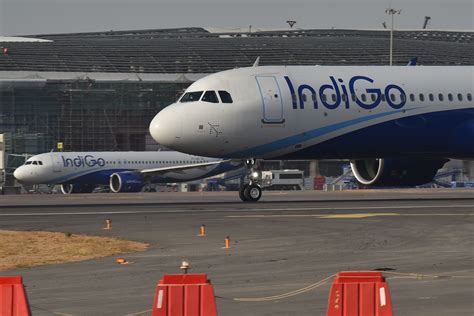
The swift response by the flight crew and ground emergency services ensured that the situation remained under control. After the safe landing in Mumbai, IndiGo arranged an alternate aircraft to transport passengers to their intended destination, Manohar International Airport in Goa. In its official statement to The Times of India, an airline spokesperson reiterated that the incident followed standard operating procedures, underscoring the crew’s adherence to emergency protocols.
“A technical snag was detected on flight 6E 6271 while flying from Delhi to Manohar International Airport, Goa on July 16. Following procedures, the aircraft was diverted and landed at Chhatrapati Shivaji Maharaj International Airport, Mumbai.”
The jet will remain grounded for inspection and maintenance, according to IndiGo, pending a full engineering evaluation and regulatory clearance before returning to service.
Recurring Engine Troubles: A Broader Pattern
This incident marks yet another entry in the growing list of engine-related emergencies affecting IndiGo’s narrowbody fleet. Just last year, on August 29, 2023, the airline faced two separate A321neo engine incidents on the same day. The first was on Flight 6E2012 from Madurai to Mumbai, where the crew reported high engine vibration, low oil pressure, and eventually an engine stall during descent. Within hours, Flight 6E455 from Kolkata to Bengaluru was forced to return to Kolkata after the cockpit instruments indicated a similar threat.
Following those events, India’s Directorate General of Civil Aviation (DGCA) initiated formal investigations. The findings pointed to the presence of metallic chips in the engines’ oil chip detectors, signaling deeper concerns tied to the durability and performance consistency of the Pratt & Whitney GTF engines.
The GTF engine series, despite its promise of improved fuel efficiency and reduced emissions, has encountered persistent reliability challenges across global operators. Airlines from Europe to Asia have had to juggle grounded aircraft, engine swaps, and disrupted schedules. For IndiGo, the world’s largest A320neo operator by fleet size, the stakes are especially high. The grounded aircraft represent not just capacity losses, but a direct impact on network integrity and customer satisfaction.
Operational and Strategic Implications for IndiGo
As of mid-2025, IndiGo is facing escalating operational pressure. With a fleet exceeding 320 aircraft, including over 180 A320neo jets, its reliance on the GTF-powered narrowbodies remains a double-edged sword. While the aircraft offer exceptional economics when functioning optimally, ongoing maintenance issues have compelled the carrier to frequently reshuffle aircraft, delay routes, and withdraw aircraft for extended inspections.
Sources close to the airline indicate that IndiGo’s fleet planners are now prioritizing operational resilience by adjusting schedules to include longer turnaround times and strategic aircraft swaps, especially on routes previously serviced by GTF-powered aircraft. Additionally, there’s been speculation that IndiGo may accelerate its transition to alternative engine options, possibly considering CFM LEAP-1A-powered A320neo variants in future procurement rounds.

Passenger Trust and Regulatory Oversight
The latest incident underscores a critical dimension of aviation safety—passenger confidence. While no injuries or fatalities occurred in this event, and while the crew demonstrated excellent professionalism, the recurrence of similar incidents risks eroding public trust in both the airline and the engine manufacturer.
India’s DGCA, already stretched with safety oversight due to the exponential growth of domestic aviation, is now under pressure to tighten inspections, enforce stricter engine performance standards, and potentially issue flight restrictions on aircraft showing early signs of wear or degradation. Aviation experts suggest that periodic oil chip inspections, vibration monitoring, and real-time engine health tracking must become mandatory protocols—not just advisories—for airlines operating GTF engines.
What Lies Ahead for Pratt & Whitney and IndiGo
For Pratt & Whitney, the ongoing issues represent not just a technical challenge, but a reputational and commercial one. As more airlines raise concerns, and as regulators across jurisdictions demand reliability upgrades, the engine maker must expedite retrofits, ensure supply chain readiness, and strengthen its after-sales support for operators like IndiGo.
Meanwhile, IndiGo finds itself at a crossroads. As India’s dominant low-cost carrier with an ambitious expansion plan, including nonstop long-haul ambitions, fleet reliability is non-negotiable. Incidents like the July 16 emergency landing cast a long shadow over those ambitions. Whether through enhanced crew training, investment in engine maintenance, or strategic fleet diversification, the airline must respond with urgency.

The July 16 event, while resolved safely, is more than an isolated occurrence. It is a symptom of deeper engineering and operational vulnerabilities in India’s most prolific airline. It’s a moment for pause, investigation, and most importantly—corrective action.
Conclusion: A Flight Diverted, A Warning Amplified
The emergency landing of IndiGo Flight 6E 6271 serves as a stark reminder that even modern aviation, despite its technological sophistication, remains vulnerable to the complex interplay between machinery, maintenance, and management. While the safety systems worked as intended and passengers were unharmed, the incident highlights critical issues affecting India’s aviation ecosystem.
With over 44 A320neo aircraft grounded, IndiGo must confront a fleet-wide engine problem that goes beyond operational inconvenience. It demands transparency, swift technical responses, and collaboration with regulators and manufacturers. Anything less risks undermining not just an airline’s credibility, but the very safety net upon which commercial aviation rests.