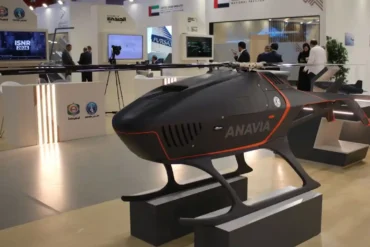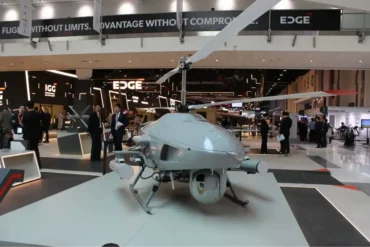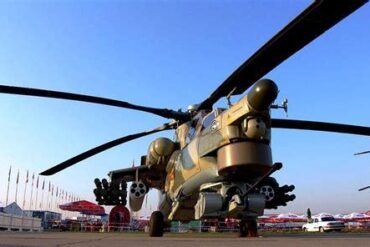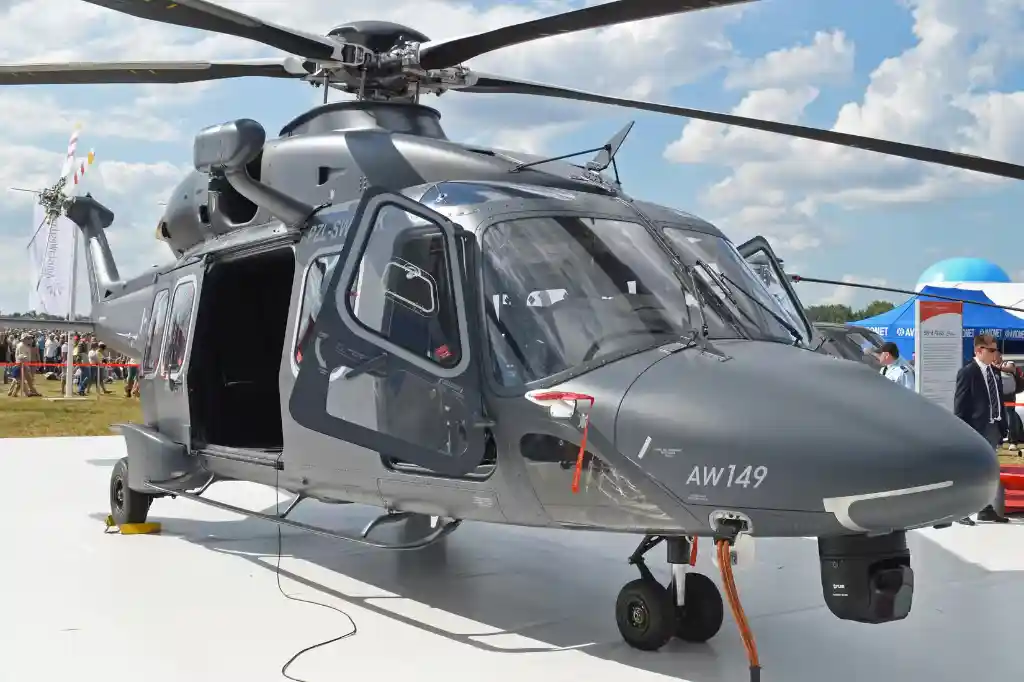
Britain’s military helicopter fleet is approaching a critical transition period that could leave the armed forces with fewer helicopters than operational commitments require. Beginning in 2027, the retirement of the British Army’s Leonardo Wildcat AH1 fleet will create a capability gap that reflects a much larger transformation in the UK’s defense strategy. Instead of replacing every retiring aircraft with new crewed helicopters, the Ministry of Defence (MoD) is shifting investment toward autonomous systems, advanced drones, and next-generation rotorcraft technologies.
The problem is not simply the number of helicopters available. It is the timing between old aircraft leaving service and new capabilities becoming fully operational. Britain’s armed forces rely on helicopters for a wide range of missions, including troop transport, reconnaissance, special operations support, casualty evacuation, amphibious assaults, and overseas deployments. Many of these roles still require crewed aircraft, meaning the transition toward unmanned systems cannot happen overnight.
Britain’s Helicopter Fleet Is Entering a Dangerous Procurement Gap
The UK’s current helicopter shortage is the result of several modernization decisions happening at the same time. Rather than a single procurement failure, the emerging gap is caused by overlapping retirements, delayed replacements, and a strategic decision to accept temporary reductions in traditional aviation capability while investing in future technologies.
The first major reduction came in 2025, when the Royal Air Force retired its Puma HC2 helicopters after more than five decades of service. The Puma fleet had received significant upgrades during its operational life, but eventually reached a point where additional investment became increasingly difficult to justify. Its retirement removed a proven medium-lift platform that had supported troop movements, humanitarian operations, and overseas missions.
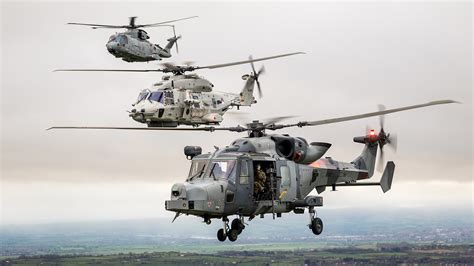
The next major change arrives in 2027, when the British Army begins retiring its fleet of 34 Wildcat AH1 helicopters. Unlike the Puma, the Wildcat is not leaving service because it has reached the end of its technical lifespan. Instead, the decision reflects a shift in defense priorities, with funding redirected toward autonomous reconnaissance systems and future battlefield technologies.
The result is an unusual situation: Britain will retire relatively modern helicopters before their direct replacements are ready. This creates a period where military requirements remain high while available aircraft numbers decline.
The Wildcat AH1 Retirement Creates a Major Capability Challenge
The Wildcat AH1 has played an important role within the British Army’s aviation structure. Designed primarily for battlefield reconnaissance, command and control, liaison missions, and light utility operations, the helicopter provides commanders with rapid situational awareness and tactical mobility.
Although the Wildcat is smaller than heavy-lift helicopters such as the Chinook, it fills a unique operational role. Its sensors, agility, and ability to operate close to frontline forces make it valuable for intelligence gathering and battlefield coordination.
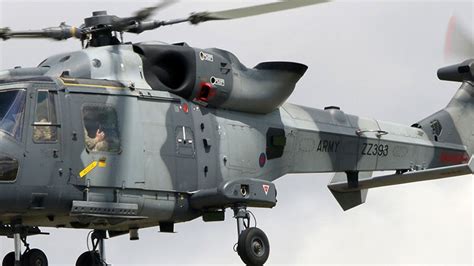
When the Wildcat AH1 retires, Britain will lose a dedicated crewed reconnaissance helicopter capability. The Army expects unmanned aerial systems to replace many of these missions, particularly intelligence, surveillance, and target acquisition tasks. However, drones cannot yet fully replicate every role performed by a manned helicopter.
A helicopter crew can interpret complex battlefield situations, communicate directly with ground forces, adjust missions instantly, and operate in unpredictable environments. These human decision-making capabilities remain particularly important during high-risk operations.
The retirement therefore represents more than removing 34 aircraft from inventory. It marks a transition from a traditional helicopter-based model toward a hybrid force where crewed aircraft and autonomous systems operate together.
AW149 Replacement Will Arrive Too Late to Prevent the Gap
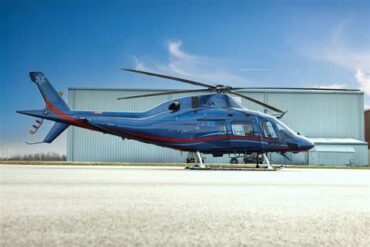
Britain has already selected the helicopter intended to replace much of the capability lost after Puma retirement. In 2026, Leonardo’s AW149 was chosen as the winner of the UK’s New Medium Helicopter (NMH) competition.
The contract, valued at approximately £1 billion, will deliver 23 helicopters designed to replace aging medium-lift aircraft. The AW149 offers modern avionics, improved digital systems, increased payload capability, and better interoperability with NATO forces.
However, the biggest challenge is not the aircraft itself. It is the delivery schedule.
The first AW149 helicopters are not expected to enter service until around 2030, with deliveries continuing into the early 2030s. This means Britain faces several years where retired aircraft will not have direct replacements available.
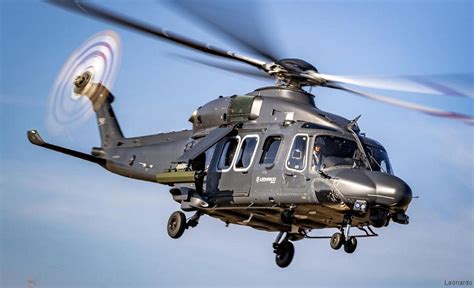
The AW149 will improve quality, but questions remain about quantity. The planned fleet of 23 aircraft is smaller than the combined capability previously provided by older medium helicopters. While newer aircraft are more capable individually, fewer airframes could limit operational flexibility.
Military aviation depends heavily on availability rates. A helicopter fleet must support training, maintenance, deployments, exercises, and unexpected crises simultaneously. A smaller fleet can quickly become stretched when multiple demands appear at the same time.
Airbus H145 Helicopters Provide Only a Temporary Solution
To reduce the impact of the Puma retirement, Britain has introduced six Airbus H145 Jupiter HC2 helicopters. These aircraft are primarily intended to support overseas operations, including missions at RAF Akrotiri in Cyprus and Brunei.
The H145 is a modern and highly capable light helicopter. It offers excellent reliability, advanced avionics, and lower operating costs compared with larger aircraft. For missions such as transport between bases, medical evacuation, and limited utility operations, it provides an efficient solution.
However, the H145 cannot replace the full capability of a medium helicopter fleet.
The aircraft carries fewer troops, has less cargo capacity, and has a shorter operational range compared with platforms such as the Puma or future AW149. It is best viewed as a specialized support asset rather than a complete replacement.
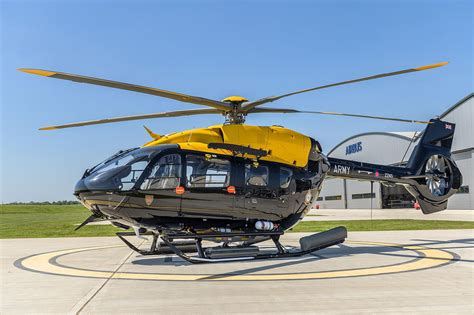
The purchase highlights Britain’s broader approach during this transition period. Instead of maintaining large numbers of traditional helicopters, the MoD is using smaller numbers of modern aircraft while waiting for future technologies to mature.
This approach may reduce costs and encourage innovation, but it also creates operational risks if unexpected conflicts or humanitarian emergencies require greater helicopter capacity.
Britain Is Betting on Drones to Replace Traditional Helicopter Missions
A major reason behind Britain’s reduced helicopter numbers is the growing focus on autonomous military systems. The UK government’s defense investment plans include billions of pounds for unmanned technologies across multiple domains.
For reconnaissance missions, drones already provide valuable capabilities. They can remain airborne for long periods, collect intelligence, and operate without risking pilots. These advantages make unmanned systems attractive alternatives to some traditional helicopter missions.
The retirement of the Wildcat AH1 reflects this changing philosophy. Instead of purchasing another dedicated reconnaissance helicopter, Britain expects autonomous aircraft to perform many surveillance and battlefield information roles.
However, drones still have limitations.
Search-and-rescue missions, special forces operations, and amphibious assaults require flexibility that current unmanned systems cannot fully provide. Extracting personnel from hostile environments, carrying troops into complex terrain, or supporting Royal Marines during ship-based operations still requires aircraft with human crews.
The challenge for Britain is finding the correct balance. Investing too heavily in traditional helicopters could leave the military behind technologically. Moving too quickly toward autonomous systems could create dangerous capability gaps before replacements are mature.
NATO’s Future Rotorcraft Program Will Not Solve the Immediate Problem
Britain is also participating in the Next Generation Rotorcraft Capability (NGRC) initiative alongside other NATO members. The program aims to develop a new generation of military rotorcraft that could replace existing helicopter fleets from the late 2030s onward.
The NGRC program represents the long-term future of European military aviation. It could introduce faster, more efficient, and more connected rotorcraft designed around modern battlefield requirements.
However, it will not solve Britain’s immediate helicopter shortage.
Current expectations suggest that operational aircraft from the program are unlikely to enter service before approximately 2038. That leaves Britain dependent on existing helicopters, AW149 deliveries, and autonomous systems throughout much of the 2030s.
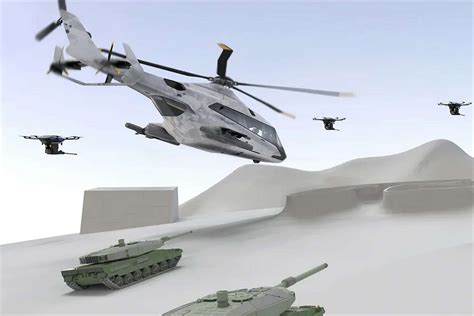
The timeline creates a difficult period for British defense planners. Between 2027 and the early 2030s, the country must manage reduced helicopter numbers while maintaining global commitments.
Britain’s Helicopter Shortfall Is About More Than Aircraft Numbers
The debate surrounding Britain’s helicopter fleet is often focused on how many aircraft are available. However, the deeper issue is capability.
Helicopters remain among the most flexible military assets because they combine mobility, speed, and the ability to operate where fixed-wing aircraft cannot. They can move troops from ships to shore, evacuate wounded personnel, deliver supplies, support special forces, and respond quickly to emergencies.
These missions cannot always be replaced by drones or other technologies.
A drone may observe a battlefield, but it cannot currently carry a squad of fully equipped soldiers into difficult terrain. An autonomous aircraft may provide surveillance, but it cannot replace the judgment of a rescue crew during a complex extraction mission.
Britain’s strategy is therefore a calculated risk. If autonomous technology develops quickly and AW149 deliveries remain on schedule, the current reduction may become a temporary phase during a successful modernization effort.
However, if drone development progresses slower than expected or future operational demands increase, the period beginning in 2027 could become one of the most challenging eras for British military helicopter capability since the end of the Cold War.
The UK’s helicopter future will depend on whether it can successfully bridge the gap between today’s shrinking fleet and tomorrow’s autonomous battlefield. Until then, Britain’s armed forces will have to do more missions with fewer helicopters.