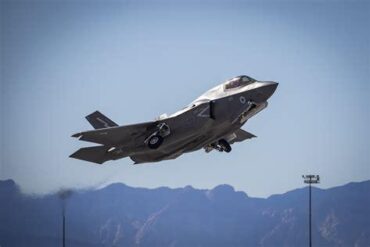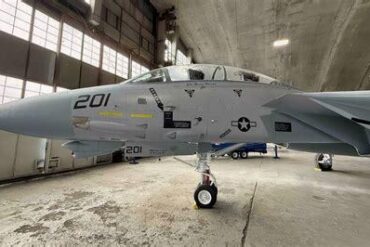
The U.S. Air Force is approaching the end of Fiscal Year 2026 without meeting a fighter fleet requirement established by Congress. The service currently operates about 1,098 fighter aircraft, compared with the mandated minimum of 1,145, leaving a shortfall of 47 aircraft as the fiscal year closes on September 30.
The requirement illustrates how closely congressional decisions can shape the Air Force’s force structure. Congress does not simply provide funding; it can also establish minimum force levels intended to preserve military readiness. In this case, the gap has emerged while the service is simultaneously trying to modernize an aging fleet, introduce new aircraft, and prepare for future combat concepts.
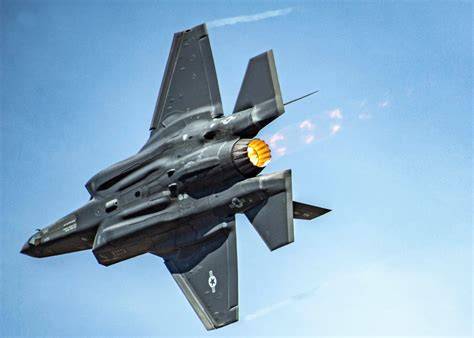
The Air Force’s fighter inventory includes advanced aircraft such as the F-22 Raptor and F-35A Lightning II, alongside upgraded platforms including the F-15EX Eagle II and F-16V Viper. Yet the fleet has an average age of approximately 27.4 years, highlighting the difficulty of maintaining sufficient numbers while older fighters approach retirement and newer aircraft enter service.
Why the Air Force Is Falling Short of the 1,145-Fighter Requirement
The 47-aircraft gap may appear relatively small when measured against the overall size of the U.S. military, but its significance goes beyond a simple aircraft count. The Air Force has reported to Congress that it will not meet the FY2026 requirement and has proposed changing the way its fighter inventory is calculated.
Currently, the relevant figure is based on the Primary Mission Aircraft Inventory (PMAI). The Air Force has suggested using a broader Combat-Coded Total Aircraft Inventory instead, which could include aircraft that are assigned to combat units but are not counted as primary mission aircraft. Such a change could alter the accounting without necessarily adding new fighters to the physical fleet.
Aging Fighters and Rising Sustainment Costs
Buying additional fighters would provide another way to close the numerical gap, but procurement is only one part of the challenge. The cost of sustaining Air Force weapon systems has increased substantially, with the service reporting growth of as much as $950 million since FY2019. At the same time, an annual weapon-system sustainment shortfall of nearly $400 million adds pressure to an already expensive modernization effort.
Personnel creates another constraint. Aircraft acquired by the Air Force do not automatically translate into additional operational capacity if there are insufficient pilots and other personnel to operate them. This becomes especially important as the service modernizes both its active-duty fleet and aircraft assigned to the Air Force Reserve and Air National Guard.
What the Fighter Shortfall Means for Future Air Force Plans
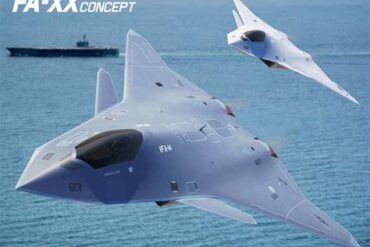
The immediate issue also intersects with a much larger modernization objective. The Air Force has previously targeted a fighter fleet of roughly 1,588 aircraft by 2035, potentially incorporating the future F-47 sixth-generation fighter alongside existing and next-generation platforms.
Collaborative Combat Aircraft could eventually provide additional combat capability, but the Air Force has indicated that these uncrewed systems are intended to supplement rather than replace crewed fighters. Consequently, they are unlikely to provide a straightforward solution to a congressional requirement specifically tied to fighter inventory.
Congress must now determine how to respond, including whether to retain the existing requirement, modify the counting methodology, or move the target to a later fiscal year. The reported proposal would push the requirement toward FY2036, beginning October 1, 2035. Whatever decision follows, the debate demonstrates that maintaining fighter numbers is becoming increasingly complicated as the Air Force balances aging aircraft, rising sustainment costs, personnel requirements, and an increasingly ambitious modernization program.