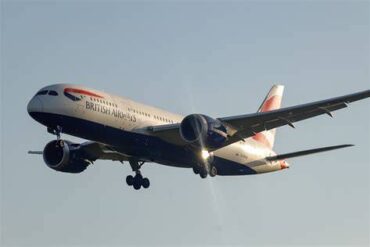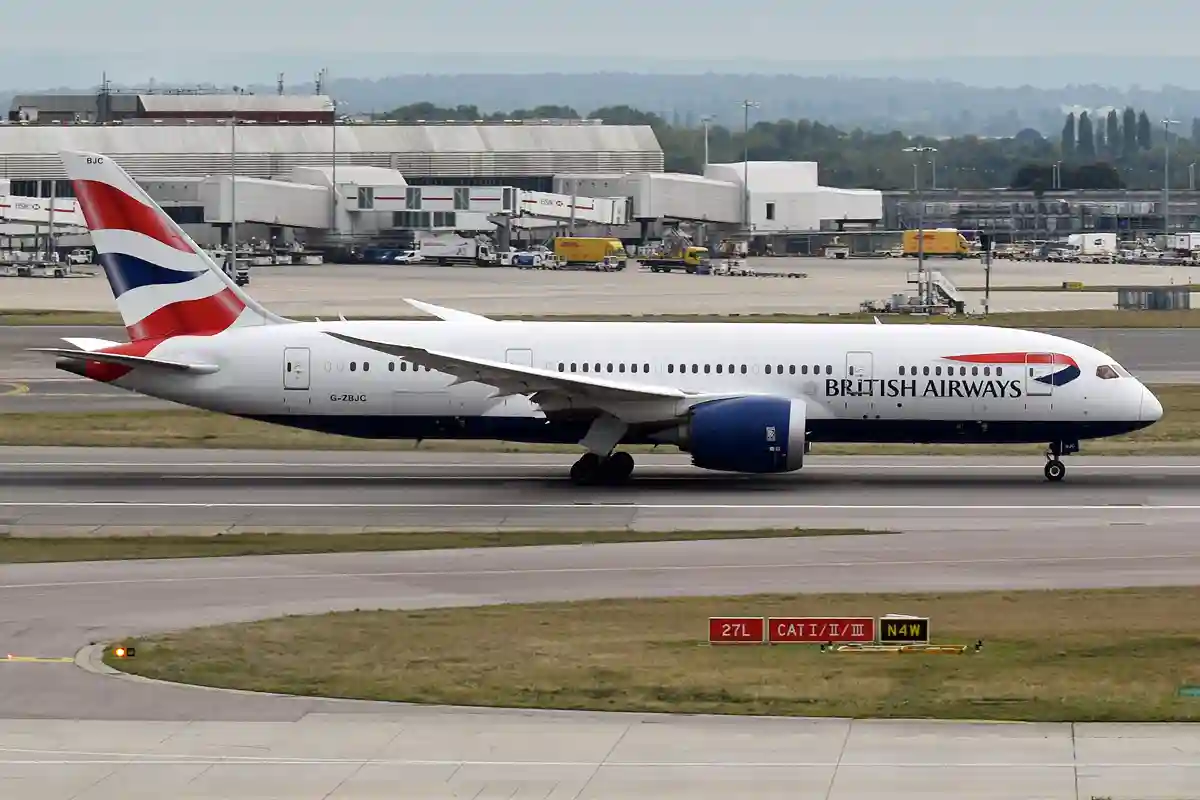
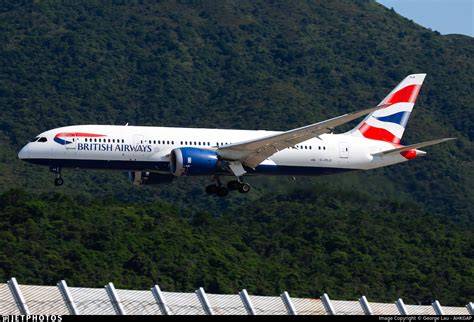
British Airways’ Boeing 787-8 Dreamliner registered G-ZBJF has now spent more than 70 days parked at Pittsburgh International Airport (PIT) in Pennsylvania, grounded by structural damage that has proved far more intricate to fix than a routine ramp incident would suggest. The aircraft touched down at Pittsburgh on August 28 after flying BA171 from London Heathrow (LHR), a transatlantic sector of roughly 3,233 nautical miles (5,987 km), departing Heathrow five minutes early at 4:40 PM and landing at approximately 8:23 PM local time. Its return service to London that night never operated, and flight tracking data and repeated visual sightings confirm the widebody is still sitting on Pennsylvania soil rather than flying paying passengers.
The Ground-Handling Incident That Grounded a Dreamliner
Accounts circulating among aviation enthusiasts, including discussions on Reddit, describe a mobile baggage belt loader striking the airframe beneath one of the 787’s bulk cargo doors during turnaround handling. The equipment reportedly was raised into position and pierced the fuselage, leaving a visible hole in the cargo bay’s exterior. Beyond that description the precise sequence of events remains unconfirmed by British Airways or the airport, yet the aircraft’s extended stay is itself evidence that what began as a ground-service collision escalated into a structural engineering problem rather than a cosmetic repair. Ramp collisions happen with regularity across global aviation, but the difference between a patched panel and a grounded widebody often lies in what sits behind the exterior skin.
Why Composite Construction Makes Repairs So Demanding
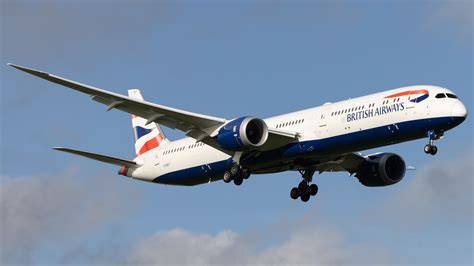
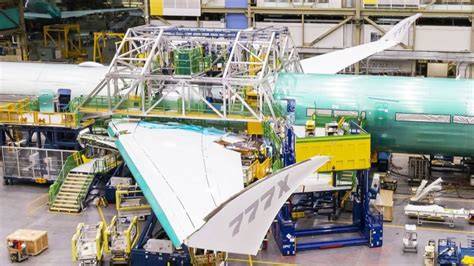
The 787’s construction sits at the heart of the delay. Roughly 50% of the Dreamliner’s primary structure is built from composite materials, including substantial portions of the fuselage and wings, a departure from the aluminum airframes that dominated aviation for decades. Composites deliver weight savings and corrosion resistance, but they also demand specialized inspection methods and repair procedures when substantial structural damage occurs. A puncture in an aluminum skin can often be assessed, trimmed and patched by a qualified line engineer; a breach in a carbon-fiber fuselage barrel requires damage mapping, engineered repair schemes approved by the manufacturer, and technicians trained to work to Boeing’s specific composite repair standards. That expertise is concentrated in a small number of facilities worldwide, and Pittsburgh is not among them. One plausible path forward involves British Airways maintenance engineers constructing a specialized patch for the aircraft’s exterior, permitting a one-off flight to a larger maintenance base capable of handling the full repair.
The FAA Paperwork Behind a Ferry Flight
Moving G-ZBJF even to a nearby facility is not a simple matter of fueling it and filing a flight plan. A damaged aircraft must be cleared by the Federal Aviation Administration (FAA) through a special flight permit (SFP), commonly called a ferry permit, which authorizes flight that would otherwise breach airworthiness requirements. The application requires a documented repair or patch scheme, defined operational limitations such as altitude, speed and pressurization restrictions, and sign-off from certificated personnel confirming the aircraft is safe for the intended flight. In the case of composite fuselage damage the scrutiny is more exacting still, because the FAA, Boeing and the operator must agree that the temporary repair retains sufficient structural integrity for a non-passenger relocation. That process alone can consume weeks before wheels ever leave the ground.
Landing Gear Damage Deepens the Repair Puzzle
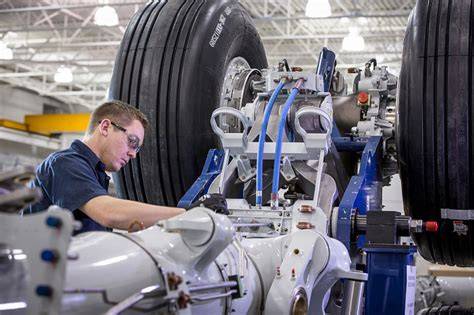
Compounding the structural problem, several reports indicate that G-ZBJF may also have sustained damage to its landing gear system. A person on Reddit claiming to be a British Airways engineer who worked on the Dreamliner said repair work was well underway before technicians encountered additional complications involving the landing gear. That account has not been independently verified, but it offers a credible explanation for a grounding that has stretched well past what a single fuselage puncture would typically demand. Landing gear work introduces a separate engineering discipline, its own parts logistics and its own return-to-service testing, and any ambiguity about gear integrity directly constrains whether the aircraft can be moved at all, since a ferry permit depends on demonstrated airworthiness of the aircraft systems that matter most during takeoff and landing.
Cincinnati, Seattle and the Search for a Capable Base
A separate report indicates British Airways could be preparing to reposition the 787 to Cincinnati Northern Kentucky International Airport (CVG) once temporary repairs are completed in Pittsburgh. Cincinnati hosts a sizable facility operated by FEAM Aero, a maintenance services provider, where the aircraft could receive more permanent structural work before returning to the United Kingdom. Ferrying G-ZBJF to Boeing’s 787 facilities in Seattle represents another option, since the planemaker itself is best equipped to handle repairs to the aircraft’s composite structure if the damage proves extensive. Each destination carries distinct advantages and logistical hurdles, and the eventual choice will likely reflect the outcome of damage assessments, FAA approvals and the availability of qualified composite technicians.
Parking Fees, Lost Revenue and a Twelve-Aircraft Fleet
Returning G-ZBJF to the skies is a pressing priority for the UK flag carrier, which operates 12 Boeing 787-8s according to Planespotters.net. The aircraft is about 12 years old, having first flown in April 2014 and been delivered to British Airways the following month. According to the Allegheny County Airport Authority (ACAA), which operates PIT, the prolonged stay has generated roughly $175,000 in gate parking charges alone, alongside potentially millions in repair costs and hundreds of thousands in lost revenue potential from an aircraft that should be earning on transatlantic routes. Insurance coverage and the ground service operator’s responsibility may absorb part of the parking bill, but no insurer restores the flying capacity a widebody represents to a long-haul network.
The Airframe That Barely Had a Chance to Fly
The Pittsburgh grounding is a second extended layoff for G-ZBJF within a single year. Tracking records show the Dreamliner arrived at Cardiff Airport (CWL) in Wales on December 19, 2025, where British Airways operates a major maintenance facility, and remained there through a D-check and long-term storage until August 6, 2026. It returned to commercial service on August 7, flying from Cardiff to London, then operated BA171 to Pittsburgh on August 28. In other words, the aircraft had been back in service for roughly three weeks before a belt loader brought it to a halt. That timing is deeply unfortunate for an airline managing fleet availability across a stretched transatlantic schedule, and it is a reminder that airplane economics reward consistent utilization.
The Logistical Challenge of Fixing a Widebody Far From Home
The G-ZBJF saga underscores the harsh logistics of repairing a widebody thousands of miles from primary maintenance facilities, particularly one built around a composite airframe. Whether the aircraft eventually returns to service directly from Pittsburgh or must first be repositioned to Cincinnati, Seattle or Britain remains one of the biggest unanswered questions. For now the Dreamliner continues to occupy space at PIT more than two months after its arriving flight, waiting on engineering assessments, regulatory approvals and the right set of skilled hands.