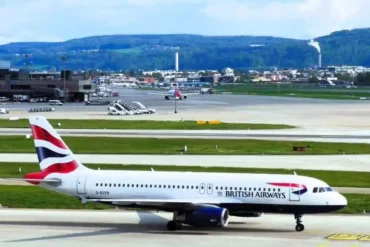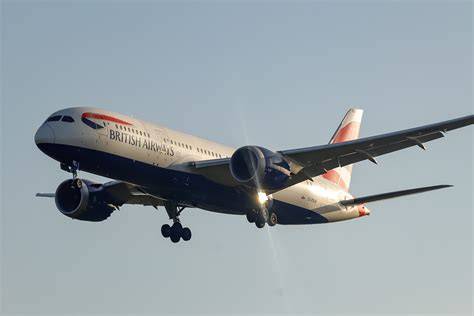
British Airways is set to make a notable series of changes to its London Heathrow (LHR) network, with five routes launching or returning between October and December 2026. The moves include a new Central American connection, a transfer of services from Gatwick, and the restoration of several routes that disappeared from Heathrow earlier in the year.
The changes underline the importance of Heathrow to British Airways even as the carrier maintains a broad network across London Gatwick (LGW) and London City Airport (LCY). While easyJet operates more flights overall in the UK, British Airways remains the country’s leading airline for long-haul flying, with Heathrow serving as the core of that operation.
According to OAG data covering September through December 2026, the five Heathrow changes are spread across international leisure, business, and visiting-friends-and-relatives markets. They also reveal how BA continues to adjust capacity between London’s airports rather than simply expanding its network.
British Airways’ Five Heathrow Route Changes
The first route to return is Tel Aviv, followed almost immediately by two services on October 25. British Airways will then restore Cologne in November before launching another new Heathrow market in December.
The complete schedule is:
- October 24, 2026 — Tel Aviv (TLV): Daily Airbus A321neo, returning after a suspension earlier in 2026.
- October 25, 2026 — San José, Costa Rica (SJO): Five weekly Boeing 787-8 flights, marking a new Heathrow market for BA and transferring the route from Gatwick.
- October 25, 2026 — Tampa (TPA): Five weekly Boeing 787-10 flights, moving from Gatwick to Heathrow.
- November 23, 2026 — Cologne Bonn (CGN): Mainly five weekly Airbus A320neo and A321neo flights, returning for the Christmas market season.
- December 13, 2026 — Fuerteventura (FUE): Two weekly Airbus A320neo flights, creating another new Heathrow market after BA EuroFlyer previously served the destination from Gatwick.
The combination is particularly interesting because not all five changes represent permanent network growth. Some are airport transfers, while others are seasonal or temporary resumptions.
San José Becomes a New Heathrow Destination
The most significant network development is arguably San José, Costa Rica, because Heathrow has never previously had a British Airways nonstop service to the Costa Rican capital.
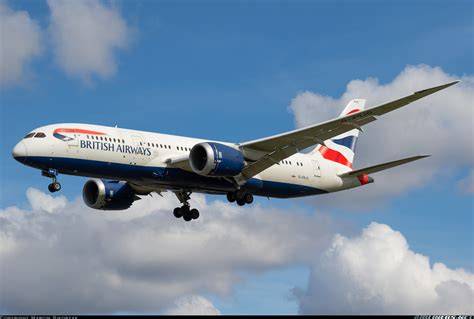
British Airways already serves San José from Gatwick, but moving the operation to Heathrow changes the proposition considerably. The route will use the Boeing 787-8, with five flights each week beginning October 25.
Costa Rica represents a meaningful market for UK travelers. OAG Traffic Analyzer data indicates that approximately 145,000 round-trip passengers traveled between the UK and Costa Rica during the 12 months through June 2026. That equates to roughly 400 passengers per day before accounting for seasonal variations.
The striking point is where those passengers currently originate. Only about 33,000 local passengers traveled between Gatwick and San José during the period examined, while approximately 74,000 traveled between Heathrow and San José despite having to connect elsewhere.
That suggests Heathrow has a much larger underlying customer base for Costa Rica than nonstop traffic figures alone might indicate.
Travelers currently have several options for connecting between Heathrow and San José through other airports. United Airlines, American Airlines, Air Canada, and Air France have all played roles in carrying connecting traffic, while Iberia ranked fifth in the referenced data.
BA will therefore be betting that a nonstop Heathrow service can capture passengers who prefer the convenience of avoiding a connection.
Heathrow to Tampa Moves From Gatwick
Tampa is undergoing a similar airport shift. British Airways has previously served Tampa International Airport from Gatwick, but from October 25 the service will move to Heathrow.
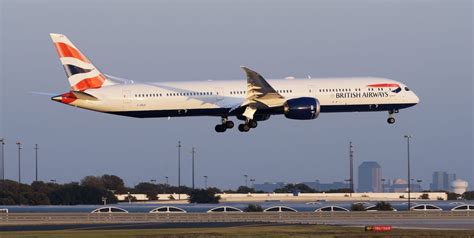
The route is scheduled to operate five times weekly with the Boeing 787-10, giving BA another opportunity to place a major leisure-oriented US destination inside its Heathrow network.
The move is notable because Heathrow and Gatwick serve different passenger markets. Heathrow is heavily oriented toward connecting traffic and premium corporate demand, while Gatwick has historically played a stronger role in point-to-point leisure flying for BA.
For Tampa, however, the Heathrow move indicates that British Airways sees enough demand to justify deploying a larger widebody aircraft and using scarce Heathrow capacity.
It will also create a situation in which British Airways and Virgin Atlantic both operate Tampa services from Heathrow, increasing competition on the route.
Tel Aviv Returns After Its 2026 Suspension
British Airways is also scheduled to resume Tel Aviv flights on October 24. The service will operate daily using the Airbus A321neo.
This route is somewhat different from the other additions because it is not really a conventional network expansion. BA had served Tel Aviv before suspending the route in February 2026 amid the wider regional security situation.
The planned return therefore represents a restoration of an established Heathrow market rather than the creation of a new destination.
The timing is also significant because other major international airlines are reassessing their Tel Aviv operations. The return of British Airways would restore an important link between Heathrow and Ben Gurion International Airport, although the operating environment remains dependent on the regional security situation.
Consequently, this route should be viewed as a planned resumption rather than guaranteed long-term capacity.
Cologne Returns for the Christmas Season
British Airways will bring Cologne Bonn Airport back to Heathrow on November 23, but the return will be temporary.
The airline previously served Cologne from Heathrow until March 2026, and at the time there was little expectation that the route would return. Instead, BA subsequently confirmed a seasonal operation designed primarily to capture demand associated with the city’s famous Christmas markets.
Flights will generally operate five times weekly, using Airbus A320neo and A321neo aircraft. The final departure is scheduled for December 28.
That makes Cologne an excellent example of how airline schedules can change rapidly in response to seasonal demand. A route can disappear from a network and return only months later when a specific demand window makes the economics more attractive.
Fuerteventura Adds Another Heathrow Market
The fifth change comes on December 13, when British Airways introduces Fuerteventura to its Heathrow network.
The Canary Islands destination will receive two weekly Airbus A320neo flights. The service is particularly interesting because BA EuroFlyer operated Fuerteventura from Gatwick until May 2026.
As with San José and Tampa, the Heathrow service therefore represents an airport transfer rather than an entirely new city-pair for the airline.
Fuerteventura is strongly associated with leisure travel, making its presence at Heathrow somewhat unusual. Nevertheless, BA’s decision demonstrates that Heathrow is not exclusively reserved for premium business routes or traditional corporate markets.
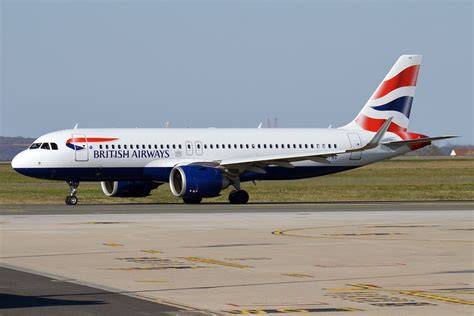
British Airways Controls More Than Half of Heathrow Flights
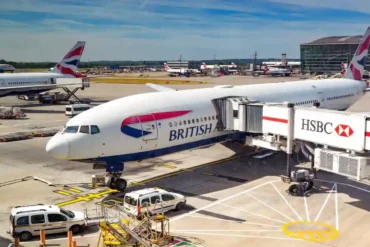
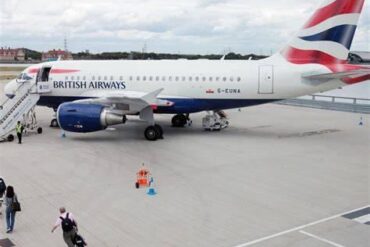
The five routes arrive against the backdrop of British Airways’ enormous presence at Heathrow. OAG data for September through December indicates that BA will account for around 51% of departing flights at the airport.
That is an extraordinary share, although it does not technically make Heathrow a fortress hub for BA. A commonly used benchmark places a fortress hub at approximately 70% or more of an airport’s flights.
Even so, the practical dominance is difficult to overlook. British Airways is scheduled to average roughly 659 Heathrow movements per day, counting arrivals and departures.
The carrier also has a substantial Heathrow widebody fleet. Its aircraft include the Airbus A350-1000, Airbus A380, Boeing 777-200ER, Boeing 777-300ER, Boeing 787-8, Boeing 787-9, and Boeing 787-10.
Ch-aviation data indicates that 119 of BA’s 131 widebody aircraft are based at Heathrow, reinforcing the airport’s role as the backbone of its international network.
Flight Numbers Tell Only Part of the Story
Despite BA’s dominance in flight numbers, its actual share of Heathrow capacity is considerably lower when aircraft size and distance are considered.
The airline represents around 45% of seats for sale at Heathrow during the period, according to the referenced analysis. That is significantly below its 51% share of flights because many Heathrow operators use larger aircraft, while BA also operates an enormous number of European flights with narrowbody aircraft.
Available seat miles provide another perspective. When both aircraft capacity and distance are incorporated, BA accounts for approximately 35% of Heathrow’s ASMs.
This is important because it demonstrates why simple flight counts can exaggerate the scale of an airline’s true airport presence. British Airways may dominate the movement count, but Heathrow’s other carriers collectively contribute substantial long-haul capacity.
What the Five Routes Reveal About BA’s Strategy
Taken together, these five changes show a British Airways network strategy that is more nuanced than simple expansion.
San José and Fuerteventura broaden Heathrow’s destination portfolio, while Tampa shifts an established leisure route into the airport. Cologne is being restored for a specific seasonal opportunity, and Tel Aviv represents the return of a suspended market.
The common theme is flexibility. Heathrow slots are among the most valuable assets in global aviation, so every route assigned to the airport must justify its place. Moving services from Gatwick suggests BA believes certain markets can generate stronger commercial results or attract a more valuable passenger mix at Heathrow.
Costa Rica provides the clearest example. Although passengers historically paid a premium for BA’s nonstop Gatwick service, Heathrow still handled far more connecting traffic to San José. BA is now positioning itself to capture a greater share of that demand directly.
By the end of 2026, these five changes will give Heathrow a slightly different British Airways network—one combining new markets, airport transfers, seasonal flying, and strategic resumptions. Rather than representing a dramatic transformation of the airline’s schedule, they illustrate how BA continually reshapes its most important hub to match changing demand.