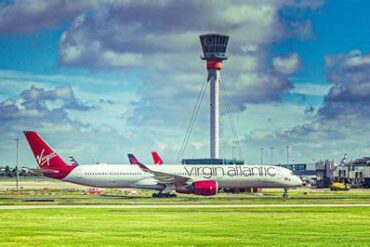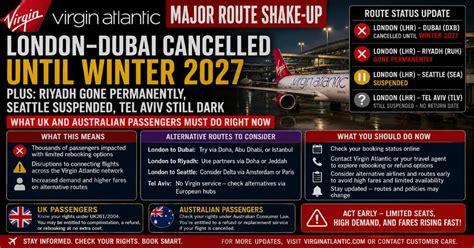
Virgin Atlantic has made a significant adjustment to its London Heathrow network, removing five major long-haul destinations since the beginning of 2025. The changes affect two very different regions, with Middle Eastern routes to Dubai and Riyadh disappearing in 2026 and three Caribbean destinations being removed during 2025. Together, the cuts highlight how quickly international airline networks can change when geopolitical conditions, seasonal demand and broader network priorities shift.
For Virgin Atlantic, the changes are particularly notable because the airline has built its identity around long-haul flying. Unlike many European competitors operating extensive short-haul networks, Virgin Atlantic has traditionally concentrated its fleet and resources on intercontinental services from Heathrow and Manchester. Every destination therefore carries strategic importance, particularly at Heathrow, where limited airport capacity makes each long-haul slot valuable.
The five Heathrow routes did not disappear for one single reason. The two Middle Eastern cuts were closely connected to the rapidly deteriorating security situation surrounding Iran in early 2026, while the Caribbean changes reflected a combination of seasonal scheduling and Virgin Atlantic’s decision to optimize its network. The result is a smaller Heathrow footprint in several markets, even as the airline continues to pursue growth elsewhere.
Virgin Atlantic Cancels Dubai and Riyadh Routes
The most significant recent changes involve Dubai International Airport (DXB) and King Khalid International Airport (RUH) in Riyadh. Virgin Atlantic announced in March 2026 that it would cut both services after the conflict involving US and Israeli attacks on Iran created a much more difficult operating environment across the Middle East.
Historical scheduling data indicates that both routes were initially paused in mid-March before being removed from the airline’s schedule. This distinction is important because the services were not simply discontinued as part of a routine network reshuffle. The geopolitical situation fundamentally changed the operating environment, forcing airlines to reassess routes across the region.
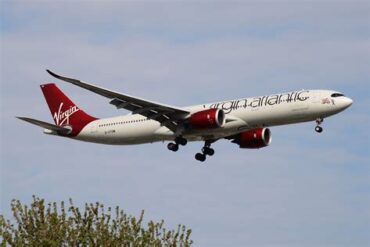
Before its suspension, the London Heathrow–Dubai route was operated daily using Virgin Atlantic’s Airbus A350-1000. Dubai had been an important destination within the airline’s Middle Eastern network, linking the UK capital with one of the world’s largest aviation hubs. The loss of the service therefore represents a substantial change for passengers who had relied on Virgin Atlantic’s nonstop operation.
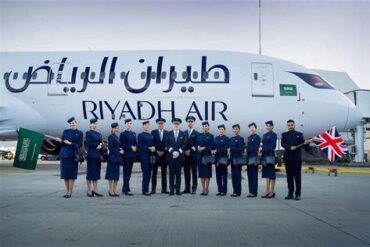
The Riyadh cancellation was even more striking because the route had only been operating for approximately one year. Virgin Atlantic used the Airbus A330-900 on the Saudi Arabian service before it was removed. The airline acknowledged that the route had been important to customers while emphasizing that connectivity to Saudi Arabia would remain available through its partnership with Saudia.
Three Caribbean Destinations Disappear From Heathrow
Virgin Atlantic’s other three Heathrow cuts occurred in the Caribbean during 2025, although their circumstances differed from the Middle Eastern cancellations.
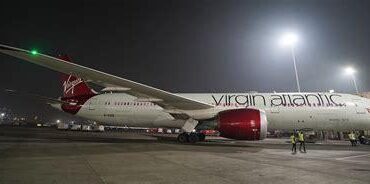
The first destination to disappear was Providenciales International Airport (PLS) in the Turks and Caicos Islands. Virgin Atlantic operated its final six rotations with the Boeing 787-9 Dreamliner in February 2025, with the final Heathrow departure taking place on February 21. The service had given London travelers direct access to one of the Caribbean’s best-known resort destinations.
Just two days later, Virgin Atlantic operated its final departure to Nassau Lynden Pindling International Airport (NAS) in the Bahamas. Nassau had been served three times weekly with the Boeing 787-9, giving the route a slightly higher frequency than Providenciales. Virgin Atlantic attributed the decision to its continued focus on optimizing its network, rather than citing a specific operational disruption.
The third Caribbean route was Hewanorra International Airport (UVF) in St Lucia. The final flight took place on March 28, 2025, following seasonal winter operations using both the Airbus A330-300 and A330-900. Unlike the Nassau and Providenciales cuts, this service was already scheduled as a seasonal operation. The critical change was that Virgin Atlantic chose not to restore it when the 2025/26 winter season began in late October.
Full List of Virgin Atlantic’s Five Heathrow Route Cuts
The complete list shows how concentrated the changes have been geographically. In February 2025, Virgin Atlantic ended Heathrow services to Nassau and Providenciales. In March 2025, St Lucia followed. One year later, in March 2026, the airline removed Dubai and Riyadh.
That means Virgin Atlantic’s Heathrow network has lost destinations across both the Caribbean and Middle East within a relatively short period. The timing also demonstrates that not every cancellation should be interpreted as evidence of the same commercial problem. Seasonal network decisions can look very different from route suspensions triggered by international conflict.
The cuts nevertheless reduce Virgin Atlantic’s direct Heathrow presence in markets that have historically been important to the airline’s long-haul identity. They also illustrate the challenge of maintaining a large intercontinental network when aircraft availability, passenger demand, geopolitical risks and airport capacity all have to be considered at the same time.
Seoul Shows Virgin Atlantic Is Still Expanding
Despite the five cancellations, Virgin Atlantic is not simply shrinking its international network. The airline has also been adding new destinations, with Seoul Incheon International Airport (ICN) becoming one of its most important recent additions.
Virgin Atlantic launched daily Heathrow–Seoul service in March 2026, using the Boeing 787-9. The route provides a major new connection between London and South Korea and demonstrates that the airline is willing to redeploy long-haul capacity toward markets it believes offer stronger long-term opportunities.
The Seoul service is also remarkable for its flight times. The outbound VS208 flight takes approximately 12 hours and 40 minutes, departing Heathrow at 1:25 PM and arriving in Seoul at 10:05 AM the following day. The return VS209 is even longer, taking more than 14 hours from Seoul to London.
One major reason for the lengthy journey is the continued inability to use Russian airspace, forcing the aircraft to follow a longer routing between Europe and East Asia. Despite the extended flying time, Seoul gives Virgin Atlantic a new presence in a major Asian market at a time when other parts of its network are being reduced.
Virgin Atlantic’s five Heathrow cancellations therefore tell only part of the story. Dubai, Riyadh, Nassau, Providenciales and St Lucia have disappeared from the network, but the airline is simultaneously directing attention toward destinations such as Seoul. Its strategy appears less about abandoning long-haul growth altogether and more about reshaping where its aircraft can generate the greatest strategic value.