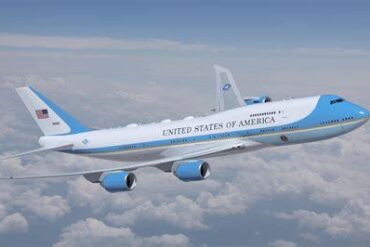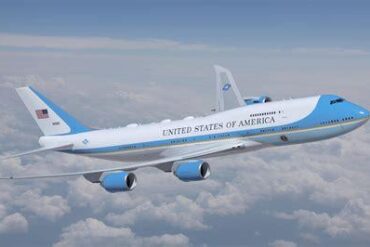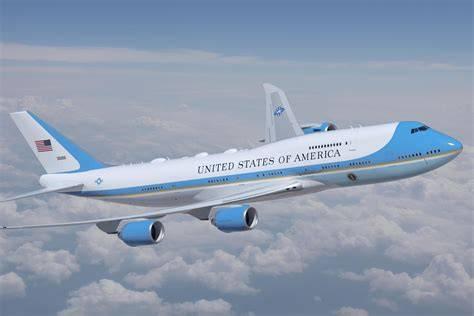
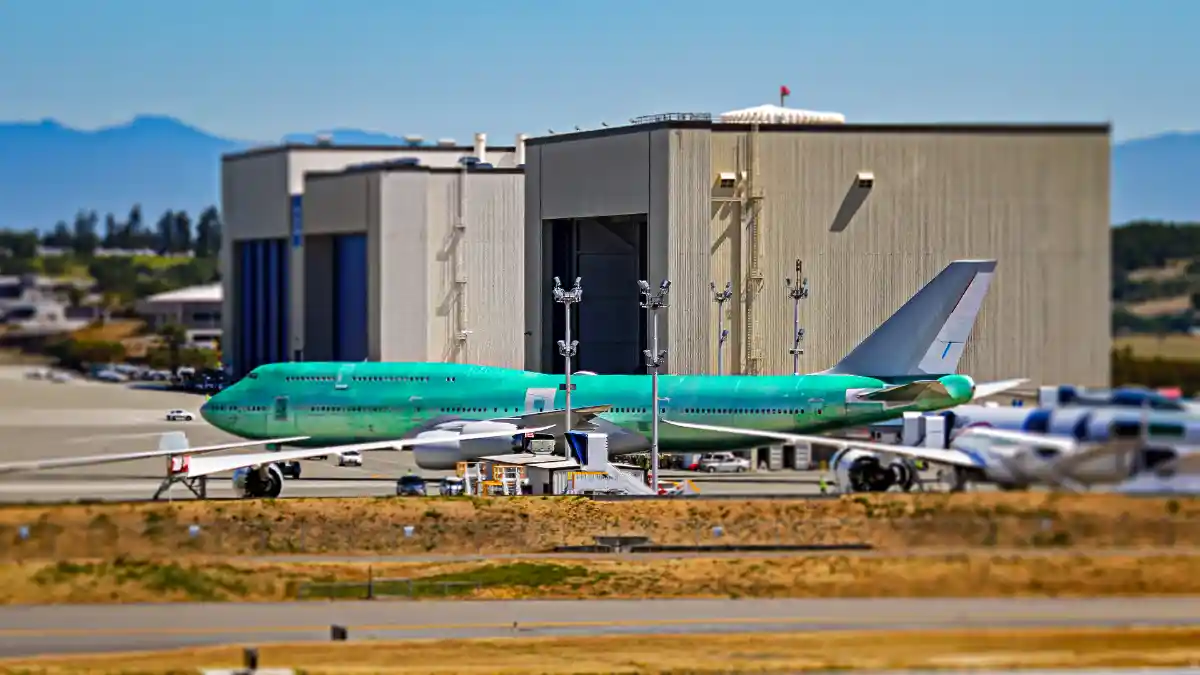
The long-delayed Air Force One replacement program has encountered another complicated engineering task, with Boeing now repairing hundreds of microscopic cracks discovered in structural components on the two aircraft being transformed into the next presidential jets. The work involves longitudinal structural members called stringers, and while the cracks do not currently threaten aircraft safety, their discovery adds another layer of technical work to an already troubled program.
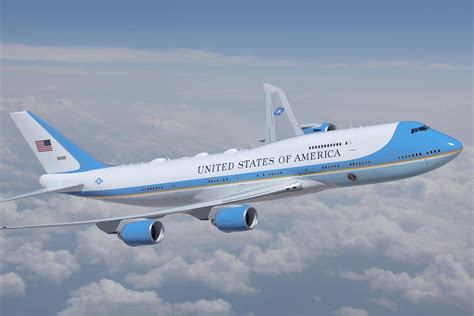
The two Boeing 747-8 aircraft are being converted into VC-25B Air Force One aircraft, a project that has become one of the most expensive and closely watched military aviation programs in the United States. Boeing has been responsible for the extensive modifications since 2020, but the program has suffered delays, engineering difficulties, supplier problems, staffing shortages, and enormous cost overruns.
The latest structural repairs are particularly notable because approximately 300 stringer cracks have been identified on each aircraft. The affected components are important parts of the 747-8’s structure, extending longitudinally from the forward fuselage toward the tail. The cracks are associated with corrosion-related stress and are not unique to the presidential aircraft, as similar issues have appeared elsewhere across the wider 747-8 fleet.
Hundreds of Stringer Cracks Found on Air Force One
According to the Air Force’s latest assessment, Boeing is making progress through the required inspections and repairs. The first aircraft had 21 stringer repairs or installations remaining, while the second had completed replacement of 104 of approximately 300 identified items. The work is being performed according to procedures mandated by the Federal Aviation Administration, ensuring that the affected structures meet the necessary certification requirements.
Stringers may not attract the same attention as engines, landing gear, or avionics, but they are fundamental to the integrity of a large aircraft. These longitudinal members help reinforce the fuselage and distribute structural loads. Consequently, even microscopic defects require careful inspection and documented corrective action when they fall within regulatory requirements.
The Air Force currently does not consider the stringer repairs a major threat to the revised delivery schedule. Boeing has also introduced several approaches intended to reduce the schedule impact while the structural work continues. That distinction is important: the cracks represent additional work, but they are not being described as an immediate safety emergency.
Air Force One Program Has Absorbed $3.13 Billion in Boeing Charges
The structural repairs become much more significant when viewed against the program’s extraordinary financial history. Boeing agreed in 2018 to convert two existing 747-8 aircraft under a fixed-price contract. Under that arrangement, the company carries much of the financial burden when costs rise beyond expectations.
Boeing’s accumulated charges on the VC-25B program have reached approximately $3.13 billion. The losses accelerated dramatically in 2022, when the company recorded a $1.4 billion charge. Additional charges followed as Boeing confronted the complexity of engineering, manufacturing, certification, and integration work required to transform commercial 747-8s into highly specialized presidential aircraft.
| Year | Boeing VC-25B Charge |
|---|---|
| 2020 | $168 million |
| 2021 | $318 million |
| 2022 | $1.4 billion |
| 2023 | $482 million |
| 2024 | $379 million |
| 2025 | $60 million |
| 2026 | $280 million |
| Total | $3.13 billion |
The latest $280 million charge in 2026 reflects additional engineering and quality personnel as well as certification-related investment. This demonstrates why the Air Force One program’s financial problems cannot be attributed to a single defective component. Every engineering change can generate additional design work, documentation, testing, inspections, and certification requirements.
Delivery Has Slipped From 2024 to Mid-2028
The original plan called for the first replacement Air Force One to be delivered in December 2024. That target has already disappeared, with the Air Force now expecting the first aircraft around mid-2028.
Boeing began modifying the first aircraft in February 2020 and started work on the second in June of that year. What initially appeared to be a substantial but manageable conversion has developed into a remarkably complicated undertaking involving communications equipment, specialized presidential systems, new interiors, extensive wiring, structural modifications, defensive capabilities, and other mission-specific equipment.
The program’s difficulties have also demonstrated how tightly interconnected aircraft production can become during the final stages of a complex conversion. Delays in one area can prevent progress elsewhere. For example, slow progress on interior design has affected wiring design and fabrication, while structural modification work has also been affected by engineering inefficiencies and rework.
Staffing shortages at Boeing have added another source of pressure. In a program requiring specialized engineering and quality expertise, losing time on personnel availability can have consequences far beyond the individual task that remains unfinished.
Windows and Windshields Add More Schedule Pressure
The stringers are not the only components creating concern. The Air Force has identified passenger windows and cockpit windshields as additional schedule risks, with suppliers struggling to deliver components that satisfy the aircraft’s demanding specifications.
The passenger-window issue could have consequences beyond simply installing replacement parts. Availability can affect pressurization testing, interior installation, and later ground and flight testing. A delay at one stage can therefore push several downstream activities.
The cockpit windshield situation presents a similar challenge. A commercial spare windshield drawing still required certification, highlighting how even seemingly familiar components can become complicated when incorporated into a highly customized aircraft.
Boeing Faces a Difficult Final Stretch
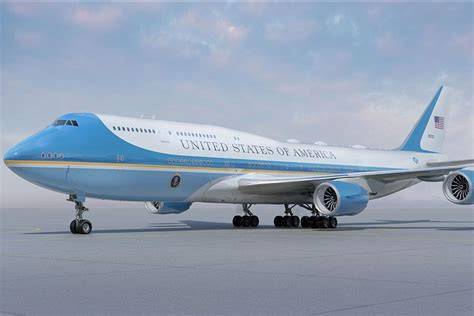
The VC-25B Air Force One program now sits at the intersection of structural repairs, certification demands, supplier performance, engineering rework, and schedule management. The stringer cracks are serious enough to require hundreds of repairs, but the Air Force currently views that work as manageable within the broader program.
The larger challenge is keeping every remaining piece of the conversion synchronized. Boeing must complete structural modifications while finalizing interiors, wiring, specialized equipment, testing, and certification. Each additional problem creates the possibility of another delay, particularly when replacement components depend on suppliers operating within strict technical requirements.
For Boeing, the program is also a powerful financial warning. The company’s $3.13 billion in accumulated charges illustrates how damaging a fixed-price contract can become when an aircraft conversion proves considerably more complicated than originally anticipated.
The replacement Air Force One aircraft were supposed to enter service years ago. Instead, Boeing is still repairing structures and resolving certification and supplier issues as it works toward a mid-2028 delivery target. The latest stringer repairs may not independently determine whether that target is achieved, but they reinforce a broader reality: completing the next generation of Air Force One will require Boeing to overcome a long chain of technical and organizational challenges without allowing one problem to trigger another.