Widespread Disruption as Severe Thunderstorms Strike Houston
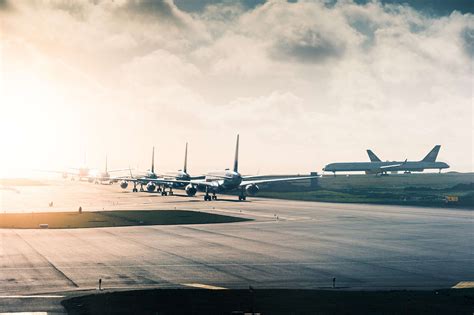
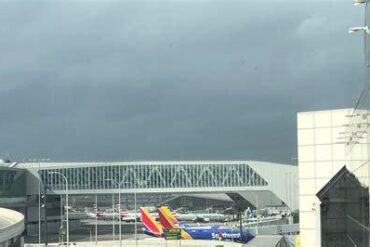
Severe thunderstorms have unleashed chaos at George Bush Intercontinental Airport (IAH) in Houston, as Air Canada, United Airlines, Delta Air Lines, Frontier Airlines, American Airlines, Alaska Airlines, JetBlue, WestJet, and other carriers battle massive operational disruptions. The storm, marked by torrential rain, powerful winds, and hazardous low visibility, has crippled air traffic, grounding flights and stranding thousands of passengers. The Federal Aviation Administration (FAA) swiftly imposed a ground stop alongside a Ground Delay Program, both aimed at preserving safety as the storm system batters one of America’s critical aviation hubs.
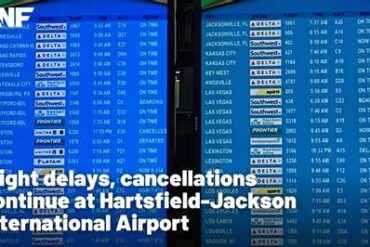
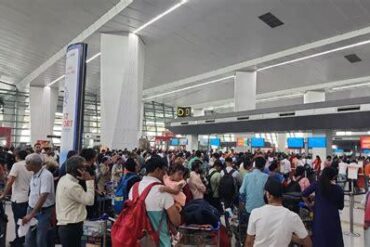
Passengers faced the stark reality of air travel’s vulnerability to weather, as over 262 flights were cancelled and 543 delayed at IAH by mid-afternoon, with the tally climbing steadily.
Ripple Effects Across Major U.S. Hubs
The storm’s fury has not been confined to Houston. The FAA’s ground stop order has sent shockwaves through the national airspace system. Flights originating from New York, Chicago, Los Angeles, Miami, Atlanta, and Dallas-Fort Worth—all key nodes in the U.S. aviation network—have been significantly affected. The cascading delays are snarling operations at airports as far afield as Memphis, Albuquerque, and Denver, underscoring the interconnected nature of modern air travel.
International connections are equally compromised, with flights from Canada, Europe, the Caribbean, and Mexico encountering delays as they navigate congested air corridors and adjusted routes. Airlines are reassigning slots, holding departing aircraft at origin airports, and rerouting in-transit flights to avoid the most dangerous cells of the storm.
The FAA’s Traffic Management Measures: Ground Stop and Ground Delay Program
The FAA’s ground stop—halting inbound flights destined for Houston—is a rare but vital safety measure. This action prevents airborne congestion over a storm-impacted region where landing safely would be difficult, if not impossible. Coupled with the Ground Delay Program, which meters the flow of traffic into the affected area by assigning delayed departure times at origin airports, these controls seek to balance safety with operational continuity.
The Ground Delay Program at IAH is set to remain in force through 10:59 p.m., with average delays hovering around three hours. The FAA has warned of a 30% to 60% chance that these measures could extend beyond 7 p.m., depending on how the storm evolves. Passengers should brace for possible overnight disruptions if conditions do not improve.
Airlines Struggle to Manage the Fallout
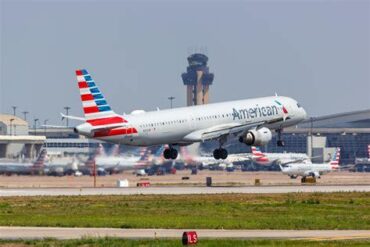
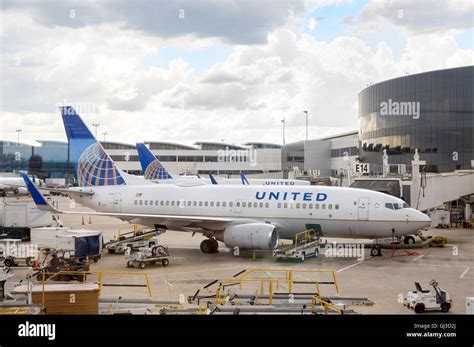
United Airlines, as IAH’s dominant carrier, faces the lion’s share of the disruption, with a significant proportion of its hub operations crippled. American Airlines, Delta, Alaska Airlines, JetBlue, Frontier, Air Canada, and WestJet are similarly ensnared in the chaos, struggling to accommodate displaced passengers and rework schedules in real time.
Regional operators such as Mesa Air, SkyWest, and CommuteAir are equally affected, highlighting how storm-induced ground stops hit every tier of the air transport ecosystem. International partners—including VivaAerobus and Volaris—report schedule upheavals, further complicating rebooking efforts and stranding travelers in transit.
Broader Implications for U.S. Air Travel
The operational freeze at Houston has induced a domino effect across the U.S. air network. At Dallas-Fort Worth, Atlanta Hartsfield-Jackson, Miami International, and Los Angeles International, ripple delays are mounting as aircraft and crews miss scheduled rotations. Connection windows shrink or vanish entirely, forcing passengers to scramble for alternatives or face extended layovers.
International services into Houston are among the hardest hit. Flights inbound from Toronto, Vancouver, London, Paris, and Cancun have been held or rerouted, creating downstream impacts on outbound itineraries and onward connections.
Staying Informed and Managing the Chaos
Passengers caught in this disruption are urged to monitor their airline’s app or website for up-to-the-minute flight status information. Many carriers are pushing SMS and email alerts to affected customers. Third-party flight tracking platforms like FlightAware and FlightRadar24 offer real-time situational awareness, showing live delay data and rerouted flight paths.
Travelers should prepare for prolonged waits. This means securing essential items—water, snacks, power banks, medication, and entertainment—particularly given the likelihood of crowded terminals and overwhelmed customer service desks. Passengers with connecting flights or international onward travel must contact their airline proactively to explore rebooking options or request accommodation if eligible.
Airlines’ Response and Passenger Options
Carriers are deploying all available resources to reaccommodate stranded passengers. This includes rebooking on later flights, rerouting via alternate hubs, and in some cases, issuing travel waivers to facilitate itinerary changes without penalty. However, the sheer scale of the disruption means passengers may face limited rebooking availability, especially on high-demand routes.
International travelers should also liaise with airlines about visas, customs, and immigration implications of altered itineraries. In select cases, airlines may offer overnight hotel stays, but this remains subject to carrier policy and local availability.
Looking Ahead: What Travelers Can Expect
The storm system continues its slow advance across the region, and while forecasts suggest some weakening overnight, thunderstorms may persist into the early hours, prolonging travel disruptions into tomorrow. The FAA and airlines are coordinating closely to manage recovery operations, but the knock-on effects could linger for several days as carriers reposition aircraft and crews.
Passengers should maintain flexibility, patience, and vigilance, as conditions could shift rapidly. By staying connected to official channels and preparing for delays, travelers can better navigate this challenging situation while airlines and authorities work to restore normalcy.