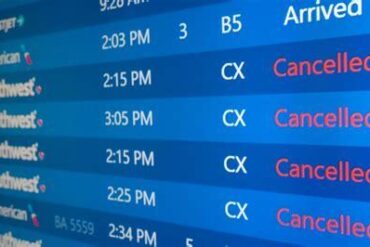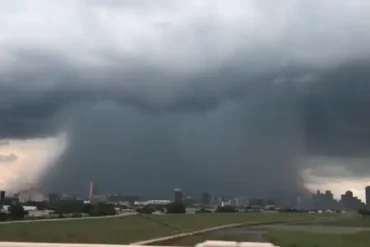
Over 100 flights have been canceled across Europe in the wake of relentless storms, poor visibility, and heavy rains, paralyzing major European air routes and stranding thousands of passengers. The severe weather has disrupted operations at key international airports including Frankfurt, Munich, Malpensa, Amsterdam, and London, with leading carriers—Lufthansa, Air France, EasyJet, and KLM—forced to ground flights and delay hundreds more.
Lufthansa Bears the Brunt of Europe’s Travel Meltdown
Lufthansa, Germany’s flagship airline, has suffered the largest number of cancellations, grounding 63 flights each on its crucial routes connecting Frankfurt to Munich, Frankfurt to Amsterdam, and Munich to Frankfurt. These cancellations stemmed from powerful thunderstorms and near-zero visibility that made flying conditions unsafe. The disruptions to Lufthansa’s operations have severely impacted one of Europe’s most trafficked domestic and international flight corridors. The Frankfurt-Munich connection is not only vital for business travel but also functions as a major link for long-haul international transfers, causing a ripple effect beyond Europe.
Adding to the chaos, 329 additional Lufthansa flights faced delays across its network. Passengers found themselves stuck in crowded terminals with minimal updates, many resorting to overnight stays at airports or scrambling to find available hotel rooms in nearby cities.
EasyJet’s London Links Severed by Storms
Low-cost carrier EasyJet was not spared. The airline canceled 24 flights on both its London to Paris and London to Zurich routes. These routes are integral to European leisure and business travel, and their disruption brought cascading delays to EasyJet’s broader network. Over 862 EasyJet flights encountered delays, making the situation even more dire for travelers.
Passengers on EasyJet flights cited long queues at service desks, poor communication, and limited rebooking options. The overwhelming demand for alternate arrangements left many with little choice but to wait or book alternative—and expensive—routes through other carriers.
KLM Grounds Amsterdam Departures as Weather Batters the Continent
Dutch carrier KLM was also deeply affected, grounding 12 flights on both the Amsterdam to Vienna and Amsterdam to Berlin routes. Amsterdam’s Schiphol Airport, already notorious for congestion during peak travel seasons, witnessed significant passenger pile-ups as multiple services were abruptly canceled.
The airline reported 273 delayed flights, with disruptions stemming from intense rainfall and storms sweeping across northern and central Europe. Travelers to Eastern and Central European cities found themselves stranded with minimal ground transportation alternatives, compounding the travel nightmare.
Air France Struggles to Keep Paris Connected
France’s flag carrier, Air France, reported 6 canceled flights from Paris to various European cities, with another 211 flights delayed. These disruptions, though smaller in volume compared to its counterparts, still impacted hundreds of travelers during the high tourist season. Paris Charles de Gaulle Airport saw increased congestion, longer check-in and security lines, and rescheduled flights that stretched into the following day.
Weather-Driven Chaos Cripples European Routes
The cause behind the widespread disruption is the extreme weather that has swept across the continent. Thunderstorms, torrential rain, and dense fog have created unsafe flying conditions, forcing airlines to ground aircraft and delay operations. The weather has been particularly disruptive at peak times, when airports already operate near full capacity.
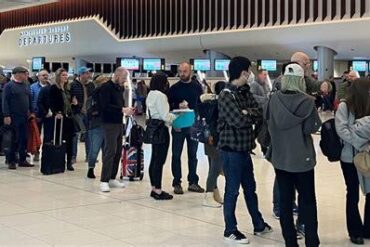
Airports in Frankfurt, Munich, London Heathrow, Malpensa, and Amsterdam Schiphol experienced the worst delays, becoming epicenters of frustration as thousands of passengers sought explanations, rebooking options, or even basic shelter. Travelers described scenes of chaos, with exhausted families sprawled across terminal floors, overwhelmed staff, and digital boards flashing a sea of red cancellations.
Stranded Tourists Face Financial and Logistical Nightmares
The impact on travelers has been devastating. With flights canceled en masse, many found their vacation or business plans abruptly halted. Hotel bookings, guided tours, car rentals, and even event tickets were lost as tourists were stranded at departure points or unable to reach destinations.
Those who tried to reroute faced limited seat availability, surge pricing, and overbooked alternative flights. Others opted to travel by train or bus, but those systems too became overwhelmed as the air travel bottleneck spilled into ground transportation networks.
For families on tight itineraries and business travelers with important engagements, the consequences extended beyond financial loss into missed experiences and professional setbacks.
Breakdown of Cancelled Flights by Route and Carrier
The following is a comprehensive look at the most affected airline routes:
- Lufthansa
- Frankfurt to Munich: 63 flights canceled
- Frankfurt to Amsterdam: 63 flights canceled
- Munich to Frankfurt: 63 flights canceled
- EasyJet
- London to Paris: 24 flights canceled
- London to Zurich: 24 flights canceled
- KLM
- Amsterdam to Vienna: 12 flights canceled
- Amsterdam to Berlin: 12 flights canceled
- Air France
- Paris to various cities: 6 flights canceled
These totals account for over 100 flight cancellations across the continent, a figure that does not even include the hundreds of additional delayed departures.
Passenger Response and Airline Preparedness Under Scrutiny
With the European summer travel season in full swing, the timing of the disruptions could not have been worse. Many travelers voiced frustration at the airlines’ lack of timely communication, slow response times, and limited customer service resources. Social media was flooded with complaints about unresponsive hotlines, long queues at information counters, and confusing rescheduling procedures.
Analysts point out that while weather is an uncontrollable variable, the response systems of major airlines need urgent improvement. Real-time updates, flexible rebooking policies, and better coordination with ground transport providers are critical to managing large-scale disruptions. Passengers have been demanding compensation under EU Regulation 261/2004, which mandates that airlines compensate for cancellations unless caused by extraordinary circumstances such as extreme weather—though debates around what qualifies are ongoing.
What Travelers Should Do Now
Travel experts urge affected passengers to take the following actions immediately:
- Contact airlines directly via mobile apps, websites, or airport service counters to check for rebooking options.
- Monitor flight statuses regularly to stay informed of any further delays or cancellations.
- Retain receipts for any additional expenses, including meals, accommodations, or alternative transport, which may be reimbursable.
- Understand passenger rights, particularly EU regulations, which may entitle them to compensation or assistance.
Uncertain Outlook as More Disruptions Loom
While the worst of the storm systems may pass within days, residual delays and a backlog of rebookings mean that travel disruptions could continue well into the coming week. Airlines are racing to restore regular schedules, but the sheer volume of grounded flights has left them with limited aircraft and crew availability.
As the climate crisis intensifies, meteorologists warn that extreme weather events may become more frequent, further stressing Europe’s aviation infrastructure. The current wave of disruptions offers a stark warning to carriers and regulators alike: investment in resilience, digital response systems, and passenger support is no longer optional.
Europe’s skies may eventually clear, but for now, travelers remain grounded—victims of a storm that brought more than just rain, but widespread disarray to a continent on the move.