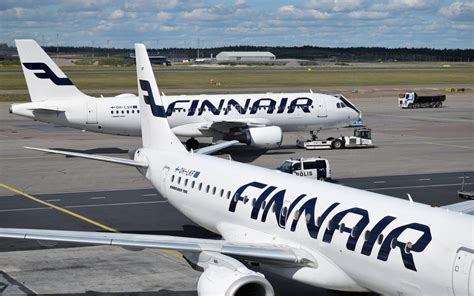
On June 17, 2025, Helsinki Airport plunged into disarray as a massive strike led by the Finnish Aviation Union (IAU) brought air travel to a grinding halt. The industrial action, which specifically targeted ground handling and catering services, resulted in more than 100 flight cancellations and 94 significant delays, paralyzing the operations of seven major airlines. These included Finnair, Norwegian Air, Air France, Lufthansa, Iberia, KLM, and Scandinavian Airlines, collectively affecting over 6,500 passengers.
The scale and speed of disruption were unlike anything the Finnish capital’s airport had seen in recent years, revealing both the vulnerability of aviation logistics and the growing unrest within the industry’s labor sectors.
Finnair Bears the Brunt as Primary Carrier
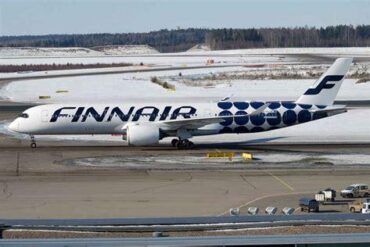
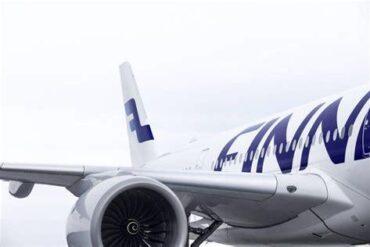
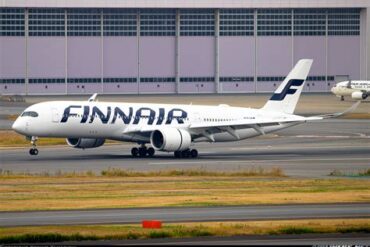
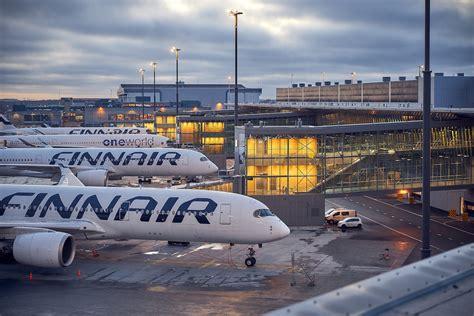
Finnair, being the flagship airline of Finland and the largest operator at Helsinki Airport, faced the most devastating blow. Of the estimated cancellations, 143 Finnair flights were grounded, severely disrupting both domestic and international schedules. Destinations across Europe, North America, and Asia were affected, with ripple effects felt in hubs like Paris, Amsterdam, Frankfurt, and New York.
Finnair rapidly deployed its “Manage Booking” digital tool and mobile application, offering real-time updates and rerouting options. However, thousands of travelers faced overwhelmed customer service centers, as airline staff struggled to rebook flights amidst heavy system traffic.
Multinational Impact Across Seven Airlines
Though Finnair endured the highest number of cancellations, the crisis extended far beyond one airline. Flights operated by Norwegian Air, Air France, Lufthansa, Iberia, KLM, and Scandinavian Airlines (SAS) experienced widespread disruption.
The delays did not discriminate by distance or direction. Short-haul flights within Europe were held up, while long-haul routes bound for destinations in Asia and North America were either severely delayed or canceled altogether. Aircraft queued at gates, some with fully boarded passengers, as crews waited for critical services like baggage loading and in-flight catering to resume.
Ground Handling and Catering Services at the Center
The IAU strike was meticulously targeted, focusing on the essential but often overlooked segments of air travel: ground handling and catering. These services are the backbone of turnaround efficiency. Without ground crews to refuel planes, handle baggage, guide aircraft, and clean cabins, flight schedules quickly unraveled.
The industrial action affected multiple shift blocks throughout the day, causing a cascading series of delays and bottlenecks. In-flight meals were either limited or unavailable, and in some cases, aircraft were grounded simply because catering trolleys could not be loaded.
Travelers Stranded, Long Waits, and Little Relief
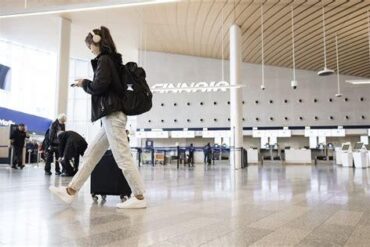
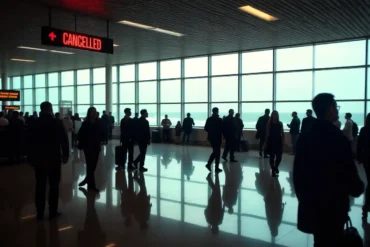
Inside the terminals, the human toll of the disruption was immediately visible. Check-in counters were packed, security lines stretched for hours, and boarding gates became holding areas for exhausted travelers. Helsinki Airport’s announcement boards quickly filled with red notifications of delays and cancellations, and passenger assistance desks buckled under demand.
Many travelers reported spending upwards of 5–7 hours waiting for assistance. Elderly passengers, families with children, and travelers with connecting flights were particularly hard-hit. For many, it wasn’t just an inconvenience—it was a logistical crisis.
Airlines issued advisories recommending passengers arrive at the airport earlier, check flight status constantly, and travel with essential items in hand luggage, particularly medication and critical documentation. These messages, however, did little to ease the growing frustration.
Helsinki Airport: An Operational Gridlock
The normally efficient and well-reviewed Helsinki-Vantaa Airport turned into a case study in vulnerability. The strike laid bare how highly interdependent modern airport operations are, and how even one service disruption can trigger a chain reaction.
Departures were held back due to the unavailability of baggage handlers. Arrivals waited idly as gate personnel and refueling teams remained absent. Arriving passengers faced long waits for luggage, with some bags not arriving at all. The cumulative effect was that nearly every airline operating through Helsinki faced consequences, even those not directly targeted by the strike.
Air France, KLM, Lufthansa: Connecting Hubs in Chaos
Airlines such as Air France, KLM, and Lufthansa, which operate extensive European networks and serve as connectors to long-haul destinations, were among the hardest hit. Passengers who booked connecting flights via Paris Charles de Gaulle, Amsterdam Schiphol, or Frankfurt Airport found their carefully timed itineraries disintegrating as initial legs were delayed beyond operational thresholds.
Moreover, these airlines struggled with crew scheduling limits, as regulations restricted flight crews from working beyond allotted hours—leading to more last-minute cancellations even after passengers were already rebooked.
Scandinavian Airlines and Norwegian: Nordic Travelers Delayed
Scandinavian Airlines (SAS) and Norwegian Air, with dense route maps connecting the Nordic capitals, also experienced cascading delays. Business travelers, particularly on morning and evening shuttles between Oslo, Stockholm, and Copenhagen, faced massive hold-ups. Norwegian, a carrier known for lean staffing models, faced difficulty in mobilizing substitute crews and rebooking options.

Looking Ahead: June 19 Strike Looms
Just as Helsinki Airport attempts to recover, another blow is expected: a second strike scheduled for June 19. The IAU has confirmed this next round of industrial action will again target critical support services. Based on June 17’s chaos, industry analysts predict a similar if not greater impact, especially if airlines fail to proactively cancel or consolidate services ahead of time.
Finnair has promised advance updates, and other carriers are expected to follow suit by issuing travel waivers, alternate routing, and rebooking incentives.
Traveler Guidance and Airline Contingency Plans
Passengers with tickets for June 17 through June 20 are advised to take precautionary measures. These include:
- Checking flight status frequently via airline apps or websites
- Utilizing self-service tools like Finnair’s “Manage Booking”
- Preparing for potential overnight stays, with carry-ons containing essentials
- Arriving well in advance of scheduled departure times
Several airlines have started issuing flexible travel policies, allowing passengers to rebook without fees. However, seat availability on alternate flights remains tight.
Political Pressure and Labor Negotiations Intensify
This latest strike has drawn attention from Finnish government officials, who face mounting pressure to broker a solution. At stake is not just summer travel but Finland’s global connectivity. The IAU, representing thousands of ground service workers, is demanding better wages, more predictable hours, and guarantees on future job security as automation looms large.
Negotiations between the IAU and Finavia, the operator of Helsinki Airport, have stalled repeatedly. A resolution appears unlikely before the June 19 strike. This has escalated calls for legislative intervention or at least temporary mediation.
Conclusion: Finland’s Aviation Crossroads
The June 17 strike at Helsinki Airport marks one of the most disruptive days in recent Nordic aviation history. With over 100 flight cancellations, 94 delays, and 6,500 stranded passengers, the event has underscored how indispensable ground services are to smooth airport operations.
Major carriers like Finnair, KLM, Lufthansa, and Air France are reeling from the operational and reputational damage. For travelers, the experience has been a stark reminder of how swiftly plans can unravel in the face of labor unrest. With another strike imminent on June 19, Finland’s aviation sector stands at a crossroads, facing mounting uncertainty unless labor negotiations yield swift resolution.