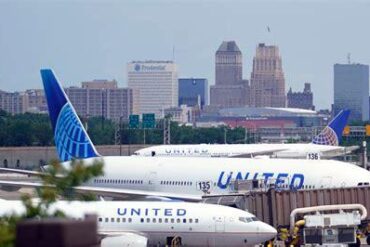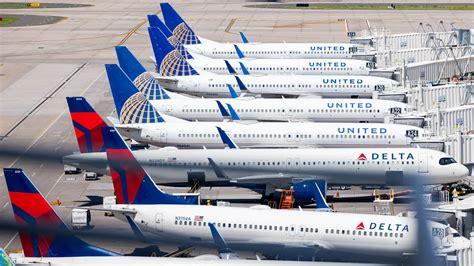
More than 100 flights were abruptly cancelled across the United States on Thursday, July 25, 2025, as major carriers Southwest Airlines, Delta Air Lines, and United Airlines triggered widespread disruption at critical aviation hubs. Chicago O’Hare, San Francisco International, Seattle-Tacoma, and Houston Bush Intercontinental bore the brunt of operational turbulence, with thousands of travelers facing delays, cancellations, and logistical confusion.
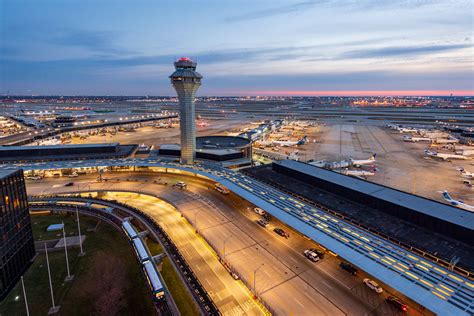
Chicago O’Hare: The Eye of the Delay Storm
Chicago O’Hare International Airport (ORD) emerged as the most severely impacted hub, logging 34 cancellations and a staggering 733 delays in just one day — the highest across the entire U.S. airspace. The cascading issues at O’Hare illustrated how fragile even the most robust airports can become under operational strain.
Though United Airlines recorded only a single cancellation from O’Hare, it experienced widespread delays affecting both arrivals and departures. Regional affiliates absorbed the heaviest blow:
- Envoy Air: 19 cancelled, 81 delayed
- SkyWest: 7 cancelled, 152 delayed
- Republic Airways: 5 cancelled, 44 delayed
The majority of these delays were attributed not to severe weather, but to internal operational issues — a cocktail of crew availability constraints, runway congestion, and tight turnaround times typical of the peak summer season.
San Francisco International: United Takes the Hit
Out west at San Francisco International Airport (SFO), the situation grew critical as United Airlines cancelled 16 flights, far outpacing any other carrier. In total, 19 flights were cancelled, and over 200 delays were reported. This included routes connecting San Francisco with key domestic cities such as Austin, Phoenix, Seattle, and San Diego, as well as long-haul international flights to Frankfurt, Honolulu, and Newark.
United’s heavy footprint at SFO amplified the chaos. Delta also contributed to the turbulence with three cancellations, including flights on the Detroit and Minneapolis routes. Other airlines, such as Alaska and SkyWest, avoided large-scale cancellations but still logged a significant number of delays, compounding passenger frustration.
Interestingly, major international carriers like China Eastern, Air India, and Singapore Airlines did not report any cancellations, though some long-haul flights saw extensive delays exceeding three hours, leading to missed connections and rescheduling chaos.
Seattle-Tacoma: Minor Cancellations, Major Delays
At Seattle-Tacoma International Airport (SEA), the disruption leaned more heavily toward delays than outright cancellations. A total of 7 flights were cancelled, while nearly 293 flights faced delays throughout the day. Horizon Air, a regional operator under the Alaska Airlines umbrella, led the cancellations with four scrapped flights, while Southwest and United each cancelled two.
Alaska Airlines, despite avoiding mass cancellations, experienced a noteworthy 130 delays, underlining a troubling trend of deteriorating schedule reliability. Factors contributing to this included gate unavailability, ground crew constraints, and knock-on effects from aircraft rotations delayed earlier in the day.

Houston Bush Intercontinental: United’s Troubles Multiply
Houston’s George Bush Intercontinental Airport (IAH) also became a pressure point in the network collapse, logging 5 flight cancellations and 179 delays. Once again, United Airlines was responsible for the lion’s share — cancelling four flights and contributing to more than 100 delays.
Affected routes included connections between Houston and major cities such as Amsterdam, as well as vital domestic flights. JetBlue added to the disruption with one cancellation, while carriers like Spirit, Alaska, and American Airlines were hit with minor delays.
United Airlines: Disruption Across the Network
Among the three major airlines, United Airlines emerged as the most heavily affected. The airline not only cancelled flights at each of the four major hubs but also halted international and transcontinental operations:
- Houston to Amsterdam
- Frankfurt to San Francisco
- Paris Charles de Gaulle to Newark
Domestically, United halted operations on critical corridors including:
- San Francisco to Austin, Phoenix, Seattle, San Diego, and Detroit
- Return flights from Honolulu, Chicago, and Newark
These cancellations triggered a ripple effect throughout United’s expansive network, leaving thousands of passengers stranded, redirected, or rebooked on delayed departures.
Delta Air Lines: Disruption Without Density
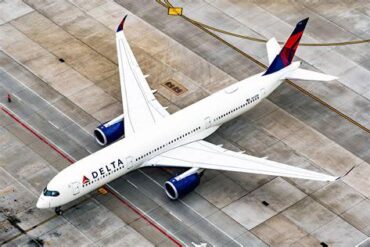
Though not as severely hit as United, Delta Air Lines still experienced notable turbulence. The airline cancelled key flights between San Francisco and Detroit, Minneapolis and Pittsburgh, and Washington Reagan and Minneapolis. Delta’s primary problem wasn’t cancellation volume, but rather the network-wide delay pattern it exhibited across Minneapolis, Detroit, and its coastal connections.
Increased gate turnarounds and crew misalignment led to rolling delays that compounded hourly. Even a modest disruption from Delta proved significant given its volume of daily departures from these hubs.
Southwest Airlines: Western Routes Disrupted
Southwest Airlines, known for its high-frequency short-haul service, experienced fewer cancellations but encountered disruption in crucial parts of its western route structure. Cancellations impacted operations between:
- Phoenix and Denver
- Dallas Love Field and Las Vegas
While only a handful of Southwest’s flights were scrapped, the strategic importance of those hubs during summer travel season made the impact outsized. Passengers dependent on these routes for cross-country transfers faced cascading rebooking challenges.
No Single Cause, Just Accumulated Strain
What makes this latest disruption notable is that no singular cause — like extreme weather or cyber outages — can be blamed. Instead, it reveals the underlying fragility of the U.S. air travel system during peak season. Air traffic congestion, crew availability issues, and tight hub scheduling combined to create the perfect storm.
The FAA did not issue any notable ground stops or weather advisories tied to these cancellations, which suggests the real pressure points lie in internal airline logistics. Airlines continue to struggle with scheduling elasticity, and even minor variances in punctuality lead to domino effects at tightly coordinated hubs.
Passengers Left in Limbo
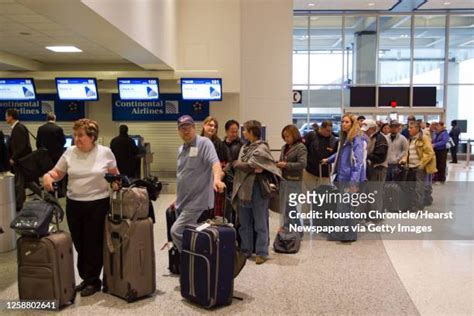
Thursday’s events left thousands of passengers stranded, facing long lines at rebooking counters, and scrambling to rearrange their vacation or business travel plans. With limited seat availability during summer peaks, some were pushed to flights 24 to 48 hours later — particularly those with complex international itineraries.
The FAA and DOT have urged airlines to improve resilience planning, but passengers continue to bear the brunt of system vulnerabilities. Airline social media channels were flooded with complaints, ranging from a lack of real-time communication to unstaffed counters and conflicting gate change announcements.
The Broader Implication: Systemic Weakness During Peak Season
This mass disruption, though not labeled a nationwide meltdown, signals the ongoing fragility of U.S. aviation infrastructure. With operations stretched thin and travel demand surging, even modest breakdowns lead to outsized consequences. The events of July 25 once again highlight that America’s major airlines remain vulnerable to cascading failures during peak travel windows.
Until structural changes in scheduling buffers, staffing, and real-time contingency planning are implemented, travelers should brace for more of the same throughout the summer season. Close monitoring of flight status and flexible travel arrangements are no longer optional — they’re essential.