Europe’s aviation sector is once again reeling under the weight of massive weather-related disruptions, as more than 3,100 flights have been either canceled or delayed across the continent. The chaos, which unfolded over the first week of July 2025, has hit some of the busiest European airports—including Amsterdam Schiphol, Athens International, Geneva Cointrin, and Barcelona El Prat—causing a chain reaction of travel snarls stretching across transatlantic and intercontinental routes. Airlines such as Air France, Air Canada, American Airlines, Delta, Swiss, United, LATAM Brasil, and numerous regional carriers are grappling with the overwhelming operational fallout.
Severe Storms Unleash Havoc Across the European Skies
Heavy thunderstorms, gale-force winds, and unpredictable air patterns have battered several key regions in Europe, grounding aircraft and delaying thousands of flights. The impact has not been limited to one country or route—instead, it has radiated across multiple airports and air corridors, effectively crippling the backbone of European air travel.
The disruptions began in earnest on Sunday evening and extended through Monday, July 7, 2025. Meteorological data pointed to a fast-moving storm front sweeping from northern France across the Low Countries, the Alps, and down into the Mediterranean basin, bringing with it torrential rain, electrical storms, and low visibility conditions.
Airlines struggled to maintain operational schedules as aircraft were either unable to land or take off, air traffic controllers restricted flight paths, and ground crews suspended ramp operations due to safety risks.
Amsterdam Schiphol (AMS): Epicenter of Delays
At the heart of the disruption was Amsterdam Schiphol, one of Europe’s premier international gateways. The airport alone saw 372 flight delays and 7 cancellations, many of which involved long-haul routes to North America.
KLM Royal Dutch Airlines, the dominant carrier at Schiphol, bore the brunt of the disturbance, reporting 171 delays and 3 cancellations. Other affected airlines included German Airways, Cathay Pacific, Delta Air Lines, and easyJet, with Transavia Airlines also struggling to manage its short-haul European network.
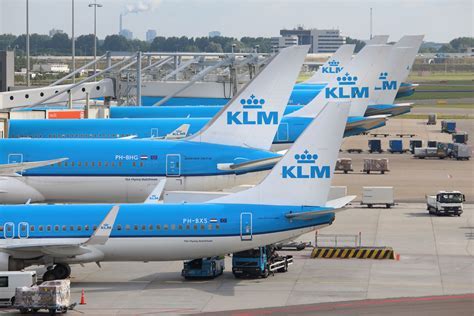
While only one U.S.-bound flight was formally canceled, at least 25 transatlantic services experienced significant delays, affecting thousands of passengers heading to destinations such as New York, Toronto, and Atlanta.
Athens International (ATH): Mediterranean Turbulence and Systemic Strain
In Greece, the usually sun-soaked capital’s airport experienced an unusual meteorological phenomenon: a sudden, intense low-pressure system brought heavy rainfall and strong crosswinds to Athens International Airport, causing 389 delays and 5 cancellations. EasyJet and Aegean Airlines, both major players in the Eastern Mediterranean market, faced widespread schedule collapses.
Delta Air Lines was forced to cancel three transatlantic flights, while Air Canada, Lufthansa, and Air France reported delays stretching beyond three hours. Olympic Air and Sky Express, both focused on regional and island-hopping services, recorded over 130 delays, paralyzing connectivity between the Greek mainland and its islands.
Barcelona El Prat (BCN): Iberian Hub Faces High Impact
Spain’s Barcelona International Airport reported 340 delays and 7 cancellations, with easyJet and Ryanair emerging as the most impacted carriers. EasyJet alone saw 13 delays and 5 outright cancellations, while Air France canceled four services due to inbound routing issues from weather-stricken Paris and Amsterdam.
The Catalan hub’s runways, normally optimized for quick turnarounds and high-frequency departures, became jammed with aircraft waiting out ground halts and airspace holding patterns. The domino effect created a backlog that extended well into the evening hours, delaying both short-haul European and long-haul transatlantic flights.
Frankfurt International (FRA): Lufthansa Takes a Blow
Germany’s Frankfurt International Airport, a major global aviation node, faced 439 delays and 8 cancellations. Lufthansa, headquartered in Frankfurt, was the hardest hit, suffering over 200 delays as bad weather disrupted turnaround times and aircraft rotations.
Even with advanced infrastructure and storm resilience measures, the airport struggled to absorb the ripple effects from neighboring hubs. Delays in aircraft repositioning from Schiphol and Charles de Gaulle forced Lufthansa and other Star Alliance carriers to reshuffle departure schedules across the board.
Geneva Cointrin International (GVA): Alpine Weather Challenges
Switzerland’s Geneva Airport—tucked at the foot of the Alps—reported 127 delays and 8 cancellations. EasyJet accounted for 71 of those delays, while Swiss International Air Lines reported moderate but impactful schedule interruptions. Though relatively smaller in scale, the disruptions here significantly affected business travel to and from Geneva, a major diplomatic and financial hub.
Geneva’s unique geographic location makes it especially vulnerable to wind shear and rapid weather shifts, often necessitating last-minute flight diversions to Zurich or Lyon.
Lisbon and Copenhagen: TAP, SAS, and Ryanair Suffer Setbacks
At Lisbon’s Humberto Delgado Airport, 370 delays and 2 cancellations were logged, with TAP Air Portugal bearing the worst of it—157 delays paralyzed the national carrier’s European network. EasyJet also saw 33 delays, with ripple effects extending into holiday hotspots such as the Algarve and the Azores.
Meanwhile, Copenhagen Airport (CPH) experienced 168 delays and 11 cancellations, with SAS Link canceling 7 services outright. These disruptions curtailed Scandinavian travelers’ access to both European cities and North American destinations, while Norwegian Air Shuttle and Ryanair also reported high delay figures.
Charles de Gaulle (CDG): Air France Disrupted at Home Base
Paris Charles de Gaulle Airport, another transatlantic giant, saw 456 delays and 11 cancellations. Air France, headquartered here, experienced 224 delays and 6 cancellations, sending shockwaves through its global network. Delta Air Lines, a close SkyTeam partner, also recorded 8 major delays, affecting crucial U.S.–Europe connections.
As storms pushed across northern France and Belgium, flight stacking over Paris grew severe, forcing air traffic control to impose slowdowns and alternate routings. The storm congestion over Western Europe became a no-fly zone bottleneck.

Dublin and Bergen: Localized Storm Fronts Extend the Gridlock
Though not among the highest-traffic hubs, Dublin International and Bergen Flesland Airport still felt the weather pinch. Dublin faced 228 delays, largely tied to Aer Lingus and Ryanair, both of which had trouble repositioning aircraft from other disrupted airports.
In Bergen, 76 delays and 2 cancellations were logged, with Norwegian Air Shuttle and SAS both citing low cloud cover and wind shear as primary causes.
Passenger Impact: Stranded, Delayed, and Rerouted
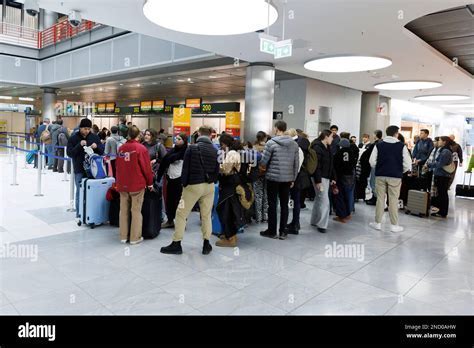
With aircraft grounded and schedules in tatters, thousands of passengers found themselves stuck in terminals or redirected through convoluted itineraries. The most severe effects were felt by transatlantic travelers, whose tight connection windows and complex routings made rerouting a logistical nightmare.
Passenger service desks were overwhelmed, and in many cases, airlines resorted to automatic rebooking systems, often assigning travelers to next-day flights or alternate European gateways. Several airports opened temporary shelters and distributed refreshment vouchers, but the scale of the disruption overwhelmed standard contingency plans.
Operational Consequences and Aviation Network Ripple Effects
The severe weather event has illustrated just how interconnected and fragile Europe’s aviation infrastructure can be when facing systemic stress. A delay at one airport often has cascading effects across multiple airlines and partner networks, disrupting not just the affected cities but global timetables.
Moreover, many carriers had aircraft and crew out of position for scheduled rotations, which compounded the problem on the second day of disruptions. Aircraft that were meant to depart early Monday morning were instead grounded at remote airports or returning empty from diverted flights.
What’s Next: Weather Forecasts and Travel Advisory
Meteorologists forecast that unstable weather conditions may persist over parts of Central and Western Europe through mid-week. Travelers with upcoming flights are urged to check flight status regularly, use airline mobile apps for live updates, and allow for extra layover time if connections are involved.
Experts warn that even after the skies clear, airline networks may need several days to stabilize, especially for wide-body long-haul services. Maintenance checks, crew legal limits, and aircraft rotation schedules all need recalibration, meaning punctuality could remain elusive for the near term.
Conclusion: A Continent-Wide Wake-Up Call
The storm-induced paralysis of over 3,100 flights across Europe is not just a blip on the radar—it’s a stark reminder of the need for greater resilience in aviation logistics. With climate-driven weather volatility on the rise, airlines and airports must reexamine emergency protocols, rerouting capacities, and real-time communication infrastructure. For passengers, flexibility, preparedness, and up-to-date travel apps are no longer optional—they’re essential for navigating the unpredictable skies of modern air travel.