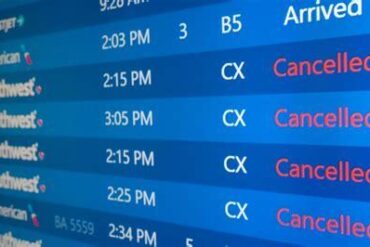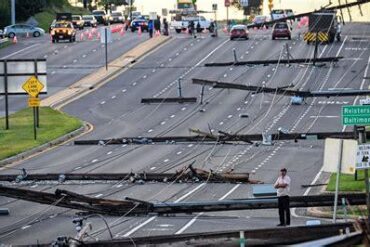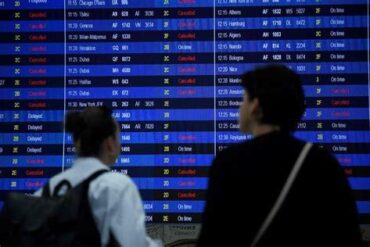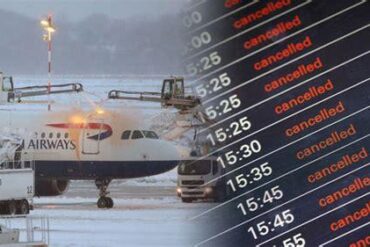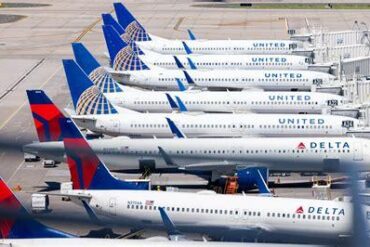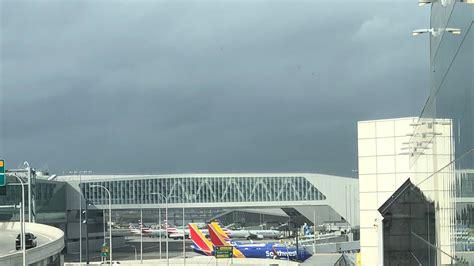
The United States aviation network was thrown into disarray as over 1,600 flights were delayed or canceled on Monday, June 16, 2025. Severe thunderstorms wreaked havoc at two of the nation’s busiest air travel hubs — Dallas-Fort Worth International Airport (DFW) and Atlanta Hartsfield-Jackson International Airport (ATL) — causing a ripple effect of disruptions that stranded thousands of passengers and upended airline operations at the height of the summer travel season.
Dallas-Fort Worth International Airport: The Eye of the Storm
At DFW, where American Airlines operates its largest hub, the scale of disruption was staggering. The airport saw 846 flight delays and 177 cancellations, bringing the total number of disrupted flights to 1,023 in just one day. American Airlines bore the brunt, with 443 delays (representing 38% of its schedule) and 88 cancellations (7%). Regional affiliates under the American brand, including Envoy Air and PSA Airlines, also suffered heavily. Envoy recorded 173 delays (32%) and 53 cancellations (10%), while PSA logged 53 delays (41%) and 23 cancellations (17%).
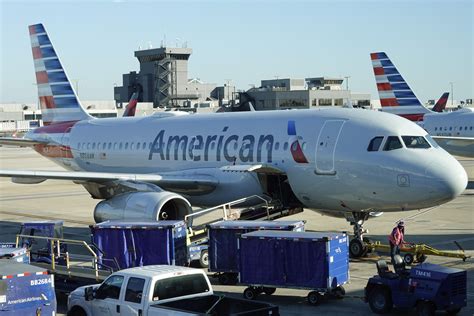
Other carriers felt the storm’s sting too. SkyWest Airlines saw 51 delays and 12 cancellations. Delta Air Lines reported 28 delays (38%) and one cancellation, while JetBlue experienced a 100% delay rate on its two scheduled flights. International carriers like Lufthansa, Emirates, and Air Canada encountered minor to moderate delays, adding to the day’s cascading operational failures. Inside terminals, passengers faced massive queues at customer service desks, overwhelmed rebooking systems, and scarce accommodation options as the storms stalled aircraft movement for hours.
Atlanta Hartsfield-Jackson: The World’s Busiest Airport Brought to a Crawl
Simultaneously, severe weather battered Atlanta Hartsfield-Jackson, the world’s busiest airport by passenger numbers. The airport recorded 604 delays and 47 cancellations, disrupting a total of 651 flights. Delta Air Lines, the dominant carrier at ATL, suffered 422 delays (25%) and 35 cancellations (2%). The domino effect hit other carriers: Southwest Airlines logged 38 delays (32%), Endeavor Air reported 40 delays and one cancellation, and Frontier Airlines faced 26 delays and 9 cancellations.
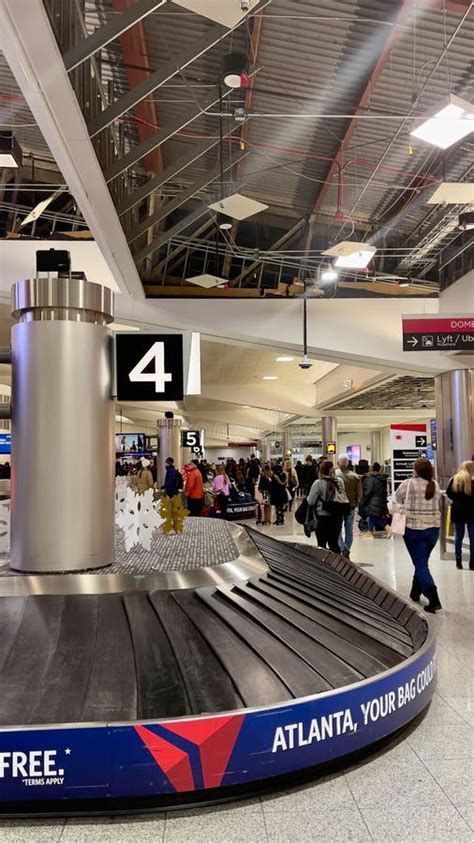
International carriers were not spared. Virgin Atlantic, Air France, British Airways, WestJet, and Aeroméxico Connect all reported delays and limited cancellations, further straining transatlantic and cross-border schedules. The chaotic conditions left passengers scrambling for updates, with many spending the night in terminals as hotels near the airport reached capacity.
Ripple Effects Across the Nation
The operational chaos at DFW and ATL radiated outward, snarling flight schedules across the country. Airports from New York’s JFK and LaGuardia to Chicago O’Hare and Los Angeles International felt the strain, as aircraft and crew schedules fell out of sync. Carriers attempted to reposition planes and staff, but with storm systems persisting across the Midwest and Southeast, recovery efforts were hampered.
Meteorologists warned that the storm pattern could continue for several more days, keeping airlines on edge. The Federal Aviation Administration (FAA) issued airspace flow programs, cautioning of further potential delays at key hub airports. Passengers traveling through major airports were advised to monitor airline apps, check flight statuses frequently, and arrive early to navigate longer lines at check-in and security.
Airlines Struggle Under Pressure of Peak Summer Demand
This latest disruption underscores the fragility of air travel during peak demand periods. With planes flying at or near capacity, the margin for operational flexibility has all but evaporated. Airlines faced difficult choices: juggling limited spare aircraft, managing crew duty limits, and dealing with the logistical nightmare of rebooking tens of thousands of travelers.
The cascading cancellations also highlighted systemic vulnerabilities. As one American Airlines official noted, “When you have this level of weather impact at two major hubs simultaneously, it creates a nationwide gridlock that can take days to untangle.” The challenges were magnified by the broader industry context: a workforce still stretched thin from pandemic-related cuts, high fuel prices impacting contingency operations, and aircraft supply chain bottlenecks limiting the availability of spare planes.
What This Means for Travelers This Summer
Travelers should brace for continued volatility. With meteorologists forecasting ongoing thunderstorm activity and hurricane season on the horizon, the potential for further major disruptions is significant. Experts recommend that passengers build flexibility into their plans, consider travel insurance, and stay informed through official airline channels rather than relying solely on third-party apps or websites.
Looking ahead, airlines are working to strengthen operational resilience — but with summer demand near record highs, even the most robust systems may buckle under the pressure of severe weather. As the situation at DFW and ATL shows, when nature strikes at the heart of America’s air travel network, the consequences can be felt far beyond a single airport’s runways.
For now, travelers passing through these critical hubs should remain vigilant, patient, and prepared for potential last-minute changes to their journeys. The 2025 summer travel season may yet deliver more challenges as airlines and passengers navigate the unpredictable skies ahead.