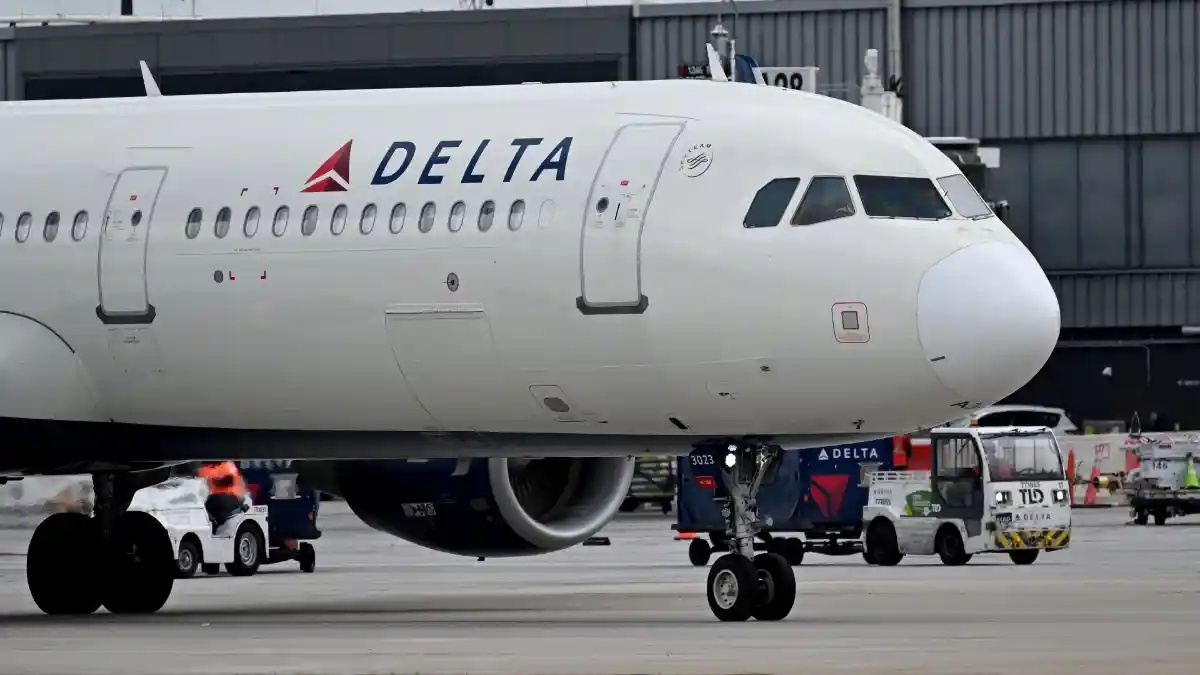
A federal judge has allowed a long-running lawsuit brought by Delta Air Lines pilots who serve or have served in the U.S. military to move forward as a class action, potentially widening the financial and legal consequences for the Atlanta-based carrier. The pilots allege that Delta discriminated against service members by denying them paid leave for short-term military deployments, even though the airline provides paid leave for certain comparable personal and civil obligations. The dispute centers on whether that difference in treatment violates the Uniformed Services Employment and Reemployment Rights Act (USERRA).
The ruling is significant because it does not merely concern the circumstances of a handful of pilots. If the claims ultimately succeed, the case could affect a much larger group of Delta pilots who have taken military leave during the period covered by the litigation. Earlier proceedings have already focused on whether the pilots could pursue their allegations collectively, making the latest development an important procedural step in a dispute that has stretched across several years.
Delta Pilots Challenge Short-Term Military Leave Policy
The lawsuit was initially filed in 2021 by Patrick Haley, Randal Reep, and Benjamin Best, who alleged that Delta’s treatment of short-term military leave conflicted with federal protections for members of the armed forces and reserves. USERRA is intended to protect civilian employment rights for people who leave their jobs to perform military service, while also prohibiting employment discrimination based on military obligations.
At the heart of the dispute is the difference between military leave and other forms of short-term absence. The pilots contend that Delta provides paid leave for circumstances such as sick leave, bereavement and jury duty, while pilots who need to leave work temporarily for military service must generally take unpaid leave. Their argument is that the relevant question under USERRA is not simply whether the law independently requires every employer to create paid military leave, but whether military personnel are being denied benefits that are generally available to employees taking comparable types of leave.
The issue is particularly important for airline pilots because military service can require reservists to leave a carefully structured commercial flying schedule for relatively short periods. A deployment or training obligation may last only days or weeks, yet the pilot can lose wages during that period while still being required to fulfill the military obligation. For pilots whose compensation includes substantial flight-related earnings, the financial effect of unpaid leave can be meaningful.
Pilot Working Agreement Adds Another Layer
Delta’s pilots are covered by a Pilot Working Agreement (PWA) negotiated through collective bargaining. The agreement establishes compensation and leave provisions governing numerous aspects of a pilot’s employment, including certain short-term absences. The plaintiffs argue that the agreement’s treatment of military leave creates the very disparity that federal law is intended to prevent.
The legal question therefore reaches beyond a simple disagreement over Delta’s internal scheduling rules. Courts must determine whether the categories of leave being compared are sufficiently similar under USERRA and whether the benefits attached to those categories must also be extended to qualifying military absences. Federal regulations consider factors such as the purpose, duration and employee’s ability to choose when leave occurs when evaluating whether different types of leave are comparable.
That framework has already produced complex litigation involving Delta pilots. In a separate case, the Eleventh Circuit in April 2026 affirmed summary judgment for Delta involving former pilots Adam McLean and James Doyle, who raised different USERRA claims concerning military service, pension contributions and vacation accrual. That decision illustrates how heavily the precise type and duration of leave can influence the outcome of a military-employment dispute.
Delta Questions Practicality of Class-Wide Damages
Delta has opposed class certification and argued that calculating damages individually for each pilot would be administratively difficult. The airline’s position reflects a central challenge in employment class actions: even when workers raise a common policy issue, their financial losses can vary substantially depending on salary, schedules, leave periods and individual circumstances.
The plaintiffs, however, argue that the fundamental issue can be resolved through common evidence: whether Delta’s uniform policy toward short-term military leave is lawful. A court finding that the policy violates USERRA could potentially establish liability across a broader group before individual compensation is calculated.
That distinction matters because class certification does not establish that Delta violated federal law. It simply determines that the plaintiffs can pursue the relevant claims collectively under the requirements for a class action. The ultimate merits of the allegations remain to be decided.
What the Delta Military Leave Lawsuit Means for Pilots
The case could have implications beyond the immediate dispute between Delta and its pilots. Thousands of commercial airline pilots maintain military careers as reservists, creating an unusual employment relationship in which a highly specialized civilian workforce can also be subject to recurring military obligations.
Delta is one of the largest U.S. airlines and employs more than 17,000 pilots, according to figures cited by the Air Line Pilots Association. Its scale means that even a narrowly defined policy can affect a substantial number of employees over time. The airline also operates thousands of daily flights, making pilot scheduling and leave management particularly consequential.
The latest ruling therefore represents an important development, but not a final judgment. The allegations remain contested, and Delta has not been found liable merely because the pilots are permitted to proceed as a class. The litigation will now move toward further proceedings that could ultimately produce a trial, settlement or additional rulings.
For military pilots, however, the case raises a broader question with consequences well beyond Delta: when civilian employers provide paid benefits for certain short-term absences, how should those benefits be treated when an employee temporarily leaves to serve the country? The answer could help define the practical boundaries of USERRA protections for service members in highly specialized industries, including commercial aviation.