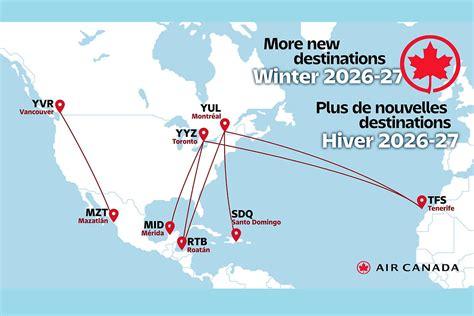
Air Canada is less than a month away from opening a new chapter in Canada’s long-haul network, with the launch of two new nonstop routes to Tenerife in the Canary Islands. Toronto Pearson International Airport will receive the first service on October 25, 2026, followed only six days later by a Montréal–Tenerife route. Both flights will be operated by Air Canada’s Airbus A321XLR, bringing roughly nine-hour transatlantic flying to a destination that has never before had scheduled nonstop service from Canada.
The Toronto–Tenerife route will begin first, with flight AC954 departing Toronto Pearson at 8:35 PM on Thursdays and Sundays and arriving at Tenerife South Airport at 9:00 AM the following morning. The return AC955 is scheduled to leave Tenerife at 10:55 AM on Mondays and Fridays, reaching Toronto at 2:50 PM. Montréal will follow on October 31, when AC956 departs Montréal–Trudeau at 9:00 PM on Saturdays and arrives in Tenerife at 9:00 AM the next day. The initial Montréal return is scheduled for Sunday, arriving back in Montréal at 2:10 PM.

The significance of the routes goes well beyond adding another European destination to Air Canada’s map. Tenerife becomes the airline’s first destination in the Canary Islands, giving Canadian travelers a direct alternative to traditional winter-sun markets such as Florida, Mexico and the Caribbean. The timing is particularly important because the service begins at the start of the winter travel season, when demand for warm-weather destinations from Canada typically becomes especially attractive.
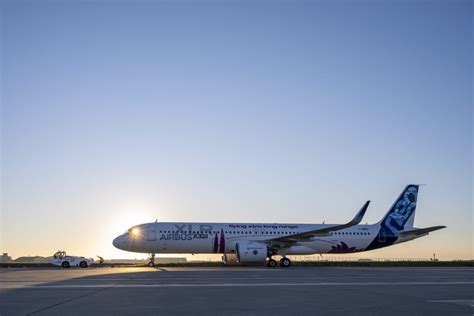
The aircraft is central to the economics of the new routes. Air Canada’s 182-seat A321XLR is substantially smaller than the widebody aircraft normally associated with nine-hour international services. Its cabin contains 14 Signature Class seats in a 1-1 configuration, offering fully flat beds and direct aisle access, alongside 168 Economy seats. This allows Air Canada to provide a premium long-haul product without having to fill the considerably larger capacity of an Airbus A330 or Boeing 787.
Air Canada Tenerife Flights Begin With Limited Frequency
The initial schedule is deliberately modest. Toronto–Tenerife will operate twice weekly, while Montréal–Tenerife starts with just one weekly flight. Rather than immediately committing a large amount of capacity to a new leisure market, Air Canada can use the A321XLR to test demand while maintaining a premium cabin and nonstop connectivity.
Air Canada has previously indicated that its A321XLR aircraft can fly for as long as 11 hours, with a range of approximately 5,400 miles, or 8,700 kilometers. That combination makes the aircraft particularly useful for routes that are too long for conventional narrowbody operations but may not generate enough demand for a larger widebody aircraft several times each week.
Tenerife fits that profile unusually well. The island is far from Canada geographically, but its appeal is highly seasonal and leisure-focused. Travelers seeking sunshine during the Canadian winter can reach the Canary Islands without connecting through a European hub, while Air Canada can avoid committing a widebody aircraft to a market that may have more limited year-round demand.
The Montréal service is already showing signs of a broader commitment. Its schedule increases to two weekly flights between February 2 and March 23, before being filed at three weekly from April 1. Air Canada has also extended the Montréal route into summer 2027 and currently schedules it as a year-round service. Toronto, meanwhile, remains scheduled as a seasonal winter operation through late April.
Why Tenerife Matters To Air Canada’s Canadian Network
Tenerife gives Air Canada something different from its established European network. The airline already operates a substantial number of flights from Toronto and Montréal to major European cities, but the Canary Islands offer a distinctly different travel proposition. Instead of competing primarily for business traffic and traditional city tourism, the Tenerife service is designed around leisure demand, winter sunshine and long-haul vacation travel.
The destination also gives Air Canada a way to diversify its European network geographically. Tenerife is located off the northwest coast of Africa and has become one of Spain’s most internationally recognized warm-weather destinations. Its volcanic landscapes, beaches, outdoor activities and mild climate provide a natural attraction during the colder months in Canada.
Air Canada is not entering the market alone. Air Transat is scheduled to begin weekly service from both Toronto and Montréal to Gran Canaria Airport on December 12, 2026. Those flights will use the Airbus A321LR, creating a new competitive landscape across the two largest Canadian metropolitan areas.
The result is notable because Canada previously had no scheduled nonstop service to the Canary Islands. Within a matter of weeks, Toronto and Montréal will therefore have direct connections to two different Canary Islands, with Air Canada serving Tenerife and Air Transat serving Gran Canaria.
The Canary Islands Market Has Already Been Tested
There is also evidence that the North American Canary Islands market can be challenging. United Airlines launched service between Newark Liberty International Airport and Tenerife in 2022, operating the route with a Boeing 757. The service was eventually extended into the winter season, but its final operation ended in April 2025, and subsequent plans to resume the route disappeared from the carrier’s schedule.
That history helps explain the relatively cautious approach now being taken by Canadian airlines. Air Canada and Air Transat are not flooding the market with daily widebody services. Instead, they are using long-range narrowbody aircraft and low frequencies to match capacity more closely with anticipated demand.
For Air Canada, this is precisely where the A321XLR becomes strategically valuable. The aircraft makes it possible to serve a destination that could be difficult to support with a larger aircraft while still providing a genuine long-haul cabin, including lie-flat seats at the front.
Tenerife Is Only One Part Of Air Canada’s Expansion
The Tenerife launches are also part of a much larger international expansion by Air Canada. The airline has scheduled new or returning long-haul services from its major hubs in Toronto, Montréal and Vancouver, creating a significantly broader international network through 2026 and 2027.
Toronto is scheduled to gain new A321XLR routes to Oslo and Shannon in June 2027, while Montréal is preparing for new service to Basel and Dubrovnik. Toronto will also add a new Nice service using an Airbus A330-300. Vancouver, meanwhile, is expanding its transpacific network with seasonal service to Sapporo and a new year-round Boeing 787-9 route to Guangzhou.
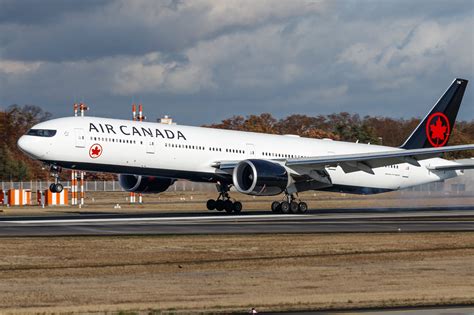
The contrast between Tenerife and the airline’s established European network demonstrates how Air Canada is using different aircraft for different market opportunities. During the first week of November, Air Canada has around 92 weekly European departures from Toronto and 70 from Montréal, while Tenerife begins with only two weekly flights from Toronto and one from Montréal.
That difference is important. Tenerife does not need to become one of Air Canada’s largest European routes to justify its existence. The A321XLR allows the airline to operate a smaller market with limited frequencies while preserving the ability to evaluate demand and adjust capacity later.
Air Canada is already applying this strategy to other thinner transatlantic markets, including Toulouse, Nantes and Lyon. The aircraft therefore represents more than a new addition to the fleet. It gives the airline another tool for expanding its international network without relying exclusively on high-volume hub-to-hub markets.
Vancouver Adds Another Dimension To The Expansion
Air Canada’s international growth is not limited to Europe and the Canary Islands. Vancouver is becoming increasingly important to the airline’s long-haul strategy, particularly across the Pacific. The new seasonal route to Sapporo begins in December 2026, while year-round Vancouver–Guangzhou service is scheduled to begin on May 4, 2027, using the Boeing 787-9.
Another potential opportunity has emerged in Southeast Asia. Canada and Vietnam expanded their air transport agreement on September 24, allowing direct scheduled passenger flights under the expanded framework. Air Canada has not announced a Vietnam route, but the regulatory development creates another potential market as Vancouver continues to function as a major transpacific gateway.
For now, however, Tenerife is the immediate headline. Air Canada’s first Canary Islands service begins on October 25, followed by Montréal six days later. The two routes will introduce Canada’s first nonstop scheduled links to Tenerife while demonstrating how the A321XLR can open markets that might otherwise be difficult to serve profitably with larger aircraft.
The next few months will therefore provide an important test of whether Canadian demand can support regular nonstop flying to the Canary Islands. With Air Canada entering Tenerife and Air Transat preparing to serve Gran Canaria, a market that previously had no direct Canadian service is rapidly becoming one of the newest battlegrounds in the country’s expanding leisure network.