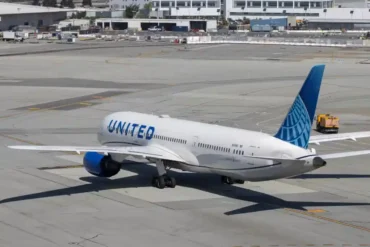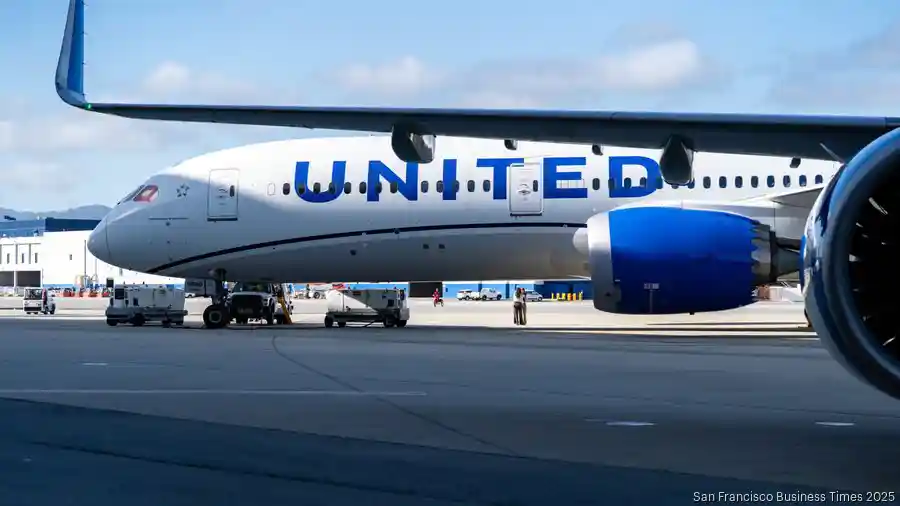
United Airlines is preparing to open a new nonstop link between San Francisco and Sapporo, creating the first direct service from the U.S. mainland to New Chitose Airport (CTS). The new route is scheduled to begin on December 11 and will operate three times weekly with the Boeing 787-9 Dreamliner. For travelers heading to Japan’s northernmost island, the service changes the journey from a connection through Tokyo into a single transpacific flight.
The route will connect San Francisco International Airport (SFO) with New Chitose, the principal gateway to Sapporo and Hokkaido. United’s published schedule gives the westbound flight number UA 234, departing San Francisco at 10:30 a.m. and arriving in Sapporo at 2:15 p.m. the following day. The 4,811-mile journey is scheduled to take about 10 hours and 45 minutes, placing it firmly in the long-haul category.
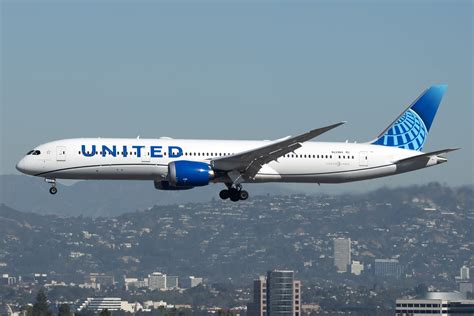
The return, UA 235, is scheduled to leave CTS at 4:15 p.m. and reach San Francisco at 8:20 a.m. the same day, reflecting the westbound and eastbound differences created by the Pacific crossing and time zones. Its scheduled flight time is approximately 9 hours and 5 minutes. With three weekly departures in each direction, the service is designed around seasonal demand.
United’s New San Francisco-Sapporo Route Adds a Direct Pacific Gateway
For many American travelers, reaching Hokkaido has traditionally required another flight after arriving in Japan. Connections through Tokyo Haneda (HND) or Narita International Airport (NRT) add waiting time and another stage of travel. United’s SFO-CTS service removes that intermediate step for passengers able to use its San Francisco schedule.
The practical advantage extends beyond California. San Francisco is one of United’s major hubs, giving passengers from numerous U.S. cities the opportunity to connect onto the Sapporo flight without first traveling through Tokyo. That structure makes the route relevant to a wider market, particularly travelers planning winter vacations around skiing, snowboarding, food, and seasonal festivals.
The timing is notable because Hokkaido’s strongest international tourism appeal is concentrated during the colder months. United is positioning the service for travelers seeking powder snow while giving premium leisure passengers a direct option into Sapporo. The Boeing 787-9 suits this mission, with long-range capability and multiple cabin products, including United Polaris business class.
Hokkaido’s Winter Tourism Creates a Strong Seasonal Demand Base
Hokkaido has become internationally associated with exceptionally dry, abundant snowfall, a phenomenon often called Japow, short for Japan Powder. For adventure travelers, that snow is a major attraction. Resorts around Sapporo provide access to some of Japan’s most recognized winter destinations, including Niseko and Rusutsu, each offering a different experience for skiers and snowboarders.
Niseko United consists of four interconnected resort areas near Mount Yotei and has developed a strong reputation among international luxury-ski travelers. Rusutsu Resort offers another major option, roughly 90 minutes from Sapporo by road and spread across three mountains. Direct access to CTS places passengers close to a broad network of winter activities without requiring a domestic flight after landing.
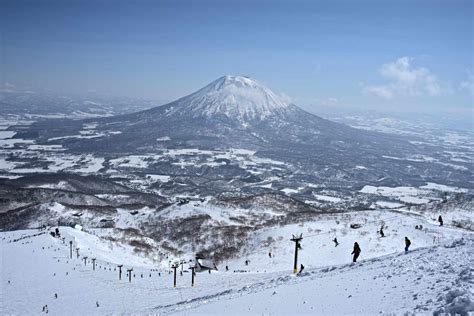
The appeal is not limited to ski resorts. Hokkaido is also known for seafood, agriculture, local cuisine, and winter cultural events. The Sapporo Snow Festival, held in February, is one of the island’s recognizable attractions, drawing visitors to enormous snow and ice displays. A winter nonstop gives North American travelers a simpler way to build the event into a vacation.
United Targets Premium Leisure Travelers With the 787-9
The 787-9 gives United a platform for attracting passengers who value comfort during a flight approaching 11 hours. The aircraft can support a premium international configuration while retaining economy capacity, allowing the airline to serve leisure travelers and higher-yield customers.
The route also represents a shift in Hokkaido’s international travel flows. Before the pandemic, Hawaiian Airlines connected Hokkaido with Honolulu, while United previously operated service from Guam. Those routes served different markets, with Hawaii attracting Japanese travelers seeking warmer-weather vacations. United’s new San Francisco service instead focuses on North American outbound demand, particularly during Hokkaido’s winter season.
United Expands Its Pacific Network From San Francisco
The Sapporo route fits into broader transpacific competition. United and Delta have pursued different approaches across the Pacific, with United relying heavily on its extensive international network and West Coast hubs. Delta has expanded through cities such as Seattle and Minneapolis, while also using Tokyo and its partnership with Korean Air to connect passengers across Asia.
United’s SFO-CTS service offers a different proposition: a direct mainland U.S. corridor into northern Japan. By avoiding Tokyo connections, it can make Hokkaido more accessible to travelers whose final destination is the island rather than Japan’s main urban centers.
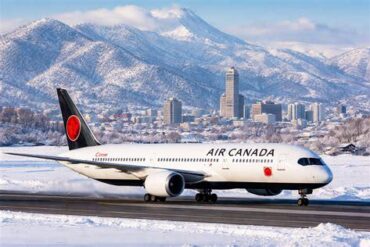
United will also follow the launch of Air Canada’s Vancouver-New Chitose service, giving Hokkaido another direct North American connection. The new routes indicate airline interest in the international winter-leisure market surrounding Sapporo.
For United passengers, the most important change is straightforward: beginning December 11, travelers can fly from San Francisco to Sapporo without connecting in Tokyo. At 4,811 miles and about 10 hours 45 minutes, the new route creates a bridge between a major U.S. gateway and Hokkaido, just as the island enters its most internationally sought-after season.