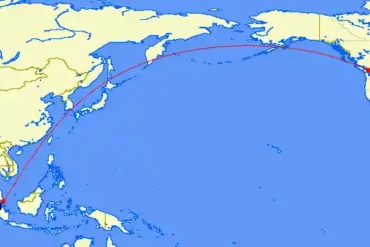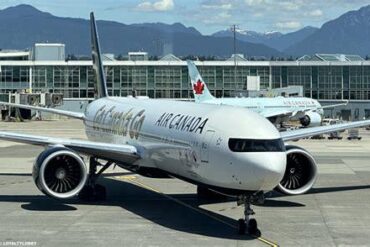
Air Canada is preparing to add a new transpacific route to its network this winter, connecting Vancouver International Airport (YVR) with Sapporo New Chitose Airport (CTS) in Japan’s northern Hokkaido region. The seasonal service is scheduled to begin on December 17, 2026, giving Canadian travelers a direct way to reach one of Asia’s most popular winter destinations without connecting through Tokyo.
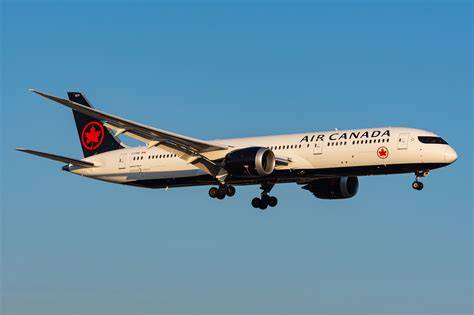
The new route will operate three times weekly through late March 2027, with Air Canada initially scheduling Boeing 787 Dreamliners on the approximately 4,299-mile (6,917-kilometer) journey. The westbound flight is currently scheduled to take about nine hours and ten minutes, while the return to Vancouver will operate overnight and take roughly eight hours and 15 minutes.
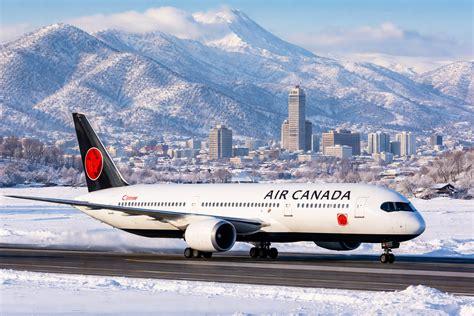
The timing is particularly significant because Hokkaido enters one of its busiest international tourism periods during the winter. Sapporo is widely known for its ski resorts, winter scenery, seafood and annual Snow Festival, while Japan has experienced strong demand from Canadian travelers. Japan welcomed nearly 700,000 Canadian visitors in 2025, representing an 18% increase from the previous year, while Sapporo itself recorded more than 16 million visitors.
For Air Canada, the new service also strengthens Vancouver’s role as a major gateway between Canada and Asia. Rather than requiring travelers to make a connection elsewhere in Japan, the airline will offer a direct link between British Columbia and Hokkaido throughout the core winter season.
Air Canada Vancouver–Sapporo Flights Begin December 17
Air Canada’s new service will be operated under flight numbers AC55 from Vancouver to Sapporo and AC54 on the return journey. AC55 is scheduled to depart Vancouver at 2:25 p.m. on Mondays, Thursdays and Saturdays, arriving at New Chitose at 3:35 p.m. the following day because of the time difference.
The return flight will operate on Tuesdays, Fridays and Sundays. AC54 is scheduled to leave Sapporo at 7:35 p.m. and arrive in Vancouver at approximately 11:50 a.m. the same day, making it an overnight transpacific service for passengers.
| Flight | Route | Frequency | Departure | Arrival | Block Time |
|---|---|---|---|---|---|
| AC55 | Vancouver–Sapporo | Mon, Thu, Sat | 2:25 PM | 3:35 PM +1 | 9h 10m |
| AC54 | Sapporo–Vancouver | Tue, Fri, Sun | 7:35 PM | 11:50 AM | 8h 15m |
The schedule runs from December 17 through March 25 for the Vancouver-to-Sapporo service, with the return operating from December 18 through March 26. For travelers planning winter holidays, that places the route directly inside the peak ski season and includes the period surrounding Sapporo’s major winter events.
One of the most important advantages is the elimination of a connection in Tokyo. Air Canada says the nonstop service can save passengers more than two hours each way compared with itineraries requiring a Japanese domestic connection. That difference becomes particularly valuable for travelers carrying ski equipment, traveling with families or trying to maximize a short winter vacation.
The airline has also highlighted Vancouver’s extensive onward network. Passengers arriving at YVR can connect to more than 45 destinations across Canada, the United States and Mexico, turning the Sapporo service into more than a Vancouver-focused route. Travelers from other parts of North America can potentially use Vancouver as their gateway to Hokkaido.
Boeing 787-9 Capacity Increase Signals Strong Demand
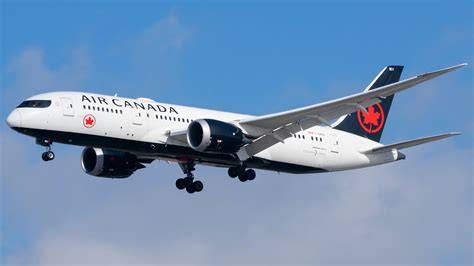
Air Canada initially planned to operate the route with its 255-seat Boeing 787-8, but the schedule has since changed. The airline is now using the larger 298-seat Boeing 787-9 from the launch before temporarily switching back to the 787-8 between January 18 and February 27.
The additional capacity is notable for a brand-new seasonal route. Although aircraft assignments can change as schedules are adjusted, deploying the larger Dreamliner during parts of the season gives Air Canada considerably more seats to sell at a time when demand for travel to Hokkaido is expected to be particularly strong.
Both Boeing 787 variants offer Signature Class, Premium Economy and Economy, giving the route a range of cabin options rather than serving exclusively as a leisure-focused economy operation.
Air Canada is also emphasizing the convenience of transporting winter sports equipment. Ski bags and related equipment can qualify under the airline’s standard international checked-baggage allowance, which is particularly relevant for travelers heading to Hokkaido specifically for skiing and snowboarding.
Sapporo Gains More North American Nonstop Flights
Air Canada’s new route was initially presented as the only nonstop connection between North America and Sapporo. That distinction, however, has already changed.
United Airlines has announced its own seasonal San Francisco–Sapporo service, beginning December 11, six days before Air Canada’s Vancouver operation. United will also operate three weekly Boeing 787-9 flights through the winter season.
The result is a major change for Hokkaido’s long-haul connectivity. Before these launches, Sapporo did not have nonstop service to North America. This winter, Air Canada and United will together provide six weekly North American nonstop flights, creating direct access from two major Pacific gateways.

The broader expansion is not limited to North America. Sapporo is becoming an increasingly important seasonal destination for international airlines because its winter attractions generate demand that is concentrated into a relatively short period.
Qantas, for example, is increasing its seasonal Sydney–Sapporo operation from three flights per week to five weekly flights. Singapore Airlines is scheduled to operate daily service from November 30 through January 27 before reducing to three weekly flights through February.
Airlines closer to Japan are also adding capacity. Philippine Airlines is increasing its Manila–Sapporo schedule to five weekly flights, while Cebu Pacific is scheduled to operate daily during parts of December through February. From Seoul, eight airlines will serve Sapporo, with Eastar Jet reaching 24 weekly flights during the peak period.
Sapporo’s Winter Demand Drives Airline Expansion
The concentration of flights is closely connected to Hokkaido’s winter tourism calendar. Sapporo’s 2027 Snow Festival is scheduled for February, a period when the city becomes one of Japan’s most prominent international winter destinations. The event typically attracts more than two million visitors, creating a powerful seasonal demand peak for airlines.
Skiing is another major factor. Hokkaido has developed an international reputation for powder snow, with resorts around the island attracting visitors from Canada, the United States, Australia, Southeast Asia and elsewhere in Asia.
For Air Canada, that makes Sapporo different from a conventional business-oriented Asian destination. The route is designed around a concentrated leisure season, and the airline can use its widebody fleet to target periods when demand for winter travel is strongest.
Vancouver’s Asia Network Continues to Expand
Sapporo is also part of a broader expansion of Air Canada’s Asian network from Vancouver. According to Cirium data cited in the reference material, the airline’s Vancouver operation is scheduled to grow from eight Asian destinations and 48 weekly departures in January 2026 to nine destinations and 55 weekly departures in January 2027.
That represents a 14.6% increase in weekly departures. Sapporo accounts for three of the additional weekly flights, while other markets are also seeing adjustments.
Beijing is scheduled to increase from four weekly flights to daily service, while Manila rises from four to five weekly flights. Tokyo Narita, Seoul, Shanghai and Hong Kong remain important parts of the network, while Singapore continues at five weekly departures.
The network becomes even more flexible later in the year. By July 2027, the Sapporo service disappears from the schedule, while Bangkok is reduced to three weekly flights and Osaka returns. Guangzhou is also scheduled to become a new year-round destination from Vancouver, with three weekly Boeing 787-9 flights beginning May 4.
This seasonal adjustment illustrates how airlines increasingly deploy long-haul aircraft according to demand rather than maintaining identical schedules throughout the year. A destination that performs strongly during winter does not necessarily need the same capacity during summer.
A New Winter Option for Canadian Travelers
Air Canada’s Vancouver–Sapporo nonstop route therefore represents more than another addition to the airline’s timetable. It creates a direct connection between Western Canada and Hokkaido during one of the island’s busiest travel seasons, while giving travelers an alternative to connecting through Tokyo or other Asian gateways.
The three-weekly schedule also gives Air Canada room to test demand before determining how the market should develop in future seasons. With United launching a competing North American route and several Asian and Australian airlines expanding their own Sapporo services, the winter of 2026–27 will provide a clear indication of how much international capacity Hokkaido can absorb.
For passengers, the immediate attraction is straightforward: a roughly nine-hour nonstop flight from Vancouver to Sapporo, seasonal Boeing 787 service, multiple cabin choices and easier access to one of Japan’s most important winter destinations. The first flight is scheduled for December 17, 2026, putting the new route in place just as Hokkaido’s winter travel season gets underway.