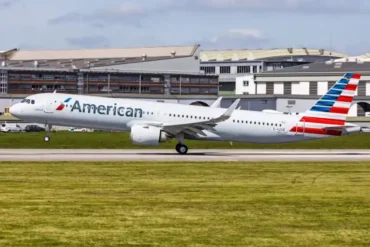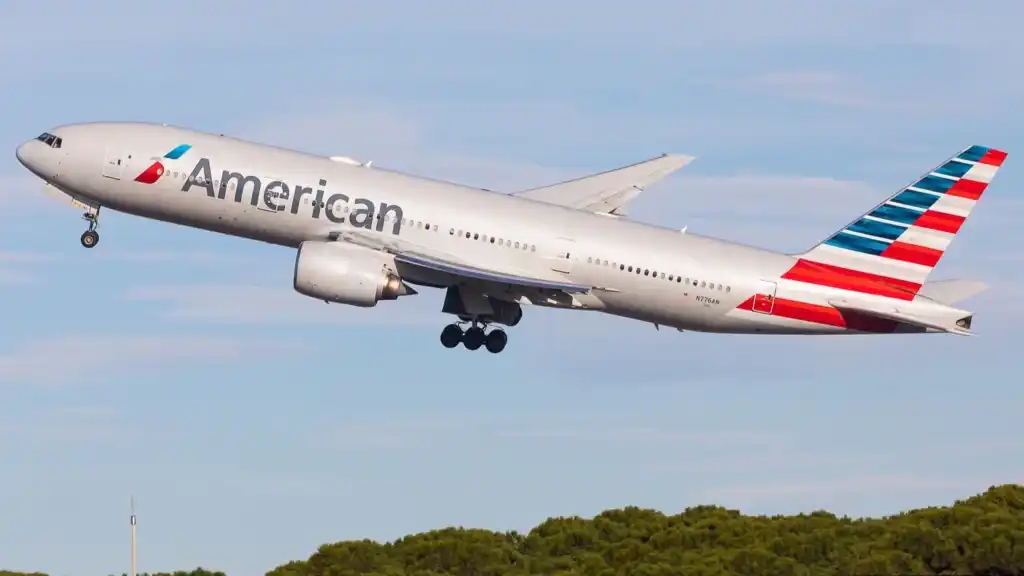
When Nicholle Acciarri was denied boarding on a New York to Cleveland flight, she says a gate agent handed her a clear promise: $650 in cash or reimbursement for a rental car, a replacement ticket, or a hotel. She chose the rental car, drove the roughly 400 miles to Cleveland Hopkins International Airport (CLE), and waited for American Airlines to make good on the offer. Instead, the carrier paid $442 and argued that a late switch to a smaller aircraft removed any obligation to compensate her at all. The gap between a $650 verbal pledge and a $442 credit has become a case study in how federal oversales rules work, how airlines interpret them, and how much weight a gate agent’s word actually carries.
Inside the $650 Offer That Shrank to $442
Acciarri had a confirmed seat and a reasonable expectation of arriving on schedule. She was told at the gate that she could not fly, and she says the offer presented to her was worth $650, payable as a check or applied to a rental car, airline ticket, or hotel stay. Because she needed to reach Cleveland, she rented a car and made the drive herself, confident that the documented offer would be honored. The airline’s first response was a $250 flight credit that expired after one year, a fraction of what she understood she had been promised and far less than the cost of her improvised travel.
Customer relations then offered a second explanation rather than the money. A representative told her she was not entitled to regulated compensation because the aircraft assigned to the flight had been changed to a smaller model. One supervisor reportedly located records showing she qualified for a $353 check or a $442 credit because of weight restrictions on the aircraft, but American later characterized that entry as an error. Only after consumer advocate Christopher Elliott contacted the airline did American add $192, lifting the total to $442. The carrier conceded that an agent had made an offer at the airport, yet it refused to pay the $650, floating the theory that the larger figure was probably intended for passengers volunteering to surrender their seats.
Why a Smaller Aircraft Can Void Bumping Compensation
The dispute turns on a distinction buried deep in the federal rulebook. Under 14 CFR § 250.6, passengers denied boarding because an airline substitutes a lower-capacity aircraft for operational or safety reasons are not eligible for involuntary denied-boarding compensation, provided the change leaves the flight unable to accommodate everyone holding a confirmed reservation. American’s response appears to rest on that exception, which is designed to protect carriers forced to swap equipment for maintenance, weather, or safety issues rather than to protect them from the consequences of overselling.
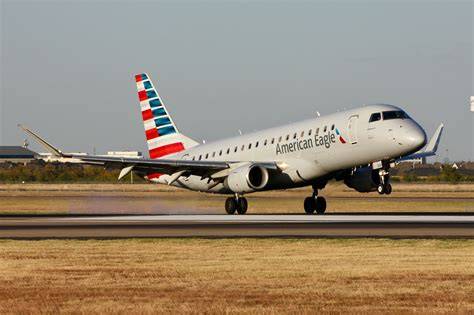
The critical question is whether the substitution was genuinely tied to operational or safety needs and whether it directly caused Acciarri to lose her seat. If the originally scheduled aircraft simply carried more confirmed bookings than it had seats, ordinary oversales rules should govern the outcome. For a qualifying involuntary bump, the Department of Transportation caps compensation at 200% of the one-way fare, up to $1,075, when alternate transportation gets a passenger to the destination within a defined window, and at 400%, up to $2,150, for longer delays. Those figures vanish entirely once the smaller-aircraft exception applies, which is precisely why the equipment change carries so much weight.
A Carrier Race With a Long Bumping Record
The timing of the dispute is awkward for American. Weeks earlier, the airline had instructed airport employees to stop involuntarily denying boarding altogether, effective September 30, 2026, with staff told to keep aircraft doors open until enough volunteers step forward, even at the cost of delaying departure. Airport managers were given authority to approve higher offers, and volunteers can be confirmed on the next departure even when that flight initially looks full. The directive follows a difficult record: Department of Transportation figures cited by View From The Wing show American and its regional partners bumped 14,758 passengers in 2025, about 60% of the 24,596 involuntary denied boardings reported across the industry. American logged more such cases than every other reporting airline combined, though Frontier carried the highest rate relative to passenger volume.
What Travelers Should Take From the Acciarri Case
The episode underscores why written confirmation matters. A verbal offer at the gate can create firm expectations that collide with an airline’s later reading of federal rules long after a passenger has rented a car or booked a hotel. The Department of Transportation requires carriers to hand involuntarily bumped passengers a written explanation of their rights, a document that should state the compensation owed and the reasons for the denial. Travelers who receive an airport offer should request it in writing, photograph the agent’s documentation, and keep every receipt tied to alternate arrangements. Elliott’s report does not establish whether the gate agent had authority to guarantee the $650, leaving the dispute to rest on the difference between what was said at the airport and what the airline decided later.