In the world of air travel, unexpected delays and cancellations can turn a smooth journey into a logistical nightmare. When faced with a 10‑hour delay, many passengers turn to third‑party services such as Airhelp.com for help securing compensation under EC261 regulations. Yet, questions about legitimacy, fees, and turnaround times abound. This comprehensive analysis delves deep into user experiences, legal clarifications, and cost–benefit comparisons, offering an authoritative guide for passengers seeking to navigate the complex terrain of flight compensation.
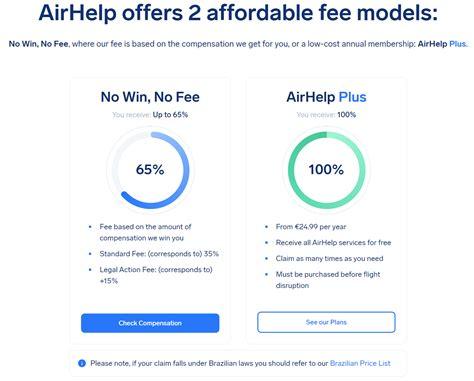
Airhelp.com operates as a contingency‑fee claims processor: they handle EC261 complaints on behalf of passengers and front the legal costs, recovering their fee only if the claim succeeds. According to one five‑year‑old report, a passenger whose claim was valued at €700.00 received €455.00 after Airhelp’s 35% commission—demonstrating the service’s capacity to secure significant payouts without upfront costs. Critics note, however, that such fees can soar to 50% when legal action is required, prompting savvy travelers to weigh convenience against cost savings.
Amid polarized viewpoints, the following key themes emerge from hundreds of forum posts:
- Legitimacy & Reliability: Proponents applaud Airhelp’s proven track record of processing claims and delivering funds within days to weeks. Skeptics decry months‑ or years‑long delays, citing allegations of forged documents and unresponsive support.
- Fee Structures & Alternatives: While Airhelp typically charges 35%, alternative services such as MyFlightRefund (25% fee) and ClaimFlights (around 25%) offer lower commissions but require passengers to handle more of the process themselves.
- Self‑Claim Pathways: Ambitious passengers can file directly with airlines, then escalate to civil courts in the appropriate jurisdiction—Manchester County Court for UK departures, Swiss canton courts for flights via Switzerland—though this demands legal fluency and time.
- User Experiences & Turnaround: Reports range from payout in 2 days (via alternative bank routing) to over a year of waiting. In extreme cases, some users claim eight years without resolution.
- Legal Scope: EC261 applies exclusively to EU carriers on flights to, from, or within the EU; it does not cover all regional carriers or flights operated by non‑EU airlines.
The central question remains: Is Airhelp.com truly legitimate, and is it the best option for securing your passenger rights? The answer depends on your appetite for risk, willingness to pay higher commissions for a hands‑off experience, and patience for potential delays in resolution.

The Rise of Third‑Party Compensation Services
After Kenneth Clarke introduced Air Passenger Duty in 1994 as a proxy for kerosene tax, passengers gradually became aware of their rights under EC261. This EU regulation entitles travelers to compensation for delays exceeding three hours or cancellations without alternative arrangements. Airlines, keen to avoid direct legal costs, often stall or deny legitimate claims—creating a market for specialist services. Airhelp.com emerged as a pioneer, marketing itself as a full‑service solution: from form‑filling to jurisdictional strategy and courtroom advocacy if necessary.
In its early years, Airhelp set a 35% contingency fee, mirroring legal practice where law firms gamble on success fees. This model aligned incentives: the more settled, the higher Airhelp’s payout. Over time, fees crept upward—some reports cite 50% when legal proceedings are invoked. Nevertheless, passengers eager for a hands‑off approach found the trade‑off worthwhile, avoiding the labyrinth of cross‑border litigation and language barriers.
Scrutinizing Legitimacy: User Testimonials Weigh In
A sweeping analysis of user testimonials reveals stark contrasts. On one side, Ryuuken1127 recounts netting a positive cash flow on a €70 AMS–IBZ fare, walking away with ~€450. Classic‑Vegetable‑36 confirms funds landed in their account within 10 days when routed through an alternative bank. ButterscotchFun8900 boasts €1,500 compensation for three tickets, proclaiming the service “100% worth it.” These success stories underscore Airhelp’s capacity to translate legal rights into real cash, often in under two weeks.
Conversely, detractors paint a bleaker picture. Lad‑From‑Lancs alleges forged documents and calls Airhelp “criminals” after receiving swift payment from Lufthansa independently. Striking‑Scarcity‑44 waited over eight years with no compensation, only to have their account closed. bonovox88 eventually reclaimed funds directly within two days after abandoning Airhelp after a year of delays. These accounts expose potential pitfalls: unverified claims, prolonged waiting periods, and customer service breakdowns.
Navigating Fee Structures & Alternatives
Airhelp’s typical 35% commission looms large in any cost–benefit analysis. By comparison, MyFlightRefund charges around 25%, boasting four‑month turnaround times in some cases, and ClaimFlights advertises a similar rate with glowing Google reviews. Passengers with flexibility and legal acumen might secure a better deal by:
- Filing directly with the airline and appealing through EU national enforcement bodies.
- Hiring local attorneys on contingency in the jurisdiction where the claim arose.
- Using lower‑fee platforms that require more passenger involvement but reduce commission drag.
However, these DIY approaches demand extensive paperwork, knowledge of local legal systems, and fluency in the relevant language—barriers that deter many travelers.
Step‑by‑Step: Filing Your Own EC261 Claim
For those determined to avoid high commissions, the self‑claim process unfolds in three phases. First, file a written claim with the airline’s customer‑service department, citing EC261 provisions. If the airline rejects or ignores the claim, identify the correct jurisdiction—commonly the airline’s principal place of business or the departure airport’s national court. For example, a flight from Manchester lands you in the Manchester County Court’s small claims track; a Zurich‑originating flight requires action in a Swiss canton court. Prepare documentation: boarding passes, booking confirmations, delay notifications, and correspondence records. Engaging a local attorney on contingency can streamline the process but may still incur fees and court costs.
Though time‑consuming, self‑filing yields two primary benefits: you retain 100% of the compensation if successful, and you bypass the inflated commissions charged by third‑party platforms. Yet, for busy professionals or non‑legal experts, the overhead often outweighs the savings.
Legal Clarifications: When EC261 Applies—and When It Doesn’t
Understanding the precise scope of EC261 is essential to avoid wasted effort. As Cajmo aptly notes, the regulation applies solely to EU airlines operating flights to, from, or within EU member states. Non‑EU carriers, flights wholly outside EU territory, and codeshares on non‑EU airlines fall outside its purview. Passengers on such routes must turn to alternative national regulations—many of which lack the robust compensation framework of EC261.
Moreover, inbound passengers who connect onward within 24 hours (or shorter domestic windows) enjoy an exemption from APD, demonstrating that timing and ticketing nuances can affect eligibility. While Airhelp’s automated calculators often flag potential claims, savvy travelers should verify each itinerary against the official EC261 text to confirm coverage.
Comparative Turnaround Times: Fast vs. Frustrating
Turnaround times vary wildly across both third‑party services and DIY routes. High‑end platforms can secure funds in as little as 48 hours, provided airlines cooperate and bank routing is optimized. At the other extreme, clients report waiting a year or more, plagued by intermittent “we’re still waiting on the airline” updates. Some claimants, after a year of radio silence, abandoned Airhelp and filed directly—receiving payment within days.
Key factors influencing speed include:
- Airline responsiveness: Some carriers prioritize quick settlements to avoid reputational damage; others drag their feet to minimize cash outflows.
- Banking processes: Direct deposit vs. manual refund methods can introduce multi‑day delays.
- Legal complexity: Claims requiring jurisdictional escalation inevitably extend timelines by months.
Passengers seeking rapid resolution should inquire about bank‑routing options at claim initiation and remain vigilant in following up with both the service provider and airline.
Real‑World Cost–Benefit Analysis
Consider two passengers with identical €400 approved claims. Passenger A uses Airhelp at 35%, netting €260 after six months. Passenger B opts for MyFlightRefund at 25%, receiving €300 after four months. The €40 differential seems modest, but when scaled across large ticket volumes or corporate travel programs, such savings accumulate. Additionally, faster payout reduces cash‑flow disruptions—an important consideration for frequent flyers and small businesses.
However, many passengers prioritize convenience over marginal savings. Airhelp’s end‑to‑end service, including legal escalation, deflects the burden of paperwork and court hearings. For those lacking time or legal expertise, the 10–35% commission buys peace of mind.
Verdict: Is Airhelp.com Worth It?
Airhelp.com’s legitimacy is well‑established: it has secured millions in EC261 compensation, operates under transparent contingency terms, and is recognized by consumer‑advocacy organizations. That said, its 35–50% fees and variable turnaround times warrant scrutiny. Passengers with simple, high‑value claims may find the service indispensable; those with smaller claims or legal bandwidth might save by self‑filing or choosing lower‑fee alternatives.
Ultimately, the decision hinges on three factors:
- Claim complexity: Multi‑leg itineraries and jurisdictional nuances favor expert handling.
- Time sensitivity: Need funds quickly? Explore bank‑optimized routing and lower‑fee services with proven four‑month pipelines.
- Cost tolerance: Willing to pay up to 50% for hands‑off processing? Airhelp remains a top choice. Otherwise, DIY or 25% platforms merit consideration.
By aligning your priorities—speed, savings, or simplicity—you can select the approach best suited to reclaiming your passenger rights. Airhelp.com stands as a legitimate, efficient advocate for many travelers, but it is not the only path to EC261 compensation. Carefully assess your itinerary, claim value, and personal bandwidth before entrusting a third party or going it alone.
Conclusion: Empowered Passengers Reclaim Their Rights
In a post‑pandemic era of heightened travel uncertainty, passengers increasingly demand accountability from airlines. EC261 offers a clear legal framework, yet airlines’ reluctance to pay—and the intricacies of international claims—can frustrate even the most determined travelers. Airhelp.com has carved out a niche by shouldering the burden of legal costs and paperwork, delivering compensation to thousands of passengers each year.
However, no single solution fits all. By understanding fee structures, legal scopes, and real‑world turnaround times, passengers can make informed choices: embrace Airhelp’s comprehensive service, leverage lower‑fee platforms like MyFlightRefund and ClaimFlights, or tackle claims directly for maximum retention of funds. Armed with this knowledge, travelers can transform delay‑induced frustrations into positive outcomes—ensuring that airlines honor their obligations and that passengers secure every euro of compensation they deserve.