The allure of a €30 flight across Europe is undeniable. Airlines like Ryanair have revolutionized air travel, making it accessible to millions who previously found it prohibitively expensive. Yet, paradoxically, these same carriers often report staggering profits, leaving many to wonder: how do they achieve such financial success while offering rock-bottom ticket prices? The answer isn’t a single silver bullet, but rather a meticulously engineered business model that redefines operational efficiency, masters the art of ancillary revenue, and relentlessly cuts costs in every conceivable area. It’s a complex symphony of strategies that allows these budget titans to not just survive, but to thrive in the hyper-competitive aviation industry.
At the heart of the low-cost carrier (LCC) model is the concept of unbundling services. Traditional airlines historically offered an all-inclusive ticket price that covered the flight, checked baggage, in-flight meals, and seat selection. LCCs, spearheaded by pioneers like Southwest Airlines in the U.S. and later perfected by European giants such as Ryanair and EasyJet, stripped the flight experience down to its bare essence: transporting a passenger from point A to point B. Everything else became an optional extra, available for a fee. This à la carte approach creates an illusion of extreme cheapness with the base fare, drawing in customers, while the airline systematically builds revenue through these add-ons.
This unbundling is far more than a minor revenue stream; for many LCCs, it’s a cornerstone of their profitability. Ancillary revenues, derived from sources other than the ticket sale itself, are king. Think about the booking process: a tempting €19.99 fare quickly escalates. Want to choose your seat? That’s a fee. Need to check a bag? A significant charge, often varying by weight and route. Even a standard carry-on bag beyond a small personal item frequently incurs a cost, sometimes bundled with ‘priority boarding’ – a service that loses its exclusivity when a large percentage of passengers purchase it. In-flight, the once-complimentary drinks and snacks are now items for purchase, often at premium prices. Ryanair, for instance, has reported that ancillary revenues can contribute to nearly half of their total revenue per passenger. For a hypothetical €100 flight, they might earn an additional €47 on average from these extras, transforming a seemingly low-yield ticket into a much more profitable transaction. This strategy effectively allows passengers to customize their travel experience and pay only for what they value, but it also means that the advertised price is rarely the final price for most travelers.
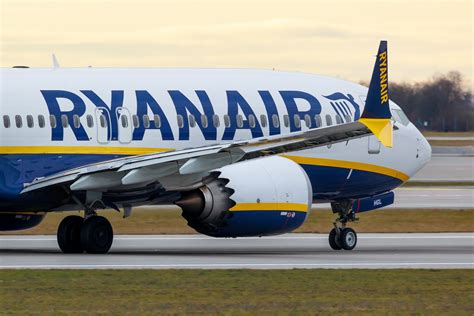
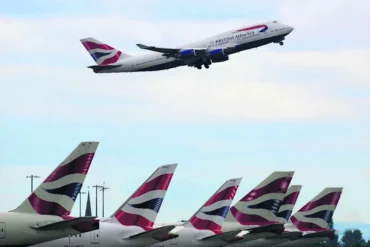
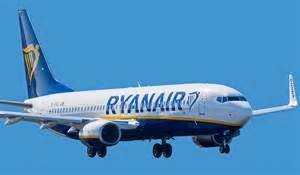
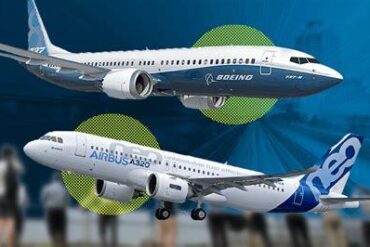
Beyond cleverly structured fares, operational efficiency is the relentless engine driving low-cost airline profitability. A key element is fleet standardization. Ryanair, for example, operates an almost exclusive fleet of Boeing 737 aircraft. Similarly, EasyJet predominantly uses Airbus A320 family aircraft. This single-type fleet strategy yields substantial cost savings. Maintenance becomes streamlined as mechanics specialize in one aircraft type, reducing training complexity and costs. The airline can also maintain a smaller, more optimized inventory of spare parts. Furthermore, pilot training is simplified; crews can often be cross-utilized across different aircraft of the same family with minimal additional certification, offering greater scheduling flexibility and reducing training overheads. This contrasts sharply with legacy carriers that often operate diverse fleets of various aircraft types from different manufacturers to serve a wider range of routes, including long-haul, which inherently increases operational complexity and cost.
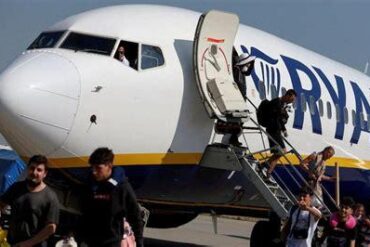
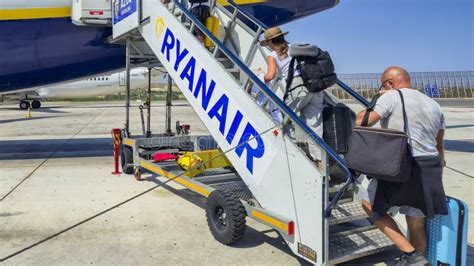
Another critical operational tactic is achieving rapid turnaround times. Low-cost carriers treat their aircraft as high-utilization assets that only make money when they are in the air. The goal is to minimize ground time and maximize flying hours per day. Ryanair is famously aggressive in this area, aiming for turnarounds – the time from when an aircraft arrives at the gate to when it departs for its next flight – in as little as 25 to 40 minutes. This is achieved through a combination of factors: encouraging online check-in to reduce airport counter interactions, often disembarking and boarding passengers via stairs at both the front and rear of the aircraft (which also saves on jet bridge fees), and having cabin crew perform quick cleaning duties between flights. If an airline can squeeze six flights per day out of an aircraft while a competitor only manages five, their return on that expensive asset is significantly higher.
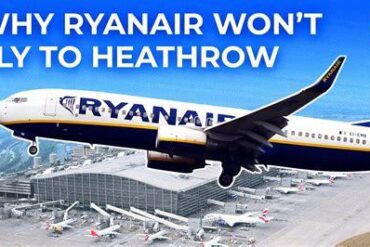
Strategic airport selection also plays a pivotal role. LCCs frequently opt to fly into secondary or regional airports that are often located further from major city centers. Examples include Frankfurt-Hahn instead of Frankfurt Main, or Paris-Beauvais instead of Charles de Gaulle. These smaller airports typically have significantly lower landing fees, handling charges, and less air traffic congestion compared to primary international hubs. Less congestion also contributes to faster turnarounds and better on-time performance. In some cases, LCCs can negotiate highly favorable terms with these airports, which are eager to attract the passenger volume the airline brings. This can include reduced fees, a share of car parking revenue, or contributions towards marketing costs. While passengers might face a longer or more inconvenient onward journey to their final destination, the substantial savings on the airfare often make it a worthwhile trade-off.
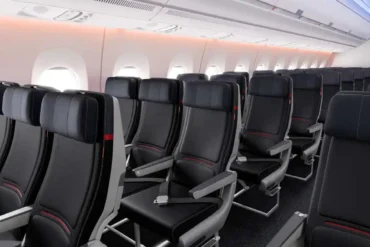
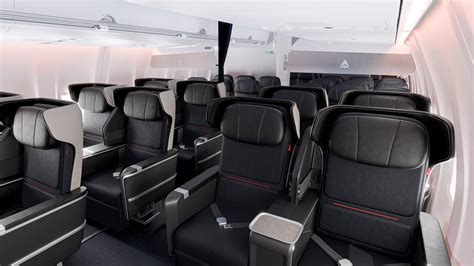
Further bolstering their financial performance is a relentless focus on cost-cutting across all aspects of the business. This extends far beyond simply not offering free peanuts. Staffing models are lean, with employees often performing multiple roles. Direct sales channels, primarily the airline’s own website and mobile app, are heavily promoted to bypass travel agent commissions and Global Distribution System (GDS) fees. Some LCCs have even been known for extreme office austerity measures, such as removing light bulbs to save on electricity. Fuel, a major operating expense for any airline, is often managed through sophisticated hedging programs, although this can be a double-edged sword depending on market volatility. The cabins themselves are designed for efficiency and durability: seats might have less padding, fewer reclining mechanisms (or none at all), and no seat-back pockets, which not only saves on weight and initial cost but also makes cleaning quicker and easier. The absence of in-flight entertainment systems further reduces weight, purchase cost, and maintenance. Every decision is scrutinized through the lens of cost-benefit analysis.
Low-cost airlines have also diversified their revenue streams beyond just passenger tickets and the now-standard ancillary fees. In-flight sales extend beyond food and beverages to include merchandise, lottery tickets (a notable Ryanair offering), and duty-free goods. Moreover, their websites have become powerful e-commerce platforms, earning significant commissions from third-party services such as hotel bookings, car rentals, travel insurance, and airport transfers. For these affiliate sales, the airline often acts as a high-volume lead generator, incurring minimal direct costs and thus enjoying high profit margins on these transactions. Some analysts suggest that for airlines like Ryanair, the aim is almost to break even on the flight itself and make the bulk of their profit from these ancillary and commission-based revenues.
Another often overlooked but increasingly significant revenue source for LCCs, particularly in Europe, involves partnerships with regional tourism authorities and governments. Many smaller regions or cities are eager to boost tourism and are willing to offer subsidies or marketing support to airlines that establish routes to their airports. These agreements can provide a guaranteed revenue stream or offset operational costs, making otherwise marginal routes viable. For example, reports have indicated that Malta has spent tens of millions of euros in subsidies to attract budget airlines, recognizing the substantial economic impact of the tourists they deliver. This effectively means that local governments are, in part, subsidizing the cheap fares that attract visitors who then spend money on accommodation, food, and local attractions.
Strategic route selection and dynamic pricing are further pillars of the LCC profit model. These airlines typically focus on high-demand, short to medium-haul point-to-point routes where they can achieve high load factors (the percentage of seats filled). They generally avoid the complex hub-and-spoke model favored by many legacy carriers, which involves managing connecting flights and the associated logistical challenges. This point-to-point service simplifies operations and means the airline isn’t responsible for passengers who miss connections if a flight is delayed. Pricing is highly dynamic: early bookings often secure the lowest fares, designed to attract price-sensitive leisure travelers and build a base load for the flight. As the departure date approaches and seat availability dwindles, prices can increase dramatically, capturing revenue from business travelers or those with less flexibility. LCCs are also quick to drop underperforming routes and redeploy aircraft to more profitable ones, maintaining a fluid and responsive network.
The historical context is also important. Before airline deregulation in the United States in 1978, and subsequently in Europe through the 80s and 90s, air travel was heavily regulated. Governments often set fares and determined routes, and flying was perceived as a more luxurious, and therefore expensive, experience. Deregulation opened the door for entrepreneurs to rethink the entire airline business model. They saw an opportunity to treat air travel less like a premium service and more like a mass transit system – an “air bus” – by stripping away the frills and focusing on cost.
Of course, this low-cost model comes with trade-offs for passengers. Comfort levels are generally lower, with tighter seat pitches and fewer amenities. The convenience of secondary airports can be offset by longer and sometimes more expensive ground transportation to the city center. Baggage rules are strictly enforced, with hefty penalties for exceeding limits. Customer service is often a point of contention, with a focus on self-service and additional charges for agent assistance. Furthermore, because LCCs typically do not have interline agreements with other airlines, if a flight is cancelled or significantly delayed, passengers are usually only offered a seat on the LCC’s next available flight, which could be days later, rather than being rebooked on a competitor. This lack of a safety net is a risk that passengers implicitly accept in exchange for the lower fare.
In conclusion, the remarkable profitability of low-cost airlines like Ryanair, despite their famously cheap headline fares, is not accidental. It is the result of a highly disciplined, multi-faceted business strategy that meticulously manages costs, maximizes asset utilization, and innovatively generates revenue from a wide array of ancillary sources. From operating a single aircraft type and ensuring rapid turnarounds to leveraging secondary airports and unbundling every conceivable service, these airlines have fundamentally reshaped the aviation landscape. They have demonstrated that by challenging traditional norms and focusing relentlessly on efficiency, it is indeed possible to offer affordable air travel to the masses while simultaneously achieving impressive financial returns. The cheap ticket is merely the gateway; the real financial engineering lies in the complex machinery operating just beneath the surface.