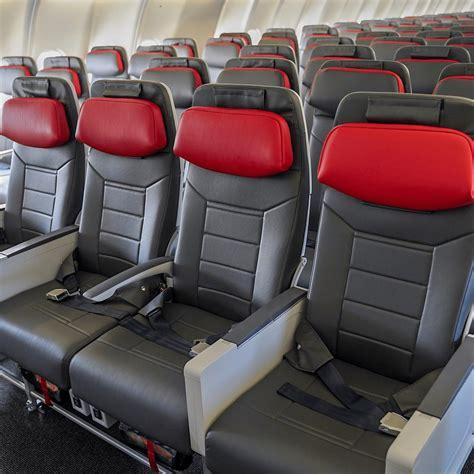
For decades, budget airlines have thrived on a simple mantra: keep it lean, keep it cheap, keep it flying. From Spirit Airlines to Ryanair, the model was clear—strip out everything unnecessary, pack in as many passengers as possible, and offer fares so low that the frills didn’t matter. But in a remarkable industry pivot, that long-standing formula is facing a quiet but profound transformation. A growing number of ultra-low-cost carriers (ULCCs) are now embracing premium seating options in a strategic shift that could redefine the economics—and the experience—of flying low-cost.
The move comes as passenger expectations evolve, airline competition intensifies, and ancillary revenues become critical to financial sustainability. What was once unthinkable in the ULCC world—larger seats, enhanced legroom, and dedicated premium cabins—is now becoming a viable, even necessary, component of future growth strategies.
JetBlue: A Blueprint for Premium Done Right
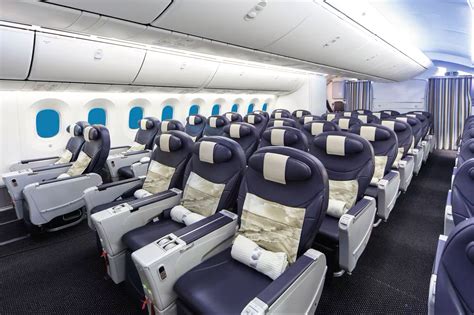
JetBlue Airways offers perhaps the most successful case study in how a low-cost structure can evolve without compromising its economic foundation. Although JetBlue avoids labeling itself a ULCC, its hybrid model allowed it to launch the Mint product—arguably the first real business-class experience on a low-cost airline. Initially deployed on transcontinental U.S. routes, Mint has expanded to transatlantic flights, now featuring enclosed suites with lie-flat seats, direct aisle access, and elevated service.
This strategic investment wasn’t just about comfort. It was aimed squarely at stealing high-paying business travelers from legacy carriers like American Airlines and Delta. And it worked. Mint helped JetBlue punch above its weight in premium-heavy markets while maintaining a competitive cost base.
Even more telling is JetBlue’s continued refinement of the concept. A redesigned Mint cabin appeared in 2021 for its London routes, and the airline has since confirmed plans to unveil a true first class product by 2026. These moves indicate a long-term belief in premium demand—even on budget-friendly platforms.
Frontier’s First-Class Gamble
Frontier Airlines, a quintessential ULCC, is also shaking up expectations. Known for rock-bottom fares, aggressive upselling, and unbundled services, Frontier surprised the industry by announcing it would introduce a first class seating option later this year. This will include upgraded front-row seats offering more space and enhanced comfort—marking a clear break from its traditional one-size-fits-all approach.
While Frontier has not revealed exact specifications or service changes accompanying these seats, the shift suggests a new willingness to diversify offerings and tap into higher-yield segments of the market. The move is especially notable in light of increasing customer pushback against cramped cabins and rising interest in low-cost comfort following the pandemic.
Southwest Airlines: A Strategic Retrofit
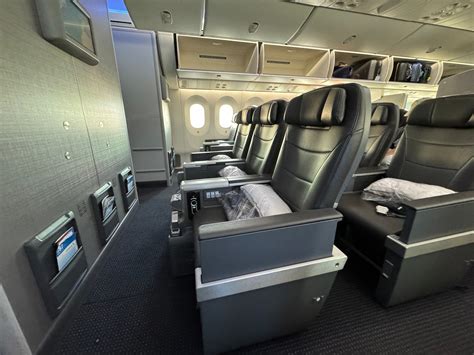
In a move that could reshape its identity, Southwest Airlines—long defined by its egalitarian, open-seating policy—plans to roll out premium seating across one-third of its fleet starting in 2026. The retrofit will involve designated premium seats, likely at the front of the cabin, paired with better amenities.
This overhaul is not just a marketing stunt. Southwest projects a $1.5 billion annual revenue boost as a direct result of the cabin upgrade. The airline is betting that a more segmented seating strategy can improve customer satisfaction while tapping into the lucrative revenue streams that traditional carriers have enjoyed for years.
Southwest’s decision is particularly significant because it challenges the very principles that made the airline famous. It signals a broader shift within the low-cost ecosystem, where the pursuit of profitability now hinges not just on efficiency, but also on enhanced passenger experience.
Allegiant Air: Measured Moves with Allegiant Extra
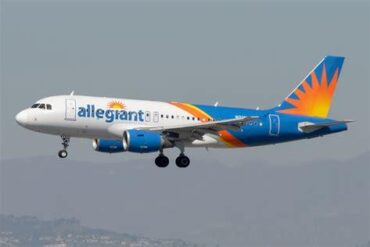
Allegiant Air, another ULCC deeply committed to cost control, is taking a more conservative route. Its Allegiant Extra product, which offers increased legroom in select rows, has performed well—so well, in fact, that by the end of 2025, 75% of its fleet is expected to include the section.
But when asked whether a more premium cabin was in the cards, CEO Greg Anderson was cautiously optimistic. “It’s in the discussions,” he noted in an interview, while warning that demand may not justify the cost and complexity of a more elaborate offering. For now, Allegiant appears content to monitor trends rather than jump headfirst into a full-fledged premium overhaul.
This hesitancy reflects a key tension within ULCC business models: premium features can attract higher-paying customers, but they also add weight, service requirements, training complexity, and longer turnaround times—all of which erode the very efficiency these airlines depend on.
Spirit Airlines and the Big Front Seat Paradox
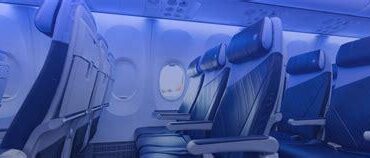
Perhaps no ULCC has experimented more visibly with premium seating than Spirit Airlines. Its Big Front Seat—a wider, recliner-style seat positioned in the front few rows—has been part of the airline’s playbook for years. Crucially, it doesn’t come with additional services or boarding privileges, preserving the single-cabin simplicity that underpins the ULCC model.
While it has proven popular with travelers seeking more comfort without breaking the bank, the Big Front Seat hasn’t fundamentally changed Spirit’s customer base or revenue model. That paradox illustrates the limits of premium within ULCC boundaries: comfort alone is not enough unless it can be paired with upselling, loyalty perks, or operational advantages.
Norwegian: When Premium Breaks the Model
The cautionary tale in this emerging trend comes from Norwegian Air Shuttle. Once the flagship of transatlantic low-cost flying, Norwegian tried to incorporate a premium economy cabin into its long-haul operations. For a time, the product was well-received—especially among budget-conscious business travelers. But it also added complexity, weight, and cost to an operation already under strain.
The gamble ultimately failed. Norwegian’s long-haul business collapsed in 2021 amid financial distress and operational inefficiencies. The demise of the premium cabin was collateral damage, a sobering reminder that not all upgrades translate to profits, especially when they clash with the DNA of a lean business model.
Passenger Expectations Are Reshaping the Budget Blueprint
One of the main drivers behind this shift is the post-pandemic transformation of consumer expectations. Travelers are increasingly willing to pay more for comfort, space, and flexibility, especially on longer routes. The rise of hybrid work and the blurred lines between business and leisure travel have also increased demand for affordable premium experiences.
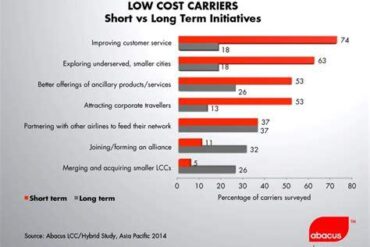
At the same time, ancillary revenue has become the lifeblood of ULCCs. Premium seating offers a new frontier for monetization—potentially yielding high-margin returns without drastically altering the ticket price or overall brand perception. For instance, by selling just a few rows of premium seats, airlines can generate meaningful profits from a small percentage of travelers.
Will the Premium Push Endure?
The long-term viability of premium seating on budget carriers will hinge on how well these products integrate with existing operational strategies. While demand is clearly present, execution is another matter. Airlines must balance innovation with efficiency, ensuring that every square foot of cabin space maximizes return without disrupting turnaround times or logistical simplicity.
Moreover, customer education plays a role. Premium options must be clearly defined, appropriately priced, and strategically marketed. Confusion or unmet expectations can damage brand trust—especially when passengers perceive themselves as being nickel-and-dimed.
Ultimately, the future of premium in budget aviation may rest on flexibility and modularity. Offering better seats without drastically changing the service model allows carriers to experiment without full commitment. Over time, data-driven refinements will help airlines identify the sweet spot between cost, comfort, and profitability.
Conclusion: A New Class Emerges in the Sky
What was once a clear line—luxury for full-service airlines, barebones for budget flyers—is beginning to blur. The rise of premium offerings on ULCCs marks a fundamental rethinking of what low-cost flying can be. If executed wisely, this shift could allow airlines to reach new customer segments, diversify revenue, and compete more effectively in a rapidly changing global travel landscape.
From JetBlue’s Mint cabins to Frontier’s upcoming first-class seats, and even Allegiant’s cautious upgrades, a new class of comfort is taking shape at 35,000 feet. Budget no longer means basic—and in the skies ahead, even the cheapest ticket may come with a touch of luxury.